REVIEW · CAPE TOWN
Nelson Mandela’s Robben Island Prison Museum Cape Town City Tour + Ferry Tickets
Book on Viator →Operated by Raw African Safaris · Bookable on Viator
Robben Island hits you in the gut, then the city explains it. This Cape Town tour pairs the Robben Island Prison Museum ferry ride with key landmarks like Bo-Kaap, the Company’s Gardens, and the Castle of Good Hope, all in one day. You also get guided time at District Six Museum, where the story behind apartheid-era forced removals becomes personal.
I especially like how the day is built to save your time. You’re picked up and dropped off, then shuttled in air-conditioned comfort between dispersed stops, with ferry transfers included so you’re not hunting logistics.
One consideration: this is a long day around 8 hours, and part of it is emotionally heavy—Robben Island and District Six can feel draining even if you came for history.
In This Review
- Key things that make this Robben Island + Cape Town day work
- A full Cape Town day built around Robben Island
- Meeting point at the Silo Hotel and how transfers keep stress low
- Robben Island Prison Museum: ferry time, then the prison story
- Bo-Kaap: colorful houses, cobblestone streets, and Cape Malay roots
- Company’s Gardens: a Dutch supply stop that shaped the city
- Castle of Good Hope: Dutch stone power and a museum inside
- District Six Museum: forced removals, told in a focused, guided way
- The Diamond Museum stop: what to expect from the included entry
- Price and value: what $171.49 includes (and what you’ll pay extra)
- The guide effect: Remmy, timely docks, and day-of calm
- Who should book this Robben Island + Cape Town combo
- Should you book this Robben Island Prison Museum + City Tour?
- FAQ
- How long is the tour?
- Is hotel pickup and drop-off included?
- Does the price include ferry tickets and admission?
- Where do the Robben Island ferry transfers depart from?
- What are the main stops besides Robben Island?
- Is lunch included?
- Is transport air-conditioned, and how big is the group?
- Can I get a refund if I cancel?
- Are service animals allowed and can most people participate?
Key things that make this Robben Island + Cape Town day work
Door-to-door pickup and drop-off helps you avoid the usual meeting-spot scramble in Cape Town
Round-trip ferry tickets are included from the Nelson Mandela Gateway at the Clock Tower
Guided Robben Island time is run by people who’ve worked on the island or lived the experience
District Six Museum entry is included, so you don’t waste time lining up or deciding on the spot
Air-conditioned transport connects central neighborhoods and landmarks efficiently
Small group size (max 8 travelers) usually means a more manageable pace and less waiting
A full Cape Town day built around Robben Island
If you want one “big day” that actually teaches you something, this tour is a solid way to do it. It’s not just a ferry ride and a drive-by viewpoint. You’re timed for the ferry, then guided through major Cape Town sites that connect to the broader apartheid story.
The core idea is smart: Robben Island is the emotional anchor, and the rest of the day fills in the context around it—Cape Malay culture in Bo-Kaap, colonial-era power at the Castle of Good Hope, and the human cost of forced removals at District Six Museum. You’re also given transport that keeps you moving between neighborhoods without piecing together multiple rides.
The day starts at 8:30 am and runs about 8 hours, which is about right for a plan that includes a ferry, multiple admissions, and enough time to feel like you did more than “check boxes.”
A few more Cape Town tours and experiences worth a look


Meeting point at the Silo Hotel and how transfers keep stress low
Your tour starts at the Silo Hotel (Silo Square) at the Victoria & Alfred Waterfront area. That matters because the ferry logistics are tied to that zone, and it’s easier to orient yourself when the whole day is centered around the waterfront.
Hotel pickup and drop-off are included after the tour. In practice, this is one of the biggest value points for visitors who don’t want to spend vacation energy figuring out where to meet and how to get there with timing pressure. The tour also uses an air-conditioned vehicle, which is a real plus on hot or windy Cape Town days.
The operator lists a maximum group size of 8 travelers, which usually helps with crowd control—less time waiting for people to check in, and a tighter schedule between stops. You also get bottled water, which is a small thing that can make a long day feel easier.
Robben Island Prison Museum: ferry time, then the prison story
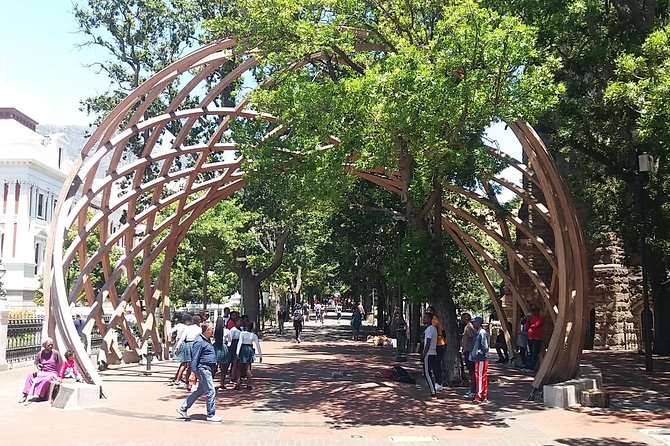
Robben Island is the reason most people do this day, and the structure here helps you experience it without logistical headaches.
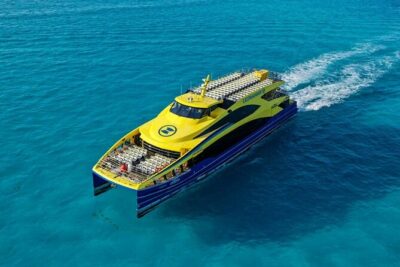
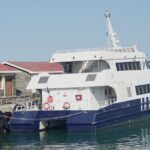
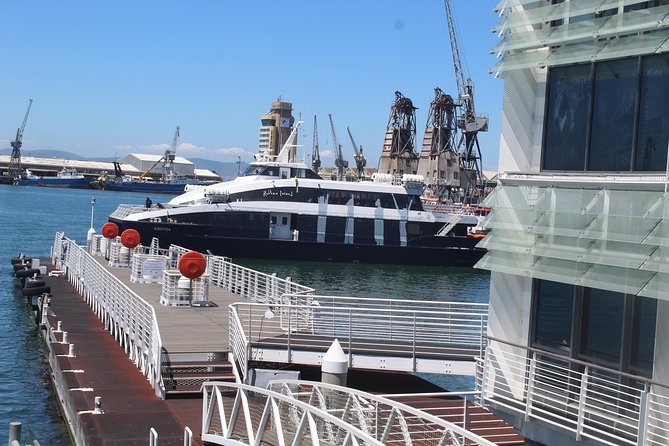
After hotel pickup, you’re driven to the V&A Waterfront to board the ferry. Tickets are included for the round-trip crossing from the Nelson Mandela Gateway at the Clock Tower. The ride itself gives you a break before you step into the prison museum setting—then you’re ready to absorb what comes next.
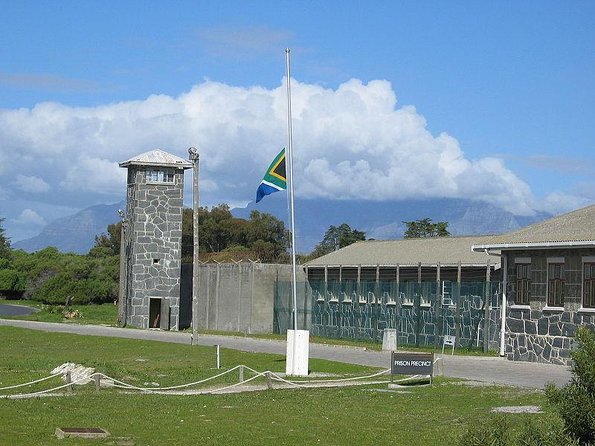
Here’s what you’ll get at the island museum: a guided tour centered on Nelson Mandela’s time in prison. The information provided emphasizes that Mandela spent 18 of his 27 years incarcerated here. You’ll learn how the island also had earlier roles, including being used as a leper colony, and how it became a place of isolation and imprisonment. The tour is described as historical, emotional, educational, and informative, and it’s conducted either by ex-prison warders or ex-prisoners. That format matters because it usually turns dates and facts into lived reality.
Time-wise, the island stop is listed as about 4 hours with admission included. That’s long enough to feel like you truly walked the grounds and saw the context, not just popped into a room for quick photos.
One practical note: lunch isn’t included on the itinerary details you provided, so after the ferry return you should expect the tour to handle timing, but plan for your own food decision. (The tour summary notes lunch is not included as a listed item, so don’t count on being fed.)
Bo-Kaap: colorful houses, cobblestone streets, and Cape Malay roots
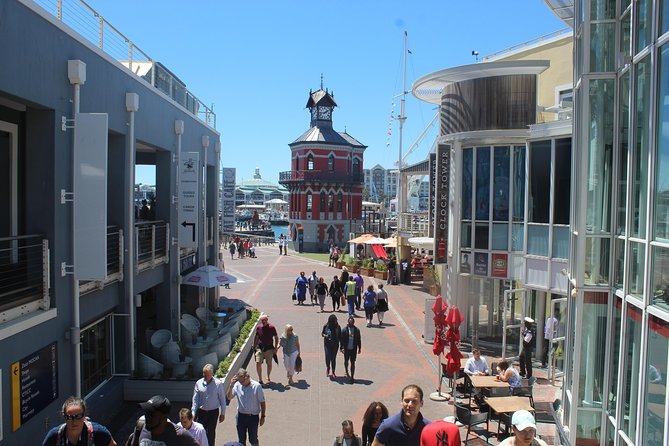
After Robben Island, the tour shifts gears—still historically grounded, but lighter in tone.
The next stop is Bo-Kaap, also spelled Bo-Kaap / Bo Kaap and described as the Cape Malay Quarter. You’ll see the famous brightly colored houses and cobblestoned streets, and you’ll learn what the neighborhood means: a multicultural community with a predominantly Muslim population. The name “Malay” is explained through the history of enslaved people imported from Malaysia, Indonesia, and other parts of Africa, which helped shape local culture.
There’s about 1 hour allocated here, and the admission is listed as included. Bo-Kaap is one of those places where a short guided time can still be worth it, because the story gives you a lens. Without that context, it can feel like scenery. With it, you get a sense of why the colors and community matter.
If you’re photographing, wear shoes that work on uneven ground. Cobblestones can be slippery, and you’ll likely stand and move around more than you expect in an area built on slopes and old street layouts.
Company’s Gardens: a Dutch supply stop that shaped the city
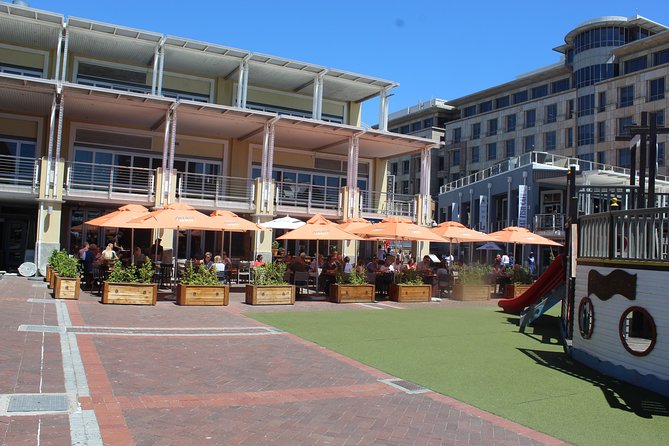
The Company’s Gardens stop is listed as free entry and gives you a break from museums. Still, it isn’t just a pretty park—this place is tied directly to how Cape Town functioned for sailors and trade.
The gardens were originally created in the 1650s by the Dutch East India Company, described as a purposeful supply station for fresh produce and water. Ships rounding the tip of Africa could stop after months at sea to stock up before continuing onward.
Even if you’re not a “garden person,” this stop can be a useful change of pace after Robben Island. It also helps you understand Cape Town as a working port city, not just a scenic backdrop. The included time is about 1 hour, which is enough to wander at a comfortable pace and take in memorials, statues, and monuments mentioned in the tour description.



Castle of Good Hope: Dutch stone power and a museum inside
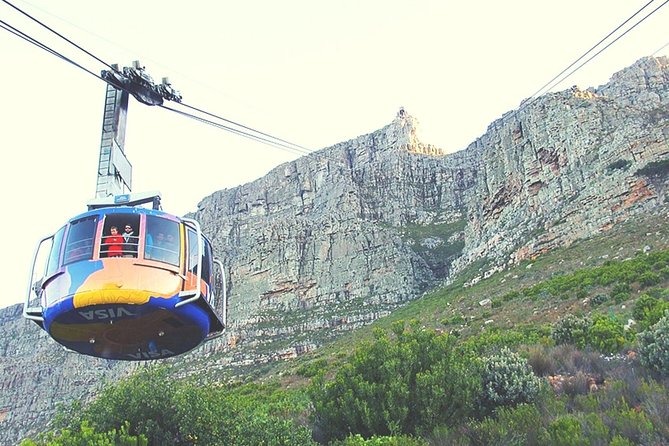
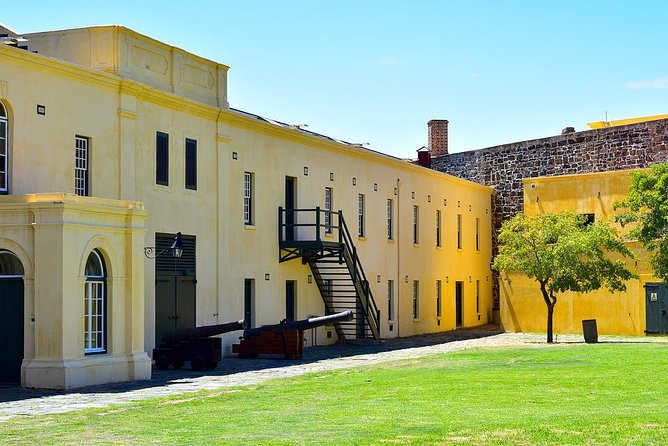
Next comes the Castle of Good Hope, described as the oldest standing colonial building in South Africa. It was built by the Dutch between 1666 and 1679, and it functioned as a center for civilian, political, religious, and military life from around 1679.
This stop can feel like a detour on paper, but it’s actually a helpful bridge. If Robben Island shows you punishment and resistance, the Castle shows you how colonial power organized itself in physical form. The tour description also notes the Castle has among the best-preserved examples of Dutch East India Company architecture.
You’ll likely also encounter museum content inside, with the tour listing the William Fehr Collection, a permanent ceramic exhibition (called FIRED), and a Castle military museum. The allocated time is about 1 hour, and admission is included.
A small consideration: since this is a working museum building, it may have the kind of indoor/outdoor mix where you’ll want a light layer. Cape Town weather can change quickly, even when the day looks clear in the morning.
District Six Museum: forced removals, told in a focused, guided way
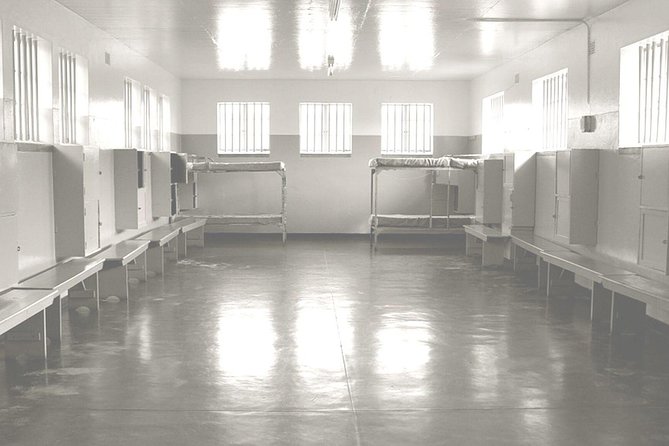
District Six Museum is the emotional landing zone for the day’s final theme: how apartheid policies displaced real communities.
The tour takes you to the museum in the former inner-city residential area of Cape Town. You’ll learn that District Six became the home of about 60,000 multicultural inhabitants, and that the museum was established in 1994 as a memorial to the forced removals that began in 1968, after an apartheid government declaration in 1966.
This is described as an emotional guided tour led by a registered guide. The admission is listed as included, and the time allocation is about 1 hour. For me, the best part of including District Six on the same day as Robben Island is the cause-and-effect link it creates. You’re not just hearing about prison. You’re seeing how apartheid worked across society, including neighborhoods and everyday life.
If you’re sensitive to heavy topics, pace yourself here. It’s okay to step back for air, read slowly, and absorb only what your body can handle that day.
The Diamond Museum stop: what to expect from the included entry
The inclusions list notes entry fees to a Diamond Museum. The specific stop timing and exact content aren’t spelled out in the details you provided, so I’d treat it as a short add-on that’s meant to round out the city overview.
This kind of stop can be useful for some travelers and not for others. If you’re drawn to crafts, trade history, or South African industry stories, it may feel worthwhile. If you’re more museum-focused on politics and cultural sites, you might treat it as extra time rather than the main event.
Either way, the fact that entry fees are included can help you avoid last-minute pay decisions while the schedule keeps moving.
Price and value: what $171.49 includes (and what you’ll pay extra)
The price is listed as $171.49 per person, and the tour runs around 8 hours. To judge value, look at what you don’t have to arrange yourself:
- Hotel pickup and drop-off
- Round-trip ferry tickets to Robben Island
- Admission to Robben Island and multiple city sites, including District Six Museum and Castle of Good Hope
- Air-conditioned transport between stops
- Bottled water
- Entry fees to the Diamond Museum (and admissions noted for Bo-Kaap)
What’s not included is lunch and drinks. So you should budget for at least one meal that day. This matters because a day that’s full of admissions can otherwise make your spending feel invisible until you reach the first food stop.
One more timing/value point: the tour is listed as commonly booked about 82 days in advance on average. That suggests demand is real for a day combining Robben Island with city landmarks. If you want a specific date, it’s smart to lock it in early.
The guide effect: Remmy, timely docks, and day-of calm
Good tours rise or fall on how they handle real-world timing. In the feedback you shared, the name Remmy comes up repeatedly, along with praise for being careful about arrival and processing at the docks for Robben Island. That’s the part you cannot afford to get wrong, because the ferry day operates on a schedule and you don’t want a scramble at check-in.
The same feedback also points to drivers helping keep you on track, including a named driver Kuda. Small details like that matter more than people think. A day with multiple admissions is only pleasant if transitions are handled well.
There’s also an honest reminder that mistakes can happen—at least one booking issue was mentioned where nobody met the group at the pickup rendezvous. The important part is how quickly the issue was handled once it was noticed. For you, the takeaway is simple: keep your confirmation handy, double-check your pickup details, and treat the first contact moment as your anchor if anything feels off.
Who should book this Robben Island + Cape Town combo
This tour is a great fit if you want:
- One-day structure that connects Robben Island to the city’s broader apartheid story
- Built-in ferry logistics from the V&A waterfront area
- Museum stops that include District Six Museum and major landmark sites
- A small group day that avoids big-bus chaos
It may be less ideal if you prefer a slower pace with fewer guided museums, or if you don’t want your vacation day to include heavy themes. Robben Island and District Six are profound. Even when the guides do a great job, your brain may feel tired afterward.
Should you book this Robben Island Prison Museum + City Tour?
I’d book it if you want the convenience of pickup, ferry tickets, and admissions bundled together, and you’re okay with a full day that’s part sightseeing and part serious learning. The route makes sense: Robben Island sets the emotional tone, then the city sites help you understand how the apartheid system reached into neighborhoods and institutions.
Skip this one only if you’d rather experience Cape Town at your own pace, or if you’re not prepared for two museum stops that can feel heavy. If that’s you, consider splitting the day—one for Robben Island, another for lighter landmarks on a separate visit.
FAQ
How long is the tour?
The tour is approximately 8 hours.
Is hotel pickup and drop-off included?
Yes. You get hotel pickup and drop-off after the tour.
Does the price include ferry tickets and admission?
Yes. The package includes return ferry tickets to Robben Island, plus entry fees for District Six Museum and the Castle of Good Hope, and admission is included for Robben Island.
Where do the Robben Island ferry transfers depart from?
The return ticket to Robben Island by boat is from the Nelson Mandela Gateway at the Clock Tower.
What are the main stops besides Robben Island?
The tour includes Bo-Kaap, the Company’s Gardens, the Castle of Good Hope, and the District Six Museum. Entry fees for a Diamond Museum are also listed as included.
Is lunch included?
No. Lunch is not included, and drinks are also not included.
Is transport air-conditioned, and how big is the group?
Yes, the tour uses an air-conditioned vehicle. The group has a maximum of 8 travelers.
Can I get a refund if I cancel?
The tour offers free cancellation. You can cancel up to 24 hours before the experience starts for a full refund.
Are service animals allowed and can most people participate?
Service animals are allowed, and most travelers can participate.