REVIEW · CAPE TOWN
Cape Town-Robben Island Ferry Ticket and Guided Prison Tour
Book on GetYourGuide →Operated by Kono Tours · Bookable on GetYourGuide
A prison visit inside Mandela’s story hits fast. This guided Robben Island trip blends Cape Town ferry views with a real maximum-security walkthrough, guided by someone who lived the Apartheid system.
Two things I really like: you get a scenic crossing out of the V&A Waterfront, and you step into the actual cell where Mandela was held for 18 of his 27 years. The one drawback to plan around is that the ferry can be canceled or delayed when weather turns, and then you may need to handle the waterfront on your own for any rescheduled sailing.
What makes this tour stand out is the guide. A former political prisoner shares firsthand details about daily life behind bars, and the route doesn’t stop at dramatic moments—it includes the quarry area tied to the forced labor where Mandela and others worked. That personal, on-the-ground perspective is what makes the history feel specific, not just studied.
In This Review
- Key things to know before you go
- Ferry to Robben Island: Cape Town views first, then reality
- The island bus tour: multiple layers, not one simple story
- Inside the maximum-security prison: where Mandela’s time becomes concrete
- The quarry stop: forced labor you can actually see
- Hearing the story from a former political prisoner
- Timing and the penguin question: wildlife exists, but time is finite
- Price and value: what $87 buys (and what it can’t)
- Pickup, return, and that last-mile reality at the waterfront
- Should you book this Robben Island tour with Kono Tours?
- FAQ
- How long is the Cape Town–Robben Island ferry and prison tour?
- What is included in the price?
- Where do I get picked up, and is hotel drop-off included?
- What should I bring for the tour?
- Is the tour wheelchair accessible?
- What happens if the ferry is canceled due to weather?
Key things to know before you go
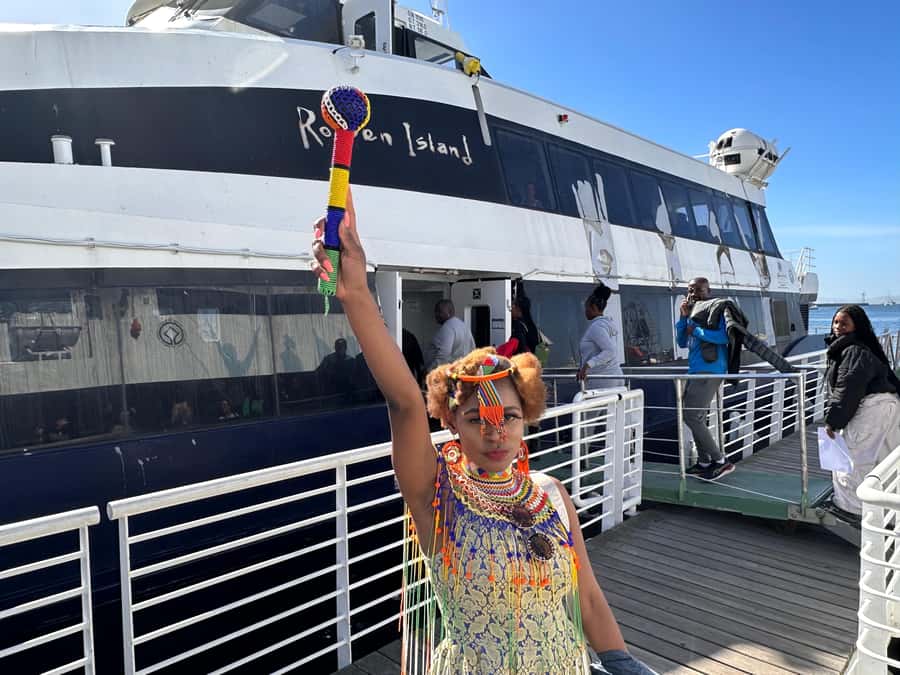
- The ferry ride is your warm-up: you’ll get clear views back toward Cape Town while the day shifts from “vacation” to “history lesson.”
- Hotel pickup is CBD-only: you’re collected from within Cape Town City Centre, then transferred to the Nelson Mandela Gateway at the V&A Waterfront.
- You’ll tour by bus, then walk: expect a mix of guided bus touring on the island and time inside the prison spaces.
- The Mandela cell and quarry are the core stops: they anchor the story in places you can physically stand in.
- Hearing can be tricky in a big group: on windy decks and crowded sections, you may want to position yourself for better sound.
Ferry to Robben Island: Cape Town views first, then reality

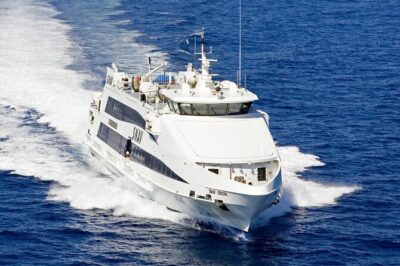
Your day starts with a shared transfer from your hotel in Cape Town CBD to the Nelson Mandela Gateway at the V&A Waterfront. From there, you board the ferry for the crossing across Table Bay. It’s usually timed at around 45 minutes, and during that stretch the experience is still light enough to take in the coastline before the mood shifts.
I like this order. When you first see Cape Town from the water, it’s easier to grasp the prison’s isolation—an island you reach only by boat, far from the mainland’s rhythms. When you’re ready to “get it,” the geography helps. You can look back at the city, then think about how that separation shaped punishment and politics.
Bring practical gear for the water ride. The island is known for wind, and the tour info is clear that you should pack a windbreaker and comfortable shoes. That isn’t travel fluff. If you’re cold and unsteady, you lose patience fast on a tour that requires real attention.
A few more Cape Town tours and experiences worth a look


The island bus tour: multiple layers, not one simple story
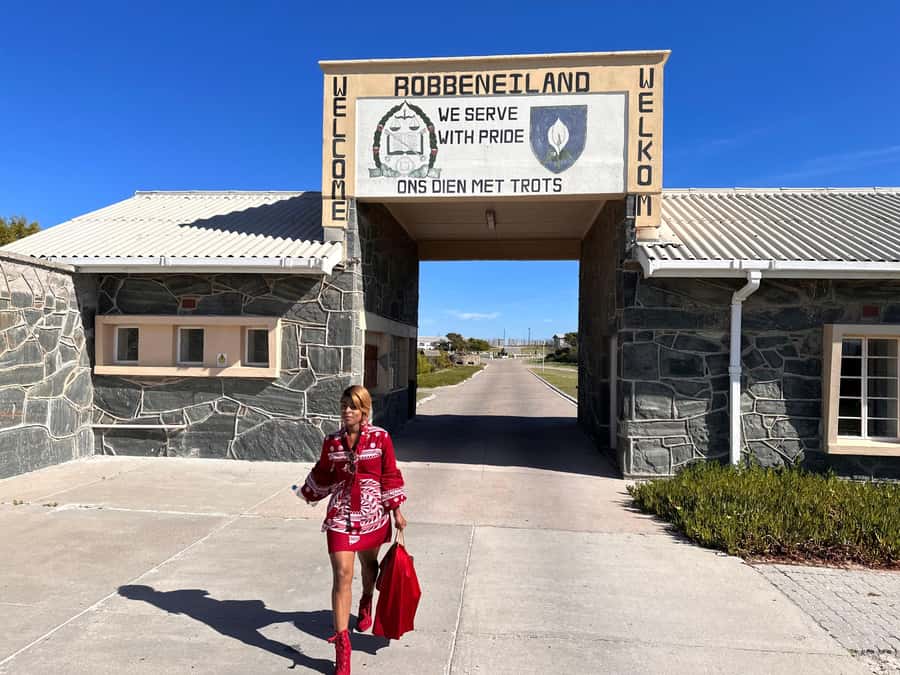
Once you land, you’ll join a guided island tour by bus. This is where the day earns its structure. You’re not only sent straight to the prison cells—you get the island’s broader history first, from earlier uses of the island through its later role during Apartheid.
A key point: this bus segment helps you connect cause and effect. You see how places evolve into tools of control. The island has been used in different periods for different forms of confinement, and the guide’s job is to connect those dots so the prison era doesn’t feel like an isolated exhibit.
In some runs, you may also encounter extra media content before landing—one operator version includes a short video component that sets context. Even if you don’t get that, you’ll still be moving through the island’s timeline with a bus guide who keeps the big picture organized.
Inside the maximum-security prison: where Mandela’s time becomes concrete
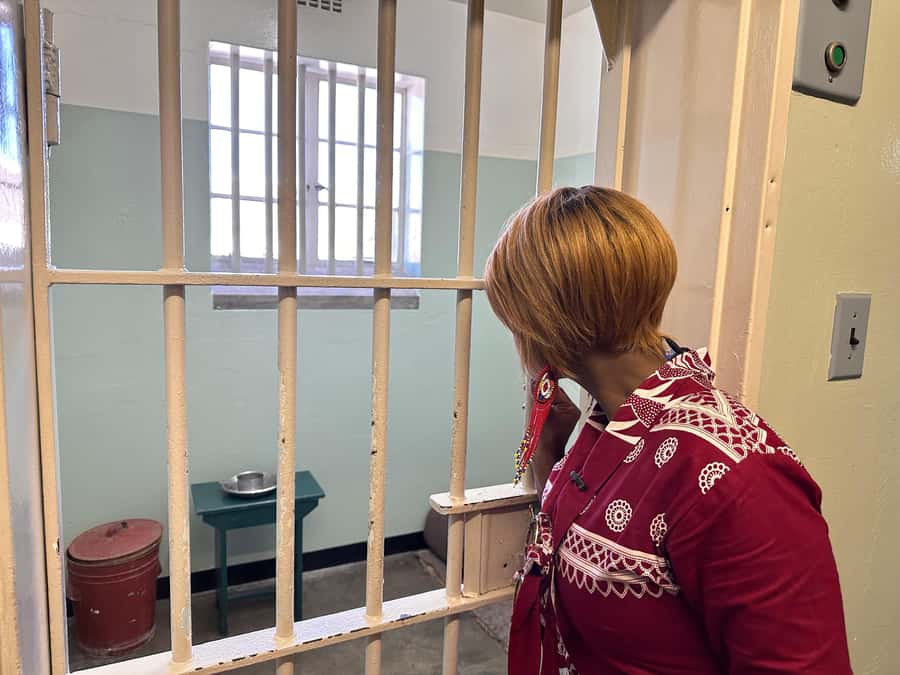
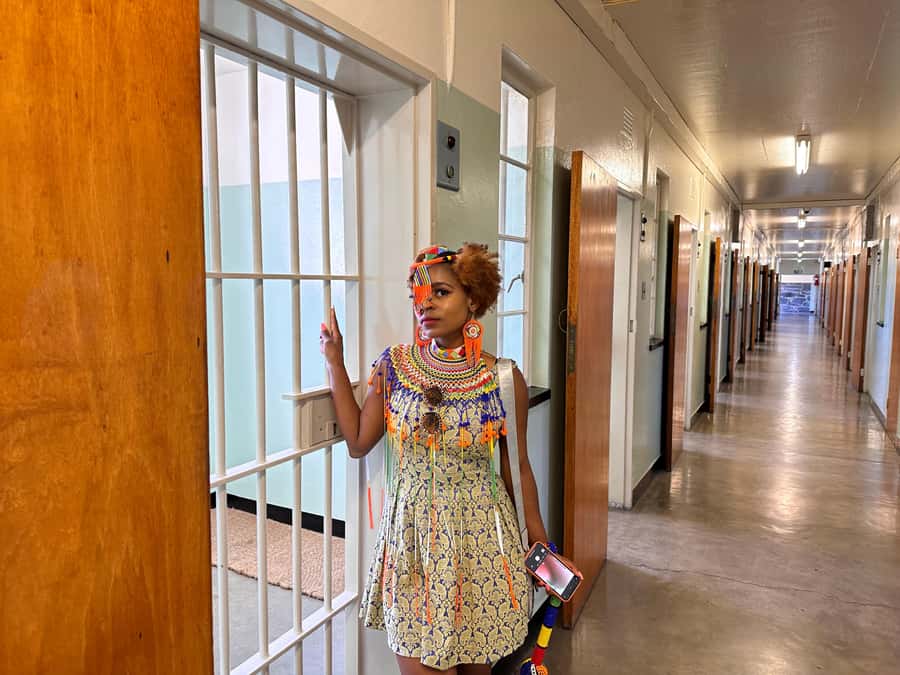
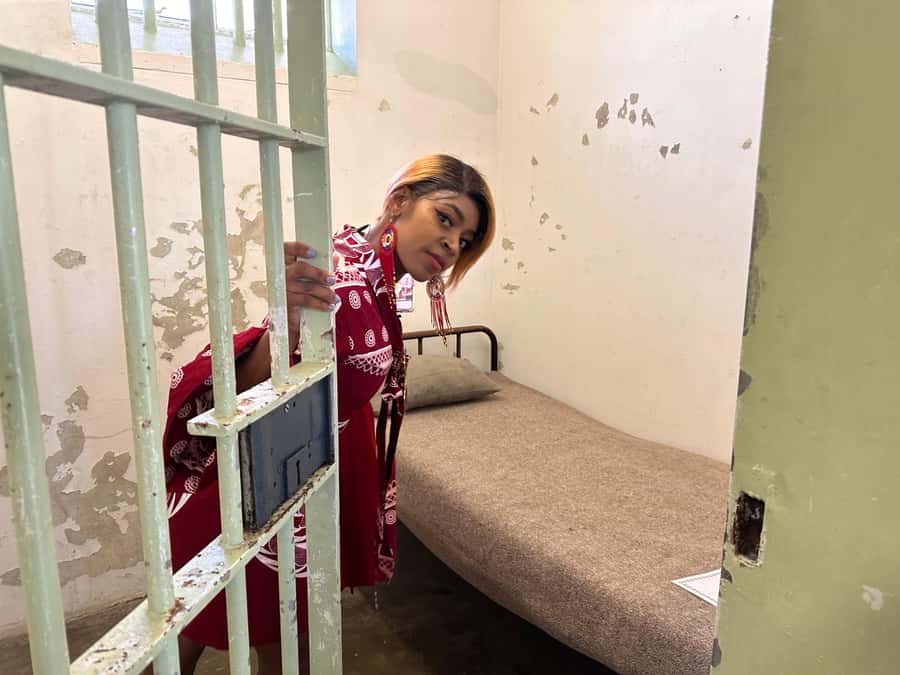
The most intense part of the experience is the prison visit. This is where you step into the maximum-security prison area and visit the cell where Mandela was held. Standing in that space is different from reading about it. The rooms are small. The walls and layout make the concept of confinement feel physical.
I also like that the tour doesn’t treat prison life like a museum scene. It’s framed around the daily reality of punishment and political resistance. You’re there to understand how the system worked, not just to photograph something famous.
One practical reality: these are walking-and-standing sections in a working prison setting. If you’re sensitive to noise or you struggle to hear in groups, position matters. There’s a clear pattern in the experience: it gets harder to pick up details when the group is large or the wind is active. You’ll get more out of it if you stay near the front when possible and don’t rely on background chatter.
The quarry stop: forced labor you can actually see

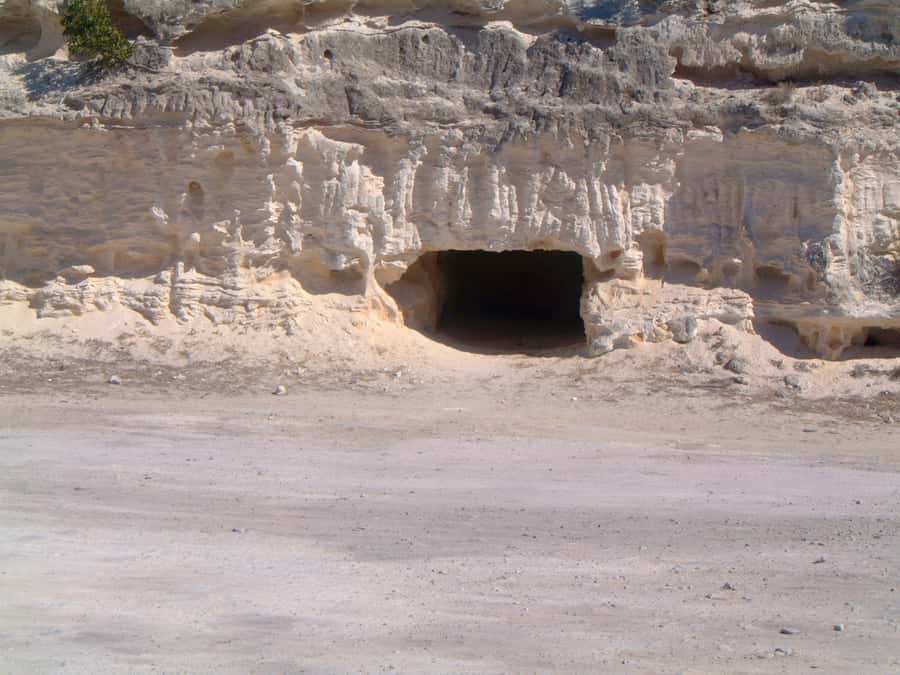
After the prison-focused sections, the tour moves to the limestone quarry area. This is a defining stop because it links politics to work. The route includes the place where Mandela and other inmates toiled as part of forced labor, which changes how you think about imprisonment.
Instead of only imagining beatings, bars, and cells, you’re reminded of the long, grinding side of oppression: time spent hauling and working under a system designed to break bodies and spirits. Seeing the quarry setting gives you a sense of why the story emphasizes endurance, not just moments of protest.
This is also where a former political prisoner guide shines. When your guide can explain what it was like to go to work inside a confined world, the story stops being abstract. It becomes routine—difficult, unfair routine. That’s the moment where the tour earns its emotional weight.
Hearing the story from a former political prisoner
What you’re paying for here is not only entry and logistics. You’re paying for lived testimony. The tour is led by a former political prisoner, and that changes the tone. You’ll hear details about life behind bars during Apartheid and about how political resistance and imprisonment intertwined.
I love how this kind of guide corrects easy myths. Prison history is full of simplified versions—good versus bad, hero versus villain, end versus beginning. A first-person account forces nuance without turning the story into a lecture. It helps you notice how systems rely on rules, routine, and isolation, not just dramatic cruelty.
There’s also a timing benefit. The tour format gives you time to explore prison stations and ask questions. That’s important because this subject raises personal curiosity: How did people communicate? What were days like? What did it feel like to carry hope inside a machine built to extinguish it? If you’re the kind of person who asks questions while other people just walk, this tour will reward you.
One thing to plan around: groups can be big. One of the more practical tips I’d give is to set your expectations. If you find it hard to hear at any point, don’t blame the message. Just shift your position and focus on what the guide is emphasizing.
You can also read our reviews of more guided tours in Cape Town
Timing and the penguin question: wildlife exists, but time is finite
Robben Island is also a wildlife stop. If penguins are on your personal checklist, you should know that the tour’s priority is history and prison sites. There may be moments for photos and sightseeing, but you won’t have a full free-roam wildlife experience.
That’s not a negative—it’s just the trade-off. This is a guided “Mandela and Apartheid” day, not a wildlife safari. If you want both, plan your expectations carefully. Quick looks are realistic; long lingering might not be.
If you do care about wildlife, wear your shoes and keep moving. You’ll be able to catch what’s in season, but you’ll get more value by focusing on what the guide points out rather than trying to sprint off-script.
Price and value: what $87 buys (and what it can’t)
The listed price is about $87 per person for roughly a 4-hour outing. In return, you get hotel pickup within Cape Town CBD, the ferry ticket, and guided touring of the island and prison with a former political prisoner. You’re not coordinating anything beyond being ready at your pickup spot.
Is it expensive? For many visitors, yes, because it’s an emotional topic and you’re paying for a guided, capped experience. But the value isn’t only the boat ticket. The heavy lift is the guide format: prison navigation, interpretation, and first-person testimony. That’s hard to replicate on your own.
Still, here’s the fair consideration. If you compare only ferry ticket pricing at the official level, it can look like you’re paying a premium for “the same boat.” The difference is the guided content and the structured route. If that part matters to you, the price starts to make sense. If you prefer self-paced exploration and only want entrance access, you might want to check other ways of booking entry before committing.
My practical advice: book with the assumption you’ll want the guide’s pacing and context. This isn’t the kind of place where you’ll automatically know what to look at without narration.
Pickup, return, and that last-mile reality at the waterfront
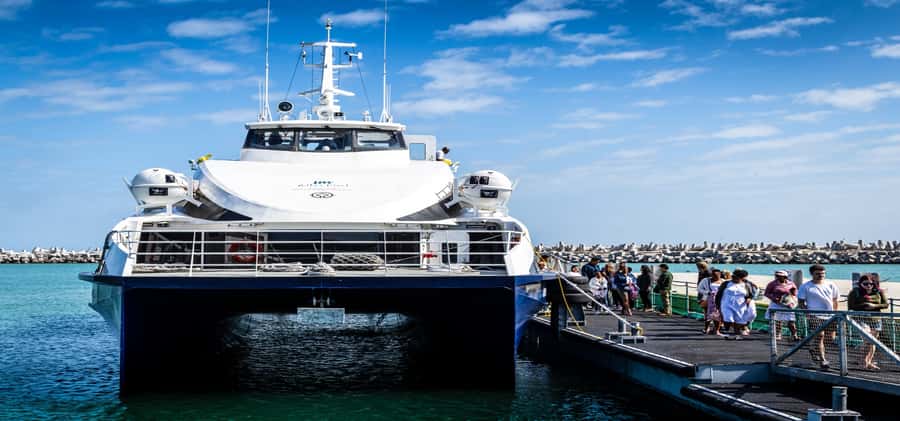
The tour includes pickup from your hotel within Cape Town CBD and then return by ferry back to the V&A Waterfront. Drop-off at your hotel is not included, which means you’ll be on your own after returning to the harbor area.
From a logistics standpoint, be ready in reception and be flexible about timing. The pickup is scheduled from the city centre, and sometimes operators manage departures based on real-world movement between hotels and ferry boarding. If your hotel is close to the pickup zone, you might get instructions that don’t feel like a standard “wait at the curb” situation. I’d rather you show up early at reception than chase details later.
Also, keep your phone number handy for day-of contact. The tour info says the provider may call shortly before the tour. That matters for a smooth start—especially if there are weather variables.
Should you book this Robben Island tour with Kono Tours?
Book it if you want the Mandela prison experience with a former prisoner guide and you care about understanding Apartheid through real testimony. You’ll get the cell visit, the quarry stop, and the island timeline in one tight day, plus the ferry route from the V&A Waterfront that makes the island feel physically separated from the mainland.
Consider another approach if you:
- prefer maximum free time on your own schedule
- want to focus mainly on wildlife rather than prison history
- dislike tours where hearing details can be difficult in groups
If you do book, plan for wind and possible ferry disruption. Wear shoes you can stand/walk in comfortably, and keep one buffer day if your Cape Town schedule is tight.
FAQ
How long is the Cape Town–Robben Island ferry and prison tour?
The total duration is listed as 4 hours.
What is included in the price?
The package includes hotel pickup within Cape Town CBD only, the ferry ticket to Robben Island, and guided island and prison touring with a former prisoner guide.
Where do I get picked up, and is hotel drop-off included?
Pickup is included only within Cape Town CBD (from your hotel in the city centre area). Hotel drop-off is not included after the tour; you return to the V&A Waterfront area.
What should I bring for the tour?
You should bring a passport or ID card, comfortable shoes, and a windbreaker.
Is the tour wheelchair accessible?
Yes, it’s listed as wheelchair accessible.
What happens if the ferry is canceled due to weather?
The ferry is subject to weather and sometimes trips get canceled. If that happens, you can reschedule at the Robben Island ticket counter (subject to availability), or request a refund to GetYourGuide. For rescheduled tickets, you’ll need to make your own way to the waterfront.