REVIEW · CAPE TOWN
Ferry Tour to Robben Island Museum with One Way Hotel Transfer
Book on Viator →Operated by Giraffe Horizons · Bookable on Viator
Robben Island hits hard, in the best way. This tour pairs a scenic ferry with a guided museum day that explains apartheid, the freedom struggle, and why resilience mattered. I especially like the former political prisoner element, because personal stories land differently than any textbook. One drawback: ticket redemption at the dock can be slow, so build a little extra time before you’re ready to board.
The big picture is that you’re not just visiting a site. You’re getting a structured visit to the places where political prisoners lived and worked, including the limestone quarry and Nelson Mandela’s cell. That mix of ferry ride views, museum bus touring, and then the maximum-security prison visit keeps the day moving without feeling rushed.
Still, this isn’t a casual stroll. It’s emotional, it depends on good weather, and you’ll want to be mentally ready for what you’ll hear and see—especially if you prefer lighter history when you travel.
In This Review
- Key things to know before you go
- Ferry ride from V&A Waterfront: the calm before the history
- Getting oriented at the Nelson Mandela Gateway
- Robben Island Museum bus tour: seeing the island like a timeline
- Maximum-security prison tour: where the guide’s stories do the heavy lifting
- Mandela’s cell and the island walk: the quiet part you shouldn’t skip
- How long the day really takes (and how to plan around it)
- Price and value: what $82.32 buys you in the real world
- Group size, pacing, and who this tour suits best
- The one “gotcha”: tickets can be hard to secure
- Weather and schedule reality: plan for flexibility
- Should you book the Ferry Tour to Robben Island Museum?
- FAQ
- What’s included in the Robben Island tour?
- How long does the tour take?
- Where do I meet for the tour?
- Is hotel pickup or drop-off included?
- How long is the ferry ride?
- What are the main parts of the Robben Island visit?
- What happens if the weather is poor?
- Can I cancel for free?
- Are service animals allowed?
Key things to know before you go
- Ferry from V&A Waterfront: A 30–45 minute ride each way with Cape Town and Table Mountain views
- Robben Island UNESCO site: A guided look at the places tied to apartheid-era imprisonment
- Former political prisoner-guided experience: Personal stories make the history feel real
- Maximum-security prison tour: Often the emotional highlight, with an inside view of confinement
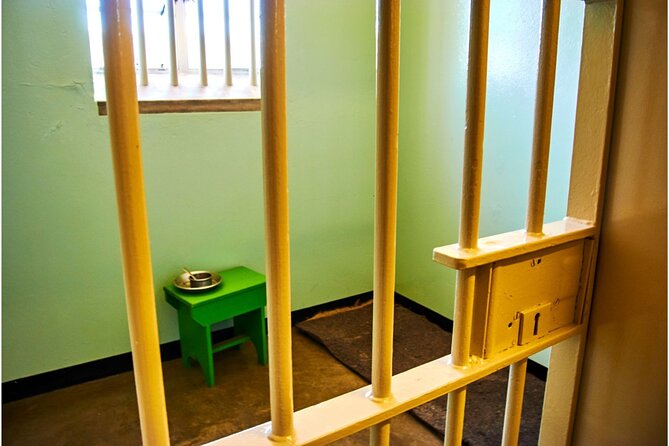
- Mandela’s cell visit: A 30-minute stop focused on his 18 years of imprisonment
- Small group size: Maximum 20 travelers, which helps the guide manage the group
Ferry ride from V&A Waterfront: the calm before the history
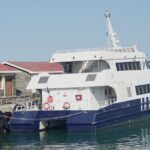
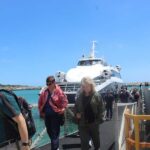
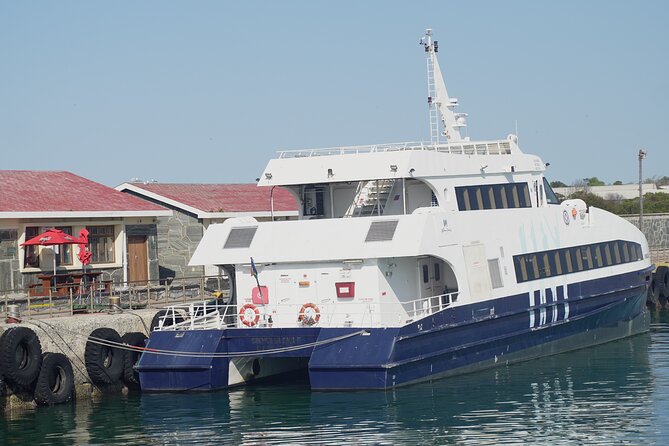
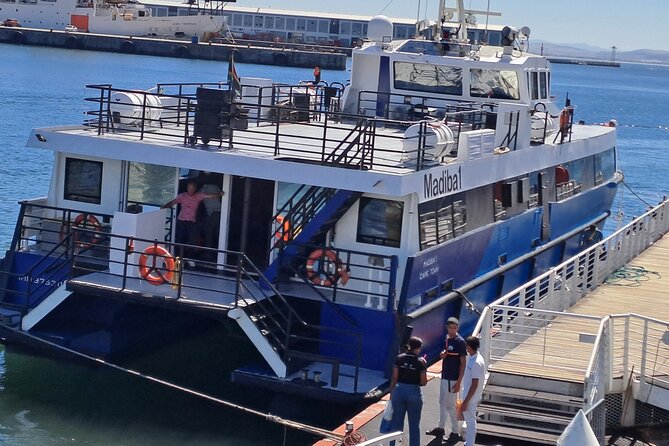
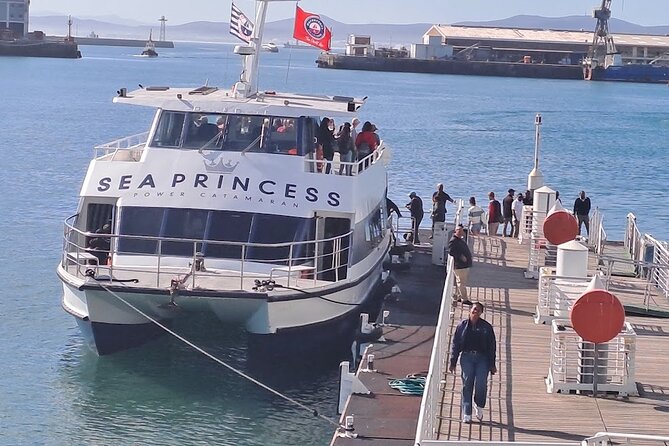
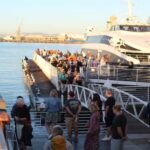
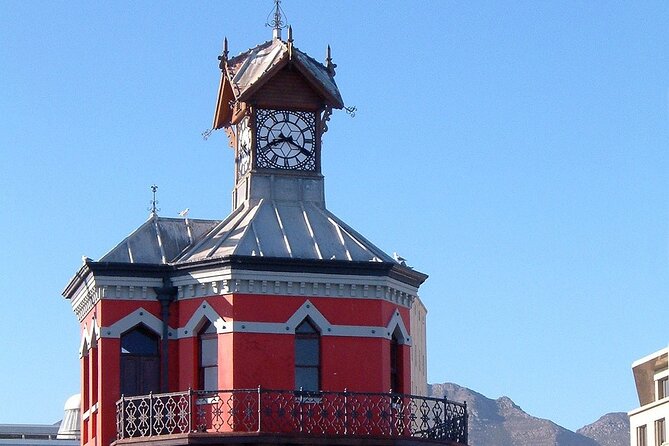
Your day starts at the Nelson Mandela Gateway to Robben Island at the V&A Waterfront. Before you even step onto the island, you get that “we’re going somewhere important” feeling from the water itself. The ferry ride is about 30–45 minutes each way, and it’s long enough to settle in and actually enjoy the scenery. You’ll be looking out over the Cape Town coastline with Table Mountain in the background, which helps the day open with breath-before-breath focus.
I like this part because it changes your pace. You’re leaving the city bustle behind, and the water gives your brain time to shift from vacation mode into learning mode. If you’re a photo person, you’ll naturally want to take a few pictures here. If you’re not, it’s still a good reset moment before the stories get heavy.
A small practical note: once you land, your time is scheduled. Keep your group together during transfers and don’t let the ferry-view moment run long. The day is built around specific guided segments.
You can also read our reviews of more museum experiences in Cape Town


Getting oriented at the Nelson Mandela Gateway
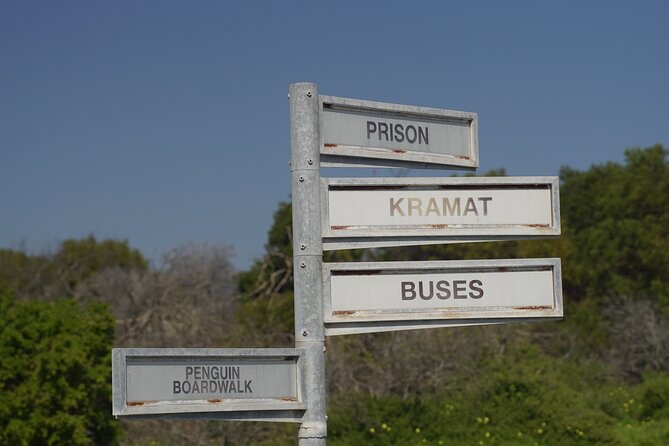
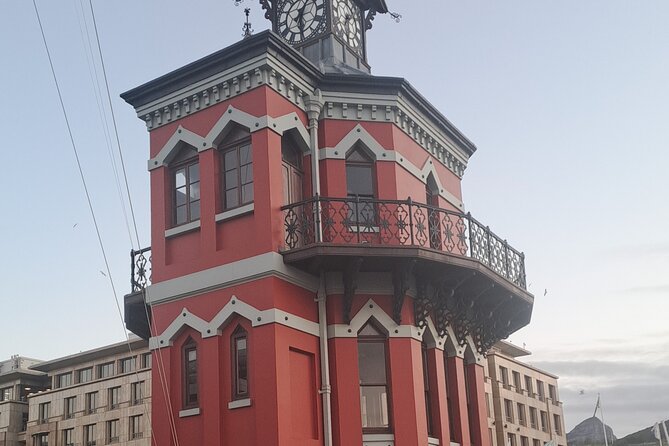
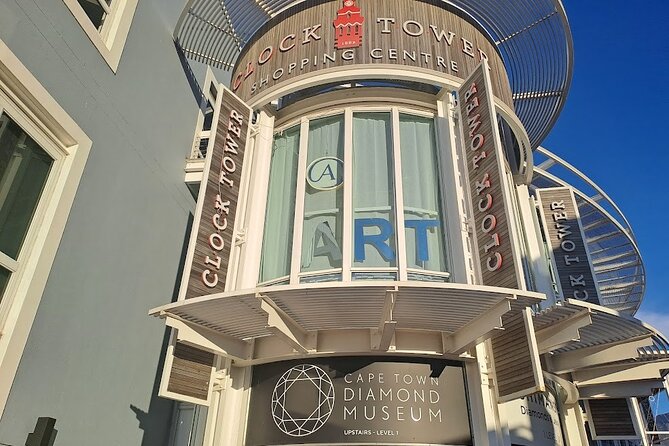
The meeting point matters more than people expect. This tour starts and ends back at the same location, which is convenient if you’re staying around the V&A Waterfront area. The exact place is the Nelson Mandela Gateway, and you’ll also redeem tickets there.
One more detail that’s worth knowing: hotel pickup and drop-off aren’t included. That means you’ll either self-transfer to the gateway or use your own plan for getting there. If you booked the included transfer option through a partner, great—just don’t assume the tour itself will automatically pick you up.
Also, if you’re a South African national, you’ll need to provide an identification card with the 13 card number. That’s not a detail to ignore; it can affect your ability to participate.
Finally, keep an eye on the weather. The experience requires good weather, and if it gets canceled because of poor conditions, you’ll be offered a different date or a full refund.
Robben Island Museum bus tour: seeing the island like a timeline
Once you arrive, you jump into a guided bus tour around the island. This museum segment is about 1 hour, and the structure is the key. Instead of scattered stops, you get a guided route to the big, connected sites tied to imprisonment and forced labor.
One of the most important stops is the limestone quarry, where political prisoners (including Nelson Mandela) were forced to work. The quarry isn’t just a location on a map. It’s a window into how apartheid punishment functioned day-to-day—work, control, and survival under brutal conditions. Hearing how that place was used helps the rest of the tour make more sense, especially once you move into the maximum-security prison area later.
I like that the tour starts with this bus portion because it builds context fast. When you later see prison structures, it doesn’t feel random. You’re better prepared to understand what you’re looking at and why it mattered.
Drawback to consider: you’ll be listening for a full hour on the move. If your attention is easily lost when you’re not walking around, you might want to take brief notes or plan to re-focus at each stop. The audio and pacing are part of the design, so arriving alert helps.
Maximum-security prison tour: where the guide’s stories do the heavy lifting
This is often the part people remember. The prison tour is another 1 hour and includes a visit to the maximum-security prison, where anti-apartheid activists were imprisoned. What makes this segment unusually powerful is the way it’s commonly led: the guide is often a former political prisoner, sharing personal stories rather than just delivering a lecture.
That changes the whole tone. You’re not only learning what happened—you’re hearing what it felt like, how it was experienced, and how confinement shaped daily life. The result is that the history lands with weight. It’s the kind of information that stays longer because it has a human voice behind it.
You should also know that this portion of the day is likely the most intense emotionally. Even if you already know a lot about South Africa’s apartheid history, the prison setting makes it harder to keep distance. Plan for a mental on-ramp: stay present during the prison tour, and don’t try to multitask with phone scrolling.
A small planning consideration: since your prison tour is scheduled and guided, you shouldn’t expect tons of free time to wander. If you like independent exploration, think of this as a guided, story-driven experience first—and use photos as your outlet rather than trying to break away.
Mandela’s cell and the island walk: the quiet part you shouldn’t skip
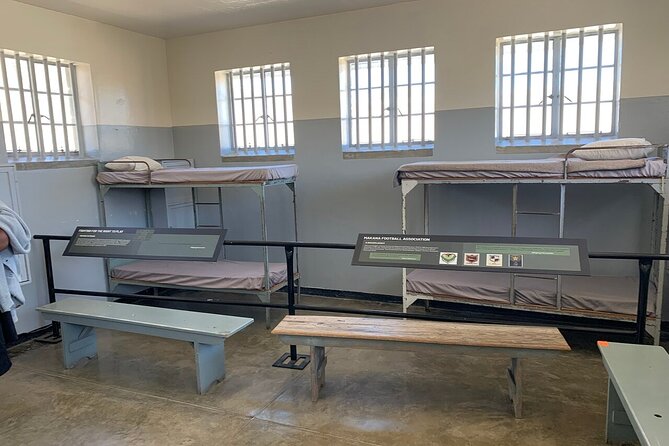
After the prison portion, you’ll spend about 30 minutes at Nelson Mandela’s cell. The cell matters because it represents a specific, personal timeline: Mandela was incarcerated for 18 of his 27 years in prison. That fact gives the visit a sharper focus than a generic “famous prisoner” stop. You’re seeing a real place tied to a real length of suffering—and, by contrast, a real length of endurance.
This is also one of those moments where the tour pacing slows down. You’re not on a big bus loop now. You’re in a space that invites silence and careful listening.
Then there’s additional walking time—about 30 minutes—to move from one bus segment to the next. It’s not just time filler. It’s built into how the island route works, and it helps you keep the flow without losing your place.
I recommend treating this segment like a short reset. If you feel your emotions rising, give yourself permission to pause, breathe, and stay with what you’re hearing. This isn’t a comedy museum and it shouldn’t be.



How long the day really takes (and how to plan around it)
The duration is listed at about 4 hours 30 minutes. That total includes the ferry ride(s), the museum bus tour, the prison tour, the Mandela cell visit, and the walking between segments.
Here’s the timing logic so you can plan your other activities:
- Ferry to the island and back (about 30–45 minutes each way)
- Museum bus tour around key sites (1 hour)
- Maximum-security prison tour (1 hour)
- Mandela’s cell visit (30 minutes)
- Walking between transport segments (30 minutes)
A smart way to handle this: don’t schedule another major activity right after you expect to return. Even though the tour ends back at the meeting point, you may still need a little buffer to get yourself back to wherever you’re going next.
Price and value: what $82.32 buys you in the real world
The price is $82.32 per person, and group discounts may apply. On value, I look at what you’re getting without extra add-ons you’d otherwise pay separately.
Included in the price:
- Return ferry ticket
- Guided tour with a former political prisoner
- Bus tour
Not included:
- Hotel pickup and drop-off
That’s important. You’re mostly paying for transportation to and from the island plus guided access. Since admission tickets for the ferry ride and the key museum sections are included, you’re not stuck piecing together separate costs.
Is it a lot? It can feel that way, especially if you’re visiting on a tight budget. But when a tour includes the ferry and structured guided access to the prison and Mandela-related sites, the cost looks more reasonable. You’re paying for time with guides who can explain the history with personal context, and that part usually isn’t something you can replicate cheaply on your own.
My practical advice: if you’re already planning to go to Robben Island, this pricing is more about paying for the right kind of guidance than it is about paying for transportation alone. The guidance is the value driver here.
Group size, pacing, and who this tour suits best
The tour caps at 20 travelers. That small group size is a real plus. It makes it easier for the guide to keep everyone together, and it helps the experience feel more personal instead of like a production line.
Most people can participate, and service animals are allowed. That said, this is still an active guided day with ferry time and walking. If you have mobility challenges, you should think about your comfort during the walking portions and the time spent moving between bus segments.
Who it suits:
- People who want history with human stories, not just facts on a plaque
- Anyone visiting Cape Town who wants a meaningful, UNESCO-linked experience
- Travelers who like guided structure and don’t want to wrestle with logistics during a tight schedule
Who might find it tough:
- If you prefer lighter sightseeing and minimal emotional content, this may feel heavy
- If you hate tours that don’t leave room for wandering, expect less freedom than you’d get with a fully independent plan
The one “gotcha”: tickets can be hard to secure
There’s one practical concern you should take seriously. Getting the actual tickets can be challenging on-site, with reports of spending 20 to 30 minutes at the ticket counter before tickets were finally sorted out.
So here’s my best practical move: plan to arrive with buffer time at the gateway, even if your start time is on the ticket. Don’t sprint. Don’t be late. Give yourself room for ticket desk delays and for moving through lines without stress.
If you’re someone who hates uncertainty, this is the part that can test your patience. The good news is that the tour itself is structured, and once you’re on the ferry, the experience flows through the planned segments.
Weather and schedule reality: plan for flexibility
This experience needs good weather. If conditions are poor and the tour is canceled due to weather, you’ll be offered a different date or a full refund.
That matters because ferry rides depend on conditions. If you’re visiting during a season with changeable skies, I’d avoid booking a tightly timed itinerary where one cancellation would cause major damage.
Should you book the Ferry Tour to Robben Island Museum?
If your goal is one of Cape Town’s most meaningful historic visits, I’d say yes—especially if you’re open to learning through personal stories. The combination of UNESCO-level context, guided stops at key sites like the limestone quarry, a maximum-security prison tour, and the Mandela cell visit gives you a complete picture in one day.
Book it if:
- You want a guided experience led by a former political prisoner
- You prefer having the day structured so you don’t spend mental energy on logistics
- You’re okay with the emotional weight of apartheid-era imprisonment
Skip or reconsider if:
- You can’t handle long, intense history content
- You strongly dislike the idea of ticket redemption taking time at the dock
- Your schedule is so tight that losing time to ticket lines would derail your day
For most people, the value is in the guided access and the human voice behind the story. Just show up prepared, give yourself a buffer for ticket redemption, and let the ferry ride be your calm start before the island’s real history takes over.
FAQ
What’s included in the Robben Island tour?
The tour includes the return ferry ticket, a guided tour with a former political prisoner, and a bus tour around Robben Island.
How long does the tour take?
The total duration is about 4 hours 30 minutes (approx.).
Where do I meet for the tour?
You meet at the Nelson Mandela Gateway to Robben Island at the V&A Waterfront in Cape Town.
Is hotel pickup or drop-off included?
No. Hotel pickup and drop-off are not included.
How long is the ferry ride?
The ferry ride is about 30–45 minutes each way.
What are the main parts of the Robben Island visit?
You’ll do a guided bus tour around the island (including key sites such as the limestone quarry), a maximum-security prison tour, and a visit to Nelson Mandela’s cell, plus some walking time between segments.
What happens if the weather is poor?
The experience requires good weather. If it’s canceled due to poor weather, you’ll be offered a different date or a full refund.
Can I cancel for free?
Yes. You can cancel up to 24 hours in advance for a full refund.
Are service animals allowed?
Yes, service animals are allowed.