REVIEW · CAPE TOWN
Cape Town: Robben Island ferry ticket with guided tour
Book on GetYourGuide →Operated by Nyasha Travels & Tours · Bookable on GetYourGuide
Robben Island has a way of sticking in your mind. You’ll take the ferry from the V&A Waterfront and walk the prison grounds with an English live guide, many of them former inmates, talking about Apartheid life in plain, human terms. I especially like the mix of unforgettable sights and firsthand narration, and I also like that you get big Cape Town views during the crossing.
One thing to plan around: the island portion can feel rushed and crowded, with bus time that may limit how much you can see or get off to reposition your view.
In This Review
- Key things I’d mark on your mental map
- Ferry time from Cape Town: your calm start before the hard part
- Ex-prisoner guides: why the stories land
- Inside the island route: leprosy graveyard and Lime Quarry
- Robert Sobukwe’s house: connecting names to places
- The maximum security prison grounds
- Mandela’s prison cell: the peak moment
- How the tour moves: pacing, buses, and where it can frustrate you
- Timing and logistics: 4 hours, one main meeting spot
- Price and value: what $74 covers and what it means for you
- Who should book this Robben Island tour?
- Quick practical tips so the day feels smoother
- Should you book the Robben Island ferry-and-prison tour?
- FAQ
- How long is the Robben Island ferry and guided prison tour from Cape Town?
- Where do I meet for the tour?
- What’s included in the price?
- Is food or lunch included?
- What should I bring for the visit?
- Is the tour wheelchair accessible?
- Is this tour suitable if I get seasick?
Key things I’d mark on your mental map
- Ex-prisoner storytelling: this isn’t textbook history; it’s lived experience translated clearly.
- The Mandela cell stop: the emotional peak is built into the route, not left to chance.
- Ferry views of Cape Town: the water ride gives you a strong start and a satisfying finish.
- Multiple important sites: leprosy graveyard, Lime Quarry, Sobukwe’s house, and the maximum security prison.
- A tour format that moves fast: if you don’t like bus-and-stop pacing, budget your patience.
Ferry time from Cape Town: your calm start before the hard part
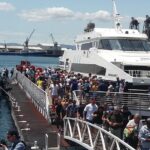
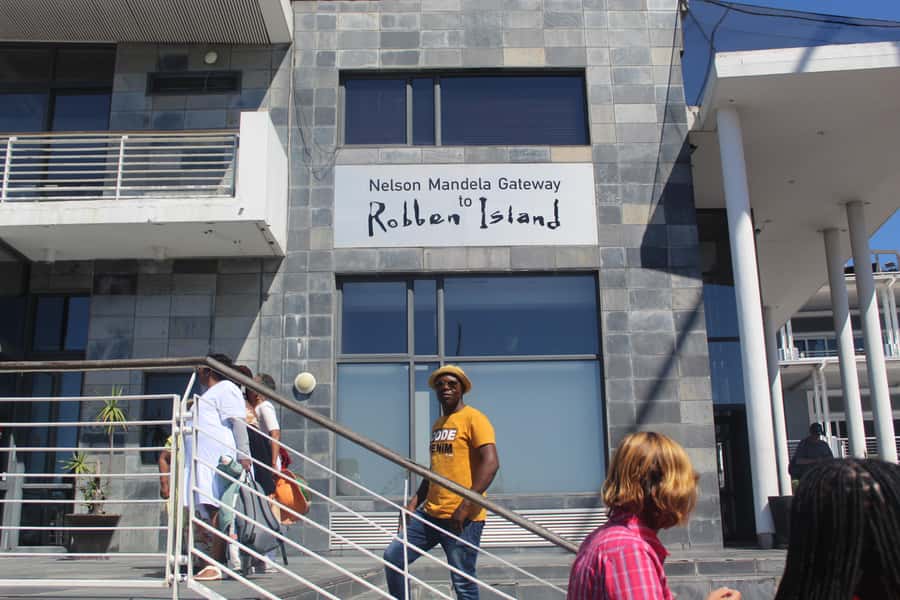
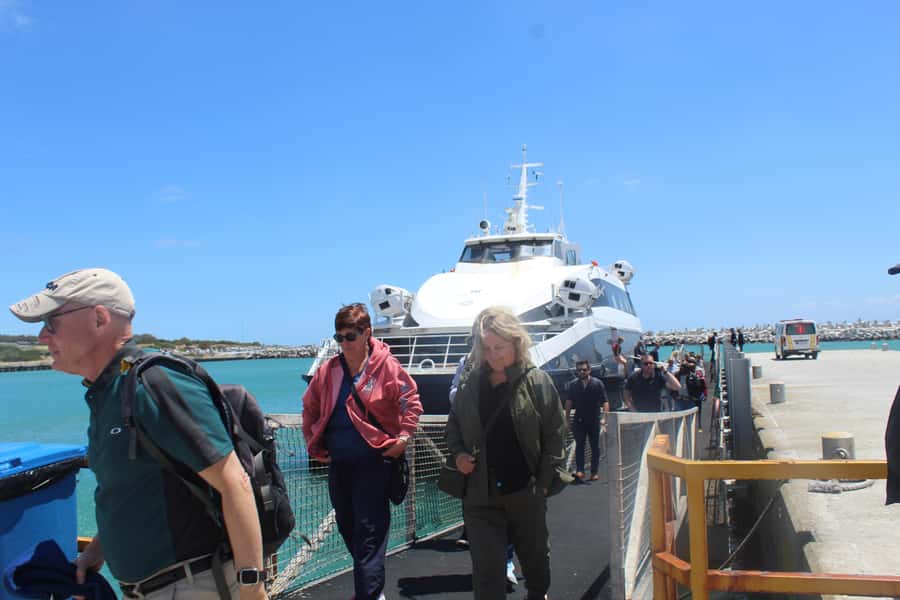
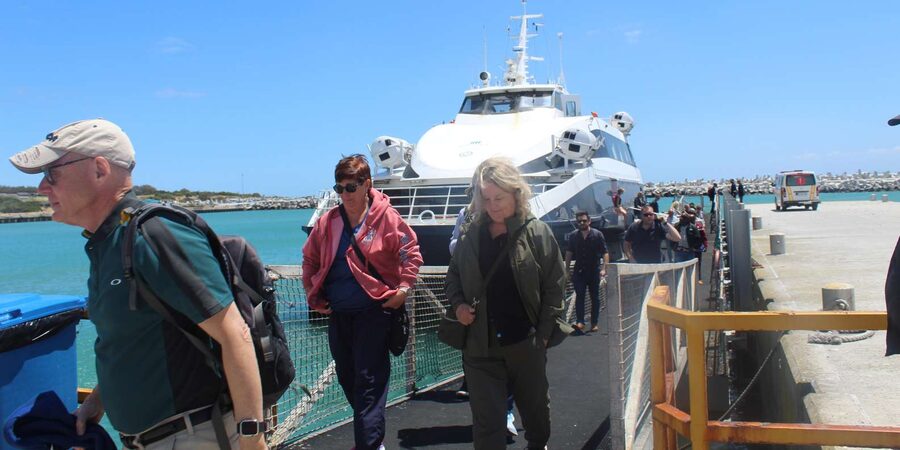
I like tours that begin with a sense of place, and this one does that well. You start at the Nelson Mandela Gateway for Robben Island, located at the V&A Waterfront near the Clocktower. From there, you board the ferry and enjoy about a 30-minute crossing to the island.
During the trip, you’ll see Cape Town from the water, which gives your brain a breather before the prison narrative takes over. You also set yourself up for the end of the day, because the return ferry includes more coastal views and the chance to spot Table Mountain from a totally different angle than you get on land.
If you’re sensitive to motion, do take this seriously: the experience isn’t suitable for people prone to seasickness. Even if you’ve handled boat rides before, this is still worth considering because the ferry is part of the core plan.
A few more Cape Town tours and experiences worth a look


Ex-prisoner guides: why the stories land
The biggest reason to book this particular style of tour is the guide. This experience includes a live guide, and the guiding storytelling is designed to come from an ex-inmate perspective. That matters because you’re not just hearing what happened; you’re hearing how it felt to live inside that system.
Expect the guide to connect major prison locations and events to daily life. You’ll hear explanations about rules, routine, punishment, and what it meant to be a political prisoner during Apartheid. The tone is often straightforward, which I find more powerful than dramatic framing.
English is the language used on this tour, so you’ll get consistent narration without having to piece together translated fragments while you’re trying to look around.
Inside the island route: leprosy graveyard and Lime Quarry
Once you arrive, you shift from ferry scenery to prison geography. Your tour covers several key points, and each one adds a different layer to what Robben Island meant.
One of the quieter-but-still-heavy stops is the leprosy graveyard. This isn’t the section most people think of first when they hear Robben Island, but it helps you understand that the island wasn’t only a prison site. It was also used for illness isolation, so the location carries a long, complicated human story beyond one era.
Then you move on to Lime Quarry, another location that shapes how you picture prisoner labor. Even if you already know the headline facts about Apartheid imprisonment, this kind of stop turns the story into something you can “see” in your mind—work spaces, boundaries, and the physical reality of the place.
If you want to get the most out of these stops, I suggest keeping your questions simple: ask how daily life worked at that specific place. Guides tend to answer in practical terms, and that’s when the history becomes personal instead of abstract.
Robert Sobukwe’s house: connecting names to places
Another meaningful stop is Robert Sobukwe’s house. This is one of those places where a name on a map becomes a real, specific location with a story attached.
For me, this is one of the helpful parts of the tour because it prevents the visit from becoming a single-character story. Nelson Mandela is the focus, but learning about Sobukwe along the way adds context about how resistance and imprisonment spread across different leaders and timelines.
You’ll also likely hear how incarceration shaped political activism. The guide’s job here is to connect what you’re seeing—buildings, ground, and prison layout—to what those leaders experienced. Pay attention to the “why this place matters” explanations, because those short moments often do more for understanding than the physical sightseeing alone.
The maximum security prison grounds
After those early stops, the tour reaches the harder, more imposing areas of maximum security. This section helps you understand how the prison was designed to control people—through physical restrictions, routine, and constant pressure.
What I like about including the maximum security prison in the route is that it gives you a stronger sense of scale. You’re not only viewing one famous cell; you’re walking through a system. When the guide points out what was meant to limit movement or enforce discipline, the place starts to explain itself.
This part of the tour can feel emotionally heavy, so plan to slow down your own pace. If you tend to rush photos, try to pause for a few breaths when the guide points out a key area. You’ll remember the moment more clearly than another quick snapshot.
You can also read our reviews of more guided tours in Cape Town
Mandela’s prison cell: the peak moment
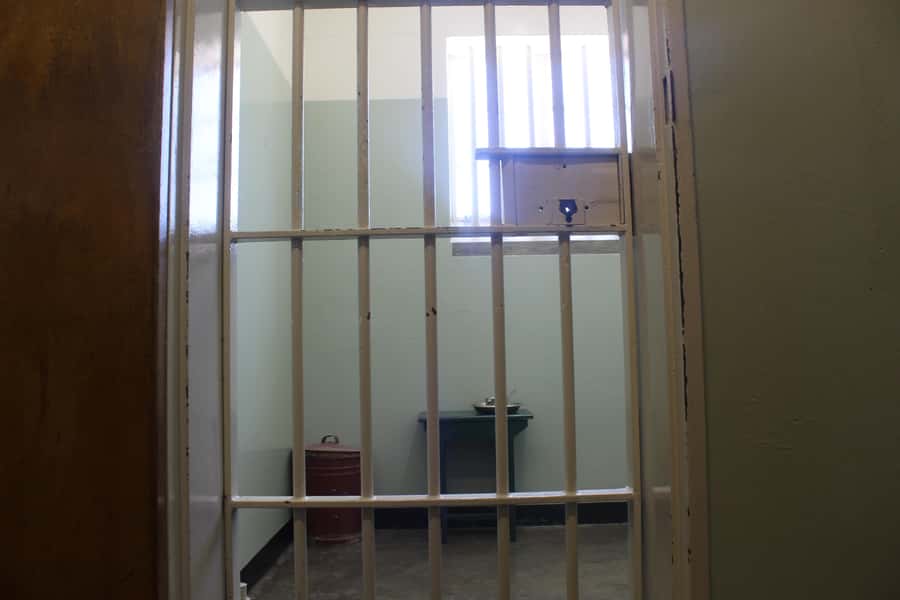
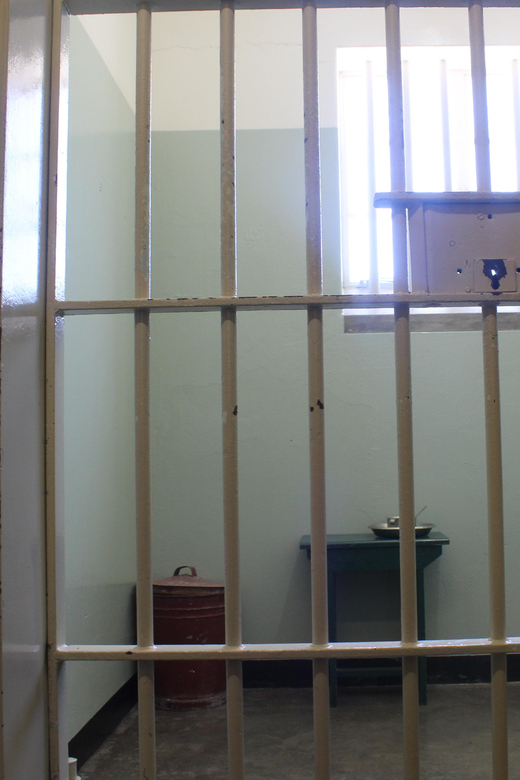
The highlight is the visit to Nelson Mandela’s prison cell, which the tour treats as the peak. This stop is where the whole trip tightens into one focused experience: a small space tied to extraordinary leadership and perseverance.
I’m not going to sugarcoat it. Standing there, you can feel how a place designed to erase a person still couldn’t erase an idea. The cell is solemn and quiet, and the guide’s explanations usually bring the story back to why this mattered beyond one man.
Practical tip: give yourself a bit of mental space here. Don’t pack this stop with your most demanding questions. Instead, let the guide finish the main story points, then ask one focused question if you have time. That’s often the best way to turn a powerful moment into something you truly understand.
How the tour moves: pacing, buses, and where it can frustrate you
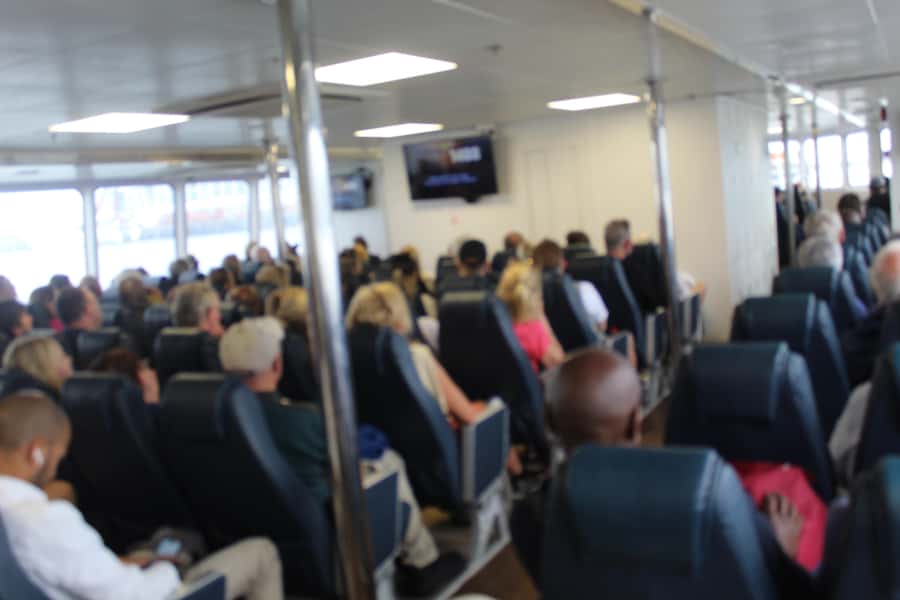
This is a 4-hour guided experience, and the island portion uses a bus route to cover multiple sites. That’s convenient, but it’s also the most common point of friction.
If you’re trying to observe details while seated, it can be a challenge. One issue to watch for is that you can get stuck in a seat configuration where you can’t see much from your side of the bus. If you’re hoping for lots of window-level viewing or easy repositioning, you may feel limited.
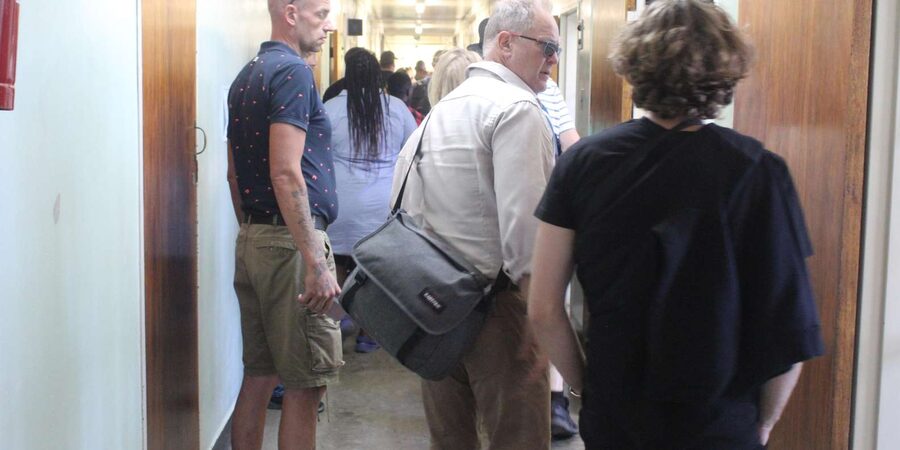
Also, the pacing can feel rushed. The stop sequence is packed, and you may not get much time to wander at your own speed. That’s not always a dealbreaker—if you’re the type who likes a structured route and clear narration, you’ll probably enjoy it. But if you want a slower, more independent visit, build in some patience and keep your expectations realistic for a fixed 4-hour window.
If possible, aim to travel with a flexible mindset. The island is emotionally intense, and rushing makes it harder to digest the information. I’d treat this like a planned learning experience, not a casual scenic afternoon.
Timing and logistics: 4 hours, one main meeting spot
The whole tour is about 4 hours from the Nelson Mandela Gateway at the V&A Waterfront. There’s no hotel pickup included, so you’ll want to get yourself to the meeting area with enough buffer time.
This is also a useful detail for your schedule planning: you should expect a structured start time and then movement through the island sites. The result is that you don’t spend your day figuring things out. You spend it listening, looking, and walking through the main prison route.
Bring your passport or ID card, and keep in mind it’s outdoors and you’ll be walking between stops. Pack a jacket even if the day feels mild when you set out, because coastal weather can shift. Comfortable clothes matter more than you think, since you’ll be moving through multiple areas back-to-back.
Food and lunch aren’t included. If you’re the type who needs a solid meal before a long sit-with-history moment, eat beforehand. Bring a light snack if you like, but don’t assume you’ll have time to eat on-site during the tour window.
Price and value: what $74 covers and what it means for you
At about $74 per person, this isn’t the cheapest thing in Cape Town—but it’s also not hard to justify once you see what’s included.
You’re paying for:
- a ferry ticket to and from the island
- a live English guide
- a guided tour of key island and prison locations
What makes the price feel fair is that you’re not just buying access to a site. You’re buying time with a storyteller who can connect locations to lived experience. That’s a rare value in sightseeing.
In addition, the ferry portion is part of the overall package. You’re not wasting time trying to coordinate separate transport steps. That matters in Cape Town, where schedules and routes can be flexible but not always simple.
What could make the price feel less worthwhile is the pacing. If you end up feeling rushed or crowded, the experience may feel shorter than it should. Still, if you’re there specifically for Mandela’s prison story, the core value remains: the route is designed to hit the right locations in one guided run.
Who should book this Robben Island tour?
I think this experience is a great fit if:
- you want a guided, structured route rather than a do-it-yourself day
- you care about Apartheid-era history presented through real-world accounts
- you like getting context as you visit meaningful sites (not just photo stops)
It may be less ideal if:
- you dislike bus-based touring or tight stop timing
- you’re uncomfortable with crowds in enclosed transport
- you’re prone to seasickness
Because the visit is emotionally intense, I’d also suggest it for travelers who can handle serious historical content without needing frequent breaks. The tour format keeps you moving, so plan to absorb rather than escape.
Quick practical tips so the day feels smoother
Here are the things that help you enjoy the day more, based on what this tour setup requires.
- Bring your passport or ID card so you’re not stuck at the start.
- Wear comfortable clothes and bring a jacket for coastal conditions.
- If you get motion sickness, think carefully before booking.
- Eat before you go. Food and lunch aren’t included.
- Arrive at the V&A Waterfront meeting area early so you can find the Nelson Mandela Gateway area near the Clocktower without stress.
Should you book the Robben Island ferry-and-prison tour?
Yes—if you want the Mandela prison experience with live narration and a route that covers multiple important sites in one go. The guiding style, especially when the storytelling comes from an ex-inmate perspective, is the main reason I’d choose this option over a plain ticket-only day.
Book it with two expectations set: the tour is 4 hours and it moves briskly, and the ferry ride is part of the experience. If you’re comfortable with that structure, you’ll come away with a clearer understanding of what Robben Island was—and why that single cell still carries worldwide meaning.
FAQ
How long is the Robben Island ferry and guided prison tour from Cape Town?
It lasts about 4 hours, starting at the Nelson Mandela Gateway and returning to the same meeting point.
Where do I meet for the tour?
You meet at the V&A Waterfront at the Nelson Mandela Gateway to Robben Island, located next to the Clocktower.
What’s included in the price?
The tour includes a live guide, the ferry ticket to Robben Island, and the guided tour of the island and the prison.
Is food or lunch included?
No. Food and lunch are not included.
What should I bring for the visit?
Bring your passport or ID card, a jacket, and comfortable clothes.
Is the tour wheelchair accessible?
Yes, it is wheelchair accessible.
Is this tour suitable if I get seasick?
No. It isn’t suitable for people prone to seasickness, since it includes a ferry ride.