REVIEW · CAPE TOWN
Cape Town: Robben Island Ferry Ticket and Townships Tour
Book on GetYourGuide →Operated by Sam's Cultural Tours · Bookable on GetYourGuide
District Six and Langa hit you before you even step out. This Cape Town day trip links the apartheid-era story to what still shapes daily life, then closes with a visit to Robben Island and Mandela’s prison. You’ll ride in an air-conditioned minivan, meet community guides like Sam (and other local hosts), and see how history shows up in neighborhoods, memorials, and the people who live there now.
Two things I really like: you get hands-on, guided township context (District Six, Langa, Bonteheuwel, Gugulethu), and the Robben Island experience is led by a former prisoner inside the prison for that rare, first-person gravity. One possible drawback: you should plan for moderate walking in the townships, and the Robben Island prison visit can feel a bit rushed in a larger group.
In This Review
- Key takeaways you’ll feel
- District Six to Langa: why this tour starts with apartheid’s blueprint
- Walking the Langa townships: what your feet learn
- Shebeens, homemade beer, and a traditional healer: culture with real context
- Bonteheuwel and the apartheid labels that still echo
- Gugulethu 7 and Amy Biehl: remembrance you can stand inside
- From V&A Waterfront to Robben Island: a change of pace, same thread
- Mandela’s prison: why the guide matters inside Maximum Security
- Whales, bus rides, and the last stretch of the day
- Price and value: what $89 buys you, and what it doesn’t
- Who should book this, and who might want a different plan
- Practical tips so your day runs smoothly
- Should you book Cape Town: Robben Island Ferry Ticket and Townships Tour?
- FAQ
- FAQ
- What’s included in the tour price?
- Is hotel drop-off included?
- Do I need to bring a passport?
- How much walking is involved?
- What if the Robben Island ferry is canceled due to weather?
- What language is the tour offered in?
Key takeaways you’ll feel
- Townships + memorials in one loop: District Six, Langa, Bonteheuwel, plus Gugulethu 7 and Amy Biehl’s memorial
- Local culture stops you can actually see: a shebeen and homemade beer, plus a traditional healer demonstration
- Community-guided walking in Langa: hostels, shacks, and the sites connected to Robert Sobukwe
- Robben Island with a ferry ticket included: you explore on your own after being dropped at the V&A Waterfront gateway
- Real safety support from the start: guides help you move through places that can feel unfamiliar
- Weather can shift timing: the ferry ticket is availability- and weather-dependent
District Six to Langa: why this tour starts with apartheid’s blueprint
This is the kind of day tour that treats history like something you can point to. The morning begins with hotel pick-up and an air-conditioned minivan ride that takes you through Cape Town’s apartheid geography, not just its tourist geography.
You’ll start with District Six, an area where around 60,000 inhabitants were forcibly removed during the 1970s. That number matters because it’s not abstract. From the road, the story is already loud: you’re seeing a city shaped by policies that uprooted whole communities, then you’re going to walk among the consequences.
Then you’ll head to Langa, often described as Cape Town’s oldest township. Langa isn’t presented like a museum. It’s presented as a living place where you learn the past and then look at what’s still there. Stops can include the Old Pass Office and the monument to Robert Sobukwe, which gives you a concrete thread: apartheid wasn’t only laws and buildings; it was control, movement restrictions, and political repression.
A few more Cape Town tours and experiences worth a look


Walking the Langa townships: what your feet learn
Langa is where the tour becomes more personal. The schedule includes a walking tour of the hostels and shacks, which is exactly the kind of setting that makes the apartheid system feel real fast.
A few practical notes before you go in:
- Wear comfy shoes. One visitor mentioned the walk was about 2 hours, so this isn’t a quick stroll.
- Be ready for a moderate amount of walking overall during the day.
- Ask questions. The guides are set up to explain things clearly, and you’ll get more out of it if you use that time.
This is also where guide choice makes a difference. Several groups highlight guides who are from the area. People named Sam, Sipho, Mpumzi, and Luyolo are mentioned for their first-hand context and clear explanations, and that matters because you’re not just hearing a lecture. You’re getting an inside perspective on how daily life works and how apartheid’s leftovers still show up.
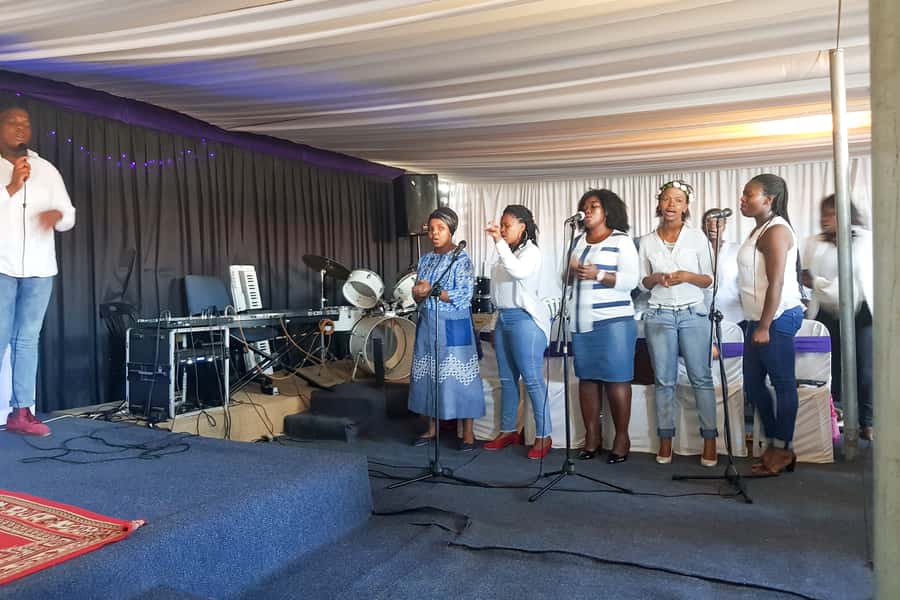
You may also meet kids and see everyday community life through the stop at a primary school (and on some days, a local church service may replace certain school visits, depending on timing). Either way, it’s a reminder that you’re not sightseeing an empty set—you’re moving through a neighborhood.
Shebeens, homemade beer, and a traditional healer: culture with real context
One of my favorite parts of this day is that it doesn’t stop at buildings and politics. In Langa, you’ll visit a shebeen and try homemade beer if you choose. This isn’t “party tourism.” It’s framed as local social life—how people gather, cope, celebrate, and create community in spaces shaped by inequality.
You’ll also have the chance to see a traditional African healer at work. The tour describes a healer’s “office” experience, which can help you understand local belief systems as something practical and lived—not just a curiosity.
A simple mindset helps here: go in with respect and a willingness to listen. If you feel a bit overwhelmed, that’s normal. This isn’t designed to be light entertainment. It’s designed to add texture to the bigger story you’re learning.
Bonteheuwel and the apartheid labels that still echo
After the Langa walking portion, you’ll drive through Bonteheuwel. The tour explains that during apartheid, it was reserved for the “colored” community—a term tied to segregation categories created by the apartheid government.
This drive-through segment can feel less hands-on than Langa, but it has value. It shows you the apartheid system as a network of labeled spaces, not one single “bad area.” You start to see how communities were separated and how that division still affects people today.
If you’re the type who likes patterns—who wants the why behind the where—Bonteheuwel is a useful piece of the puzzle.
Gugulethu 7 and Amy Biehl: remembrance you can stand inside
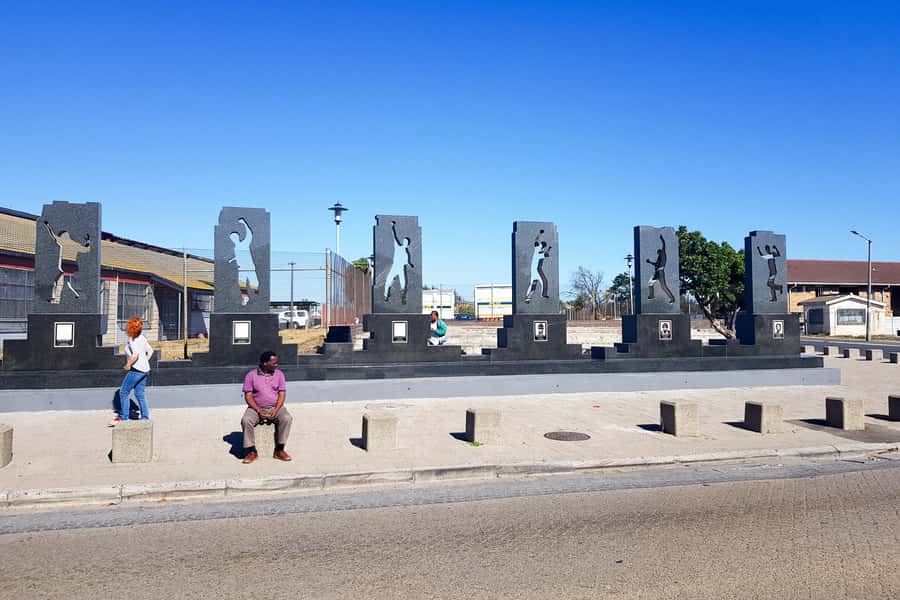
Next up is Gugulethu, with two major stops: the Gugulethu 7 Memorial for anti-apartheid activists killed by the South African Police in 1986, and the memorial to the American student Amy Biehl, murdered by PAC supporters in 1993.
Memorial stops are where your emotions catch up with your facts. By now you’ve learned about removals, pass systems, segregated neighborhoods, and everyday life under inequality. Seeing these memorials puts faces, names, and dates to the cost of resisting apartheid.
This is also where the tour’s tone matters. Many visitors describe moments that feel heartbreaking or sobering. I’d treat the memorial section like a slow moment: ask questions if you want the background, but also give yourself time to absorb what you’re looking at.



From V&A Waterfront to Robben Island: a change of pace, same thread
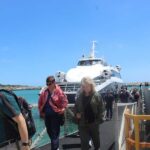
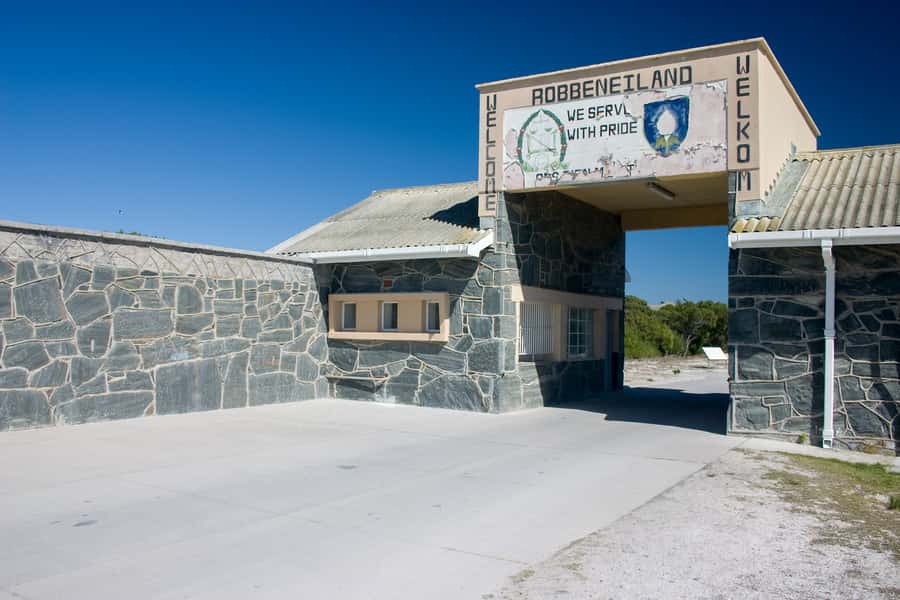
At the end of the township portion, you get dropped at the V&A Waterfront to catch your included ferry to Robben Island. Hotel drop-off isn’t included, so plan to make your own way back after the island visit.
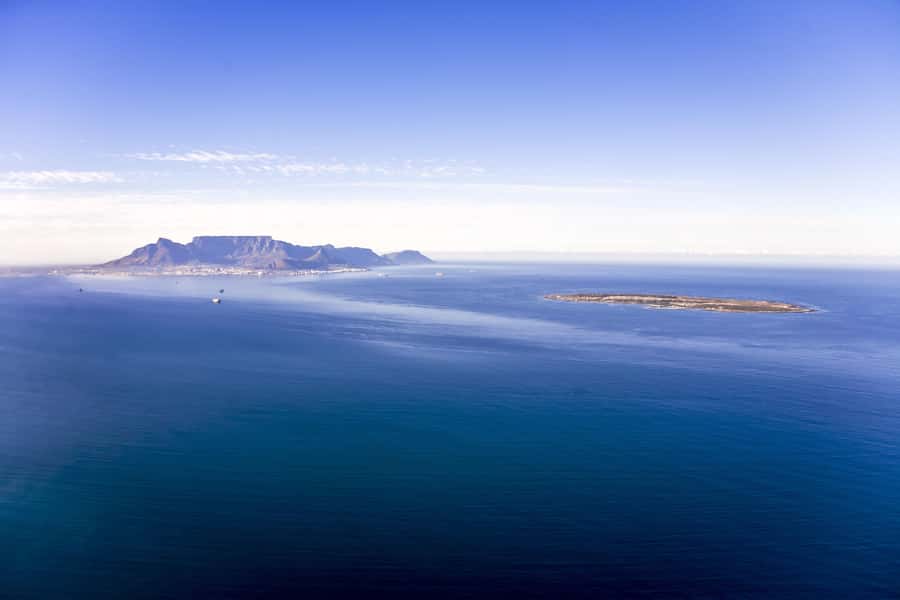
Robben Island is a different format: you explore on your own using the included ferry ticket. The upside is freedom—your time is yours once you arrive. The downside is that you’re not with your day’s township guide the whole way.
Still, the prison experience can be startlingly direct. Several groups mention former prisoners leading parts of the prison visit, which makes the storytelling hit differently than standard audio narration.
Mandela’s prison: why the guide matters inside Maximum Security
Robben Island’s core draw is Mandela’s imprisonment, but what people really remember is how it’s communicated. One visitor notes having an ex-political prisoner as the prison guide, and that kind of first-hand delivery turns the visit from informative to personal.
That said, there’s a practical trade-off: some visitors felt the prison tour could be a bit rushed, and it can depend on group size and how schedules stack together. If you’re someone who likes to linger over exhibits, you might wish you had more time.
Also note two details that can affect comfort:
- Robben Island can be windy. Bring a layer.
- If you’re in a mixed-language situation, translation timing can affect the pace. One review mentioned delays linked to translation.
If you go in knowing this is a guided flow you can’t control, you’ll likely enjoy it more. Focus on the big moments: Maximum Security context, the human stories, and the sheer weight of the place.
Whales, bus rides, and the last stretch of the day
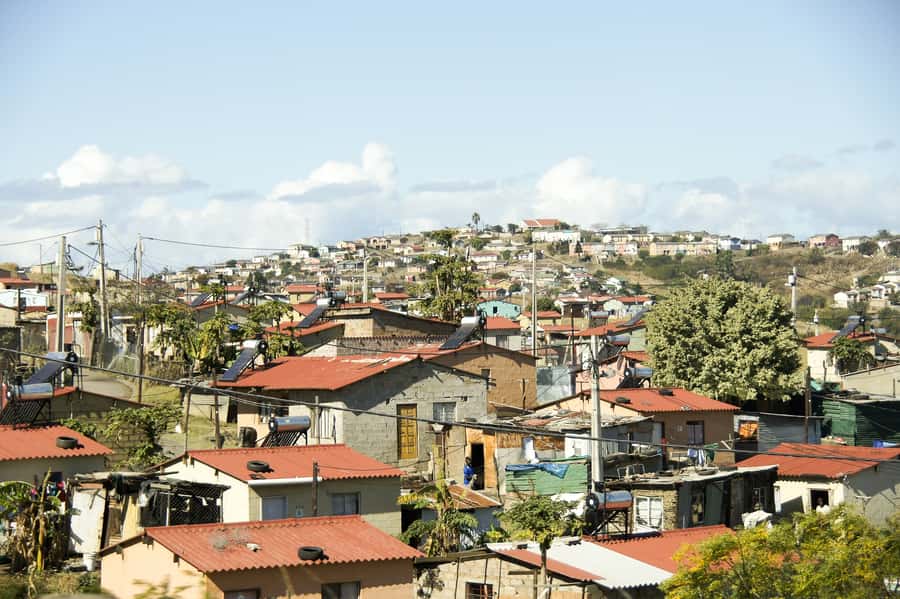
After the prison portion, you’ll typically see more of the island via bus-style touring as part of the Robben Island program, with a guide sharing details. One visitor even mentioned seeing whales on the trip back to Cape Town, which is the kind of bonus that makes the ferry ride feel like more than a transfer.
But overall, this part of the day can feel structured and scheduled. A few people mentioned the bus group could be large and that hearing the guide inside the prison could be tricky depending on where you sit.
Your best strategy: bring patience, pack a light layer for wind, and treat the day as a full emotional arc—townships in the morning, a sobering prison visit in the afternoon, then back to Cape Town.
Price and value: what $89 buys you, and what it doesn’t
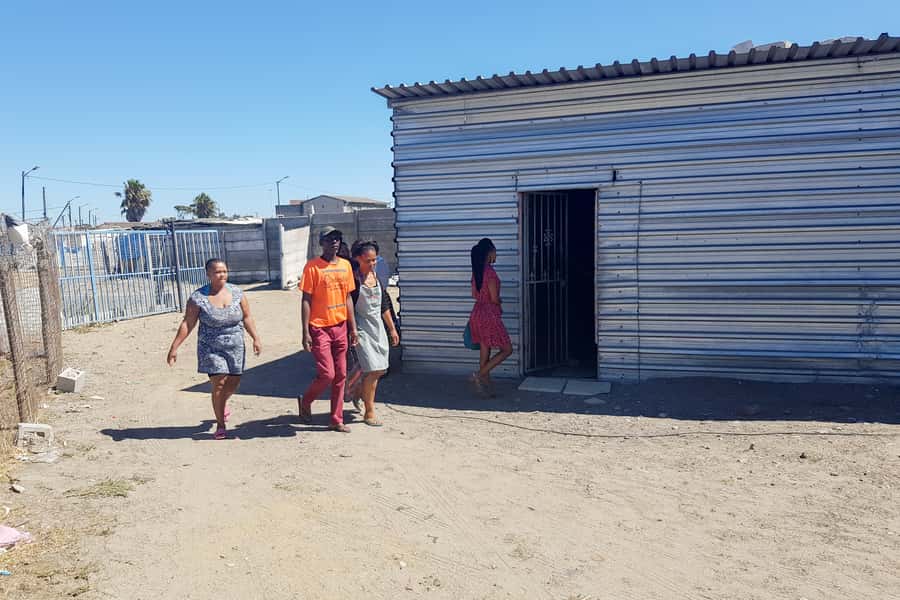
At $89 per person, you’re paying for a bundle: township guiding, private transportation by air-conditioned minivan, hotel pick-up, and a Robben Island ferry ticket. For a day that includes multiple major locations, plus culture stops like a shebeen and a traditional healer, it can feel like solid value—especially compared with piecing everything together yourself.
But value isn’t only price. It’s timing and fit:
- If you want maximum time on Robben Island, some visitors felt the prison visit could use more breathing room.
- If you care most about Robben Island and less about townships, this might feel like you’re paying for a lot of morning content you didn’t plan for.
- If you get motion-sick or dislike tight group transport, you’ll want to be comfortable with shared driving and group scheduling.
Where this tour shines is the way it connects apartheid policy to real places you can walk and name. That connection is hard to reproduce if you only buy a ferry and show up alone.
Who should book this, and who might want a different plan
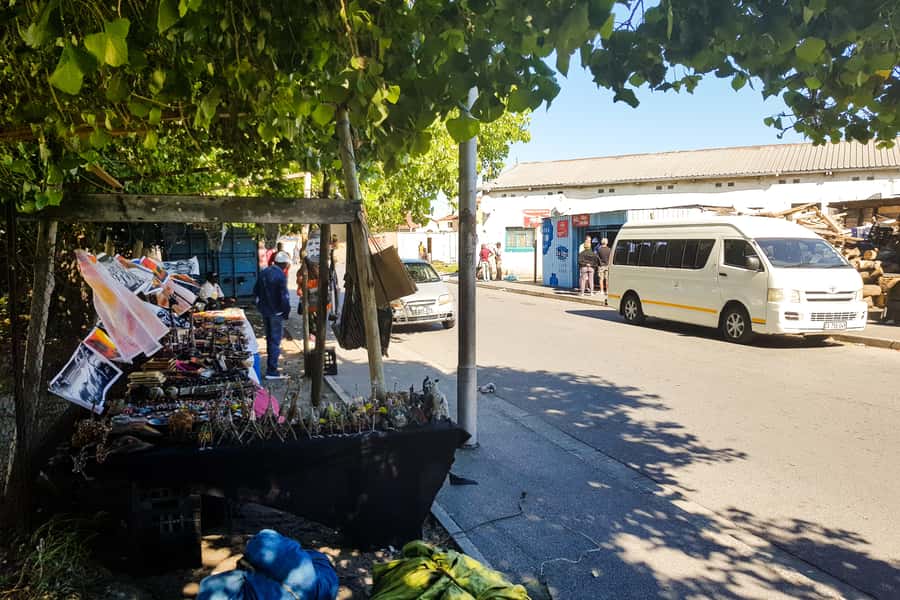
This is a strong match if you:
- Want a real introduction to Cape Town’s social inequality—not just scenic highlights
- Like guided context that turns history into place-based understanding
- Are comfortable with an emotional day that can take you out of a typical holiday mood
- Appreciate guides with first-hand or local connection, like Sam and other township guides mentioned by visitors
You might reconsider if you:
- Hate walking or prefer fully seated experiences
- Want a slow, unhurried visit inside Robben Island exhibits
- Get stressed in larger groups or when translation affects pacing
Practical tips so your day runs smoothly
A few small things make a big difference on a day like this:
- Bring a passport or ID card. A copy is accepted based on the information you have.
- Plan for moderate walking in the townships. Wear supportive shoes.
- Pack a layer for wind on the ferry and island.
- Be ready for a full day. Even when it’s described as half-day in some ways, the overall experience is structured like an all-day story.
- If you want to support local businesses, this tour gives you market time. Bring some cash for small purchases, and keep expectations realistic: some souvenirs can be pricey.
Should you book Cape Town: Robben Island Ferry Ticket and Townships Tour?
I’d book it if you want your Cape Town trip to make sense beyond postcards. The township portion is the point: District Six’s removal story, Langa’s walking tour and culture stops, Bonteheuwel’s apartheid-era segregation context, and Gugulethu memorials all work together. Then Robben Island adds the Mandela connection with a prison experience that can feel genuinely first-person.
Skip it only if you’re mainly chasing Robben Island and you don’t want the morning township component, or if you’re uncomfortable with group timing and some walking. For most people who are serious about understanding Cape Town, this tour is one of the most direct ways to connect the city’s past to its present.
FAQ
FAQ
What’s included in the tour price?
The tour includes a Robben Island ferry ticket, a driver/guide, hotel pick-up, and private transportation by air-conditioned minivan.
Is hotel drop-off included?
No. You’ll be dropped at the V&A Waterfront ferry gateway after the township tour, and you’ll make your own way back to your hotel.
Do I need to bring a passport?
Bring a passport or ID card. A copy is accepted.
How much walking is involved?
There is a moderate amount of walking. The Langa walking tour includes time walking through areas like hostels and shacks, so comfy shoes are a good idea.
What if the Robben Island ferry is canceled due to weather?
Robben Island ferry service is subject to availability and weather conditions. If the ferry gets canceled after the township tour, you’ll be given a chance to reschedule (based on availability) or receive a partial refund.
What language is the tour offered in?
The tour is offered in English.