REVIEW · CAPE TOWN
Robben Island Nelson Mandela’s Prison Museum + Township Tour incl Ferry Tickets
Book on Viator →Operated by Raw African Safaris · Bookable on Viator
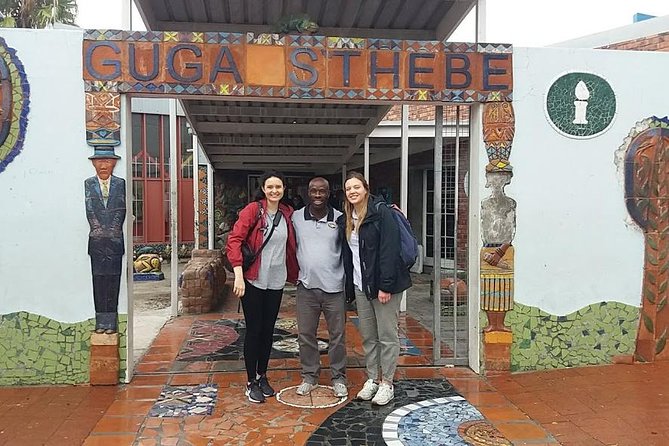
A prison tour that still hits today. This full-day outing pairs Robben Island—where Nelson Mandela was held for 18 years—with a real-world look at life shaped by apartheid in Langa Township. I especially like that the day includes return ferry tickets plus time with the Robben Island museum experience, and I also like the stop that adds texture back on land with Gugu S’thebe Cultural Centre and the Arts and Crafts Market.
You’ll also get a practical break in the middle of it all: an African lunch at an African restaurant, and hotel round-trip transfers in an air-conditioned vehicle. The main drawback to think about is pacing: it’s about 8 hours, and you’re doing several hours of guided time plus walking, all while handling a heavy subject. Good shoes and a calm mindset help a lot.
In This Review
- Quick reasons this tour works
- Robben Island begins at the Nelson Mandela Gateway
- The ferry ride from the V&A Waterfront is more than transport
- What you’ll see on Robben Island museum time
- Langa Township and the Gugu S’thebe Cultural Centre stops
- Cape Town lunch break: refuel without losing the thread
- Transfers and timing: how to keep the day from feeling rushed
- Price and value: why $196.57 can make sense
- Guides matter: look for calm, informed context
- Who this tour is best for
- Should you book this Robben Island and Langa Township day?
- FAQ
- What is the duration of the tour?
- Where does the tour start and what time does it begin?
- Is Robben Island ferry service included?
- Is lunch included?
- What does the tour include for transportation?
- What’s included on Robben Island and at Gugu S’thebe?
- How big is the group?
- Does the tour require good weather?
- Can service animals join the tour?
Quick reasons this tour works
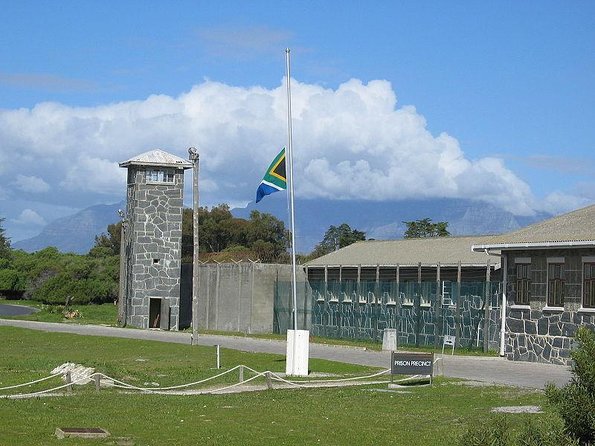
- Mandela’s cell and the prison reality on Robben Island
- Return ferry tickets from the V&A Waterfront area
- A strong pairing of history plus modern-day context in Langa Township
- Cultural stops at Gugu S’thebe Cultural Centre and the market
- African lunch included so you’re not hunting mid-day
Robben Island begins at the Nelson Mandela Gateway
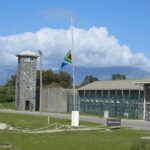
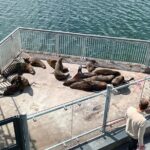
Robben Island isn’t just a stop; it’s a whole setting that explains why the island mattered. It sits in Table Bay, and it has had a few different lives: Dutch and British names (including Seal Island), animal quarantine, a leper colony, and then—most painfully—place for isolation of mainly political prisoners.
That context matters because the museum experience doesn’t treat Mandela’s imprisonment like an isolated story. You’ll learn that three men connected to Robben Island’s political prisoner history later became Presidents of South Africa: Nelson Mandela, Kgalema Motlanthe, and Jacob Zuma. When you hear that, the prison becomes part of the country’s political timeline, not just a monument.
A few more Cape Town tours and experiences worth a look

The ferry ride from the V&A Waterfront is more than transport
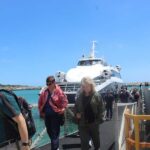
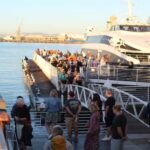
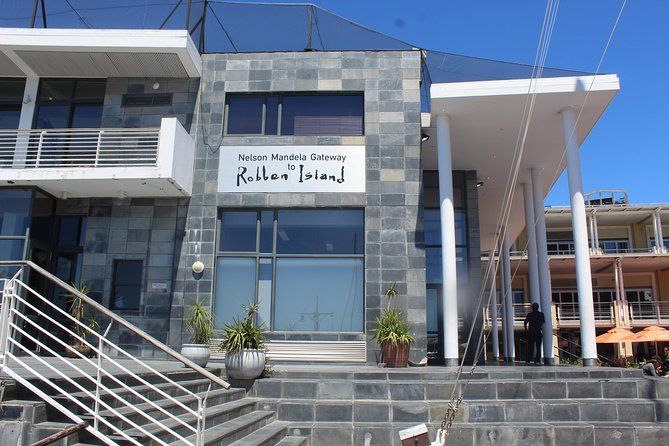
The schedule funnels you toward the Nelson Mandela Gateway at the V&A Waterfront, where the Robben Island tours begin. The point of the ferry here isn’t just getting you there—it sets your expectations. You’re heading into a place with strict rules and a clear historical purpose, and arriving by water helps you mentally shift from city Cape Town to something harsher and more controlled.
It’s also a big comfort thing: you don’t have to coordinate ferry tickets yourself. Return ferry tickets are included, and the transfers are set up so you can concentrate on the experience instead of logistics. If you hate cutting it close, this is one of those days where that matters.
What you’ll see on Robben Island museum time
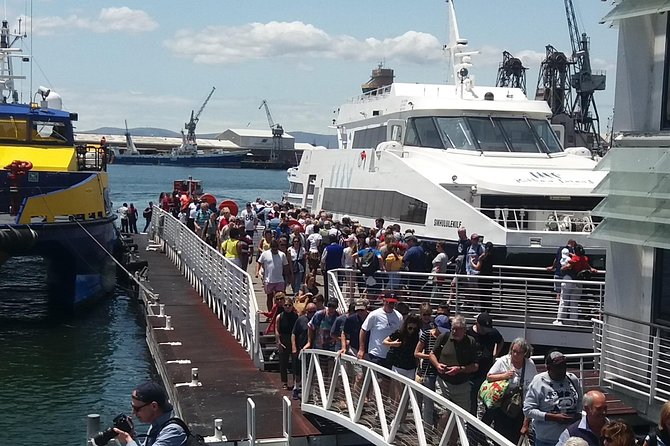
Your Robben Island museum portion is roughly 4 hours, and admission is included. This is enough time to move beyond the headline and actually absorb how the prison functioned, what life looked like, and why it became so important in the story of apartheid and resistance.
Nelson Mandela’s story is central because he was imprisoned on Robben Island for 18 years. You’ll see his prison cell, which is the kind of moment that changes the way you think about distance and hardship. It’s one thing to read about prison; it’s another thing to stand near the physical constraints that shaped daily life for political prisoners.
You’ll also pick up that Robben Island is a UNESCO World Heritage site (designated in 1999). That matters because it explains why the experience is structured and preserved: you’re visiting something the world agreed is worth protecting and interpreting carefully. When a site like this gets that kind of recognition, it’s usually because the details help people understand what happened and why.
Langa Township and the Gugu S’thebe Cultural Centre stops
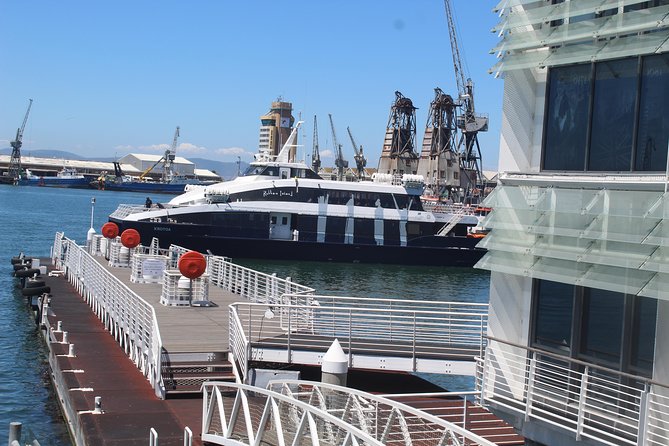
After Robben Island, you head to Langa Township, one of Cape Town’s oldest townships and a place where the impacts of apartheid are part of the everyday landscape of history. This shift—prison island to township reality—isn’t just a change of scenery. It’s a direct comparison between confinement and community, between enforced separation and how people rebuilt.
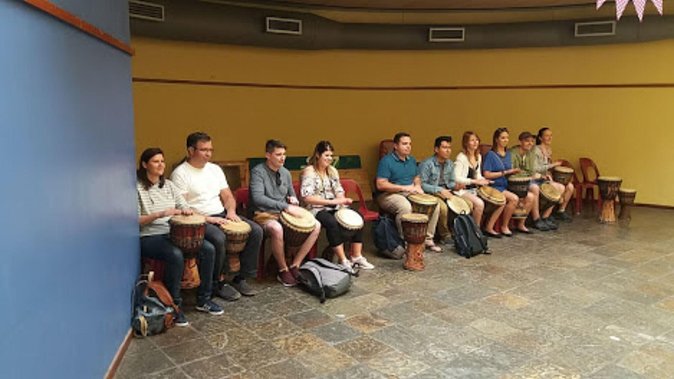
In Langa, you’ll spend around 2.5 hours connected to Gugu S’thebe Cultural Centre and the Arts and Crafts Market. The center and market are ideal for getting out of pure lecture mode and using your senses: you’ll see how culture, art, and everyday creativity carry meaning across generations.
A useful thing to know going in: townships in South Africa were part of the enforced system that reserved areas for non-whites under apartheid, and the idea of a township can include formal and informal settlements. You may hear township described using terms like location or lokaasie—that language difference is a hint that this is a lived reality, not a museum label.
Cape Town lunch break: refuel without losing the thread
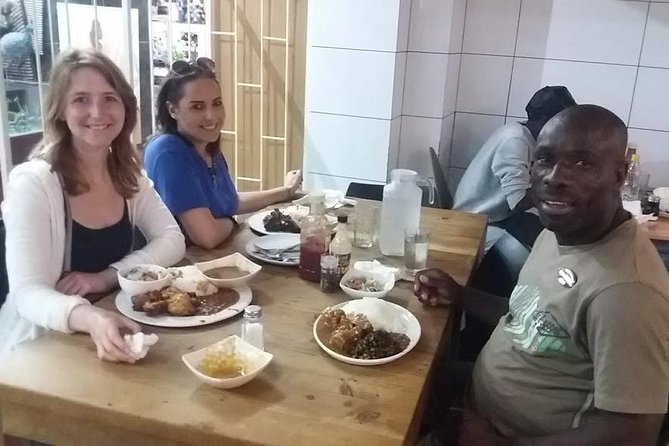
The day includes a lunch stop in Cape Town, built into the schedule with about 1.5 hours. You’ll eat at an African restaurant, and the lunch is included. Drinks are not included, so if you want bottled water, soft drinks, or anything else at the table, plan to pay extra.
This lunch break is more than food. Because Robben Island is heavy and the township visit is active, you’ll feel the value of a sit-down meal and a chance to reset. When you don’t have that, the whole day can blur into one long memory. With lunch provided, you can keep your energy steady and stay present.
You can also read our reviews of more museum experiences in Cape Town


Transfers and timing: how to keep the day from feeling rushed
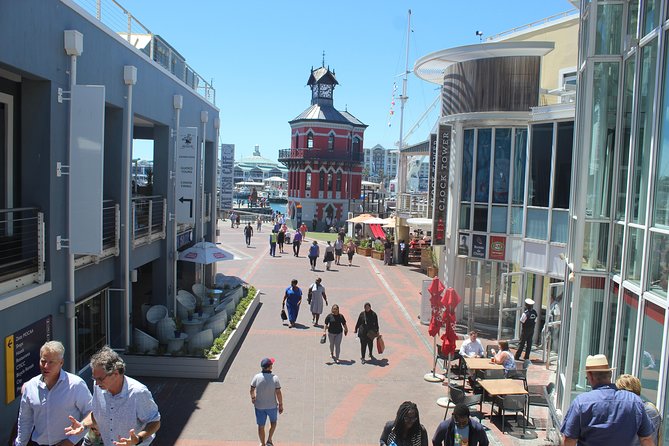
This is about an 8-hour experience, starting at 8:30am. Pickup and drop-off are handled from your hotel area, and the main meeting point is listed as the Silo Hotel, Silo Square, Victoria & Alfred Waterfront.
The vehicle is air-conditioned and you’ll also have bottled water. Those details sound small, but they matter in Cape Town: long days are easier when the basics are taken care of and you aren’t hunting for water between stops.
Group size is capped at 24 travelers. That’s a good middle ground. It’s not so big that you feel anonymous, and it’s not so small that you lose the group-driven energy that comes from shared learning.
What I’d watch for is how you manage emotions. Robben Island can be emotionally intense. Langa can also bring up questions about inequality and rebuilding. If you’re the type who needs a lot of processing time, plan for the fact that the day keeps moving.
Price and value: why $196.57 can make sense
The price here is $196.57 per person. On paper, that’s not cheap, but in Cape Town it often boils down to what you’d pay if you tried to assemble it yourself.
Here’s where the value usually shows up for you:
- Return ferry tickets to Robben Island are included, plus the museum admission is handled as part of the Robben Island museum time.
- You get round-trip hotel transfers in an air-conditioned vehicle, which removes a lot of stress on the day.
- Lunch is included, so you’re not spending extra time figuring out where to eat after a museum visit.
Also, there’s a planning clue: it’s commonly booked about 54 days in advance. That suggests demand for this specific combination of sites. If you wait too long, you may lose the date you want.
If you’re trying to compare costs, make sure you price the full day you actually want: ferry + time + transfers + a meal. This kind of structured day costs more than a casual sightseeing loop, but it’s built to deliver two major experiences without you juggling parts.
Guides matter: look for calm, informed context
One of the best parts of tours like this is that the story doesn’t land the same way without good interpretation. In real-world experiences shared by people who’ve done this route, a guide named Remmy came up repeatedly for being kind, knowledgeable about the subject matter, and good at keeping the day moving while staying respectful of the somber nature of Robben Island.
Even if your guide isn’t Remmy, the takeaway for you is simple: this is the kind of day where an informed guide helps you connect details. The museum shows physical evidence. A good guide helps you understand what to notice.
Who this tour is best for
This works best if you want:
- A serious history and context day without turning it into a slog
- A paired experience: prison history plus township life today
- A tour format that handles key logistics (ferry, transfers, lunch)
It’s a strong choice for first-timers who want the high-impact Cape Town historical sites in one day. It can also suit students and curious travelers who like structured learning, especially when the guide can explain context clearly.
If you prefer very light days, long personal wandering, or you get overwhelmed easily by emotionally heavy sites, you might consider splitting your time—Robben Island alone can already fill a day in the right way.
Should you book this Robben Island and Langa Township day?
Yes, if you want the most meaningful way to pair Robben Island with a real-life township experience in a single shot. The inclusion of return ferry tickets, hotel air-conditioned transfers, and African lunch makes it a practical package, not just a ticket.
Hold off if you’re sensitive to intense topics and you don’t like long days. This is a full day at about 8 hours, and it moves from somber history to lived community context without much downtime.
If you’re in the sweet spot—curious, respectful, and ready for a big day—this is the kind of tour that leaves you with more than photos. You leave with a clearer picture of how apartheid shaped the past and how South Africans continue to shape the present.
FAQ
What is the duration of the tour?
The tour runs for about 8 hours.
Where does the tour start and what time does it begin?
It starts at 8:30am, with the meeting point listed at the Silo Hotel, Silo Square, Victoria & Alfred Waterfront, Cape Town. The tour ends back at the meeting point.
Is Robben Island ferry service included?
Yes. Return tickets to Robben Island are provided from the V&A Waterfront Mall at the Gateway to Robben Island.
Is lunch included?
Yes. There is an African lunch included in an African restaurant. Drinks are not included.
What does the tour include for transportation?
You get pick-up from your hotel and drop-off after the tour, plus round-trip transfers to Langa in an air-conditioned vehicle. Bottled water is also included.
What’s included on Robben Island and at Gugu S’thebe?
Robben Island admission is included for the museum time. Gugu S’thebe Cultural Centre is included, along with time connected to the Arts and Crafts Market.
How big is the group?
The tour has a maximum of 24 travelers.
Does the tour require good weather?
Yes. The experience requires good weather. If it’s canceled due to poor weather, you’ll be offered a different date or a full refund.
Can service animals join the tour?
Yes. Service animals are allowed.