REVIEW · COZUMEL
FunDiving in Cozumel – By Ferry – 2 Tanks in the wonderful Caribbean sea
Book on Viator →Operated by Dune Mexico Blue Dream · Bookable on Viator
Cozumel starts with a ferry. This two-tank reef outing is interesting because you’re taken to two different underwater areas and kept moving on a full morning schedule, with an onboard break that includes lunch. I especially like that you get tanks and weights plus a professional, multilingual instructor, and that the big boat setup gives you space for a sundeck briefing and downtime between stops. One drawback to keep in mind: clear briefing and guide assignment can vary, and you’ll want to ask up front if your plan includes later sessions like shark encounters.
What makes it work well is the rhythm. You’ll cross over to Cozumel, then do two boat-based stops (with a meal break between), so you spend less time waiting around and more time on underwater time with a guide who knows the local conditions. Based on past experiences, the best results come when you’re comfortable communicating your preferences and dive experience level early, so the guide can pace the group correctly.
If you want a smooth day with zero surprises, this one can be great, but it’s not a totally hands-off experience. You’ll sign waivers, self-certify your health form on arrival, and you’ll need to provide your Open Water details—so come ready, and don’t be shy about asking questions before you drop in.
In This Review
- Key things I’d watch for on this Cozumel reef trip
- Ferry to Cozumel: what this day really feels like
- Palancar Reef stop: why it’s a smart first tank time
- The second Cozumel site: how the trip stays interesting
- Boat comfort, briefing style, and why it matters more than you think
- Lunch onboard, water, and the little details that keep you happy
- Gear and costs: what you pay extra for (and why)
- What’s included is the expensive stuff
- Add-ons can change the total fast
- Who this suits best in Cozumel
- Medical questionnaire and timing rules: the practical stuff you can’t ignore
- Guide quality: what names hint about the service level
- Should you book this Cozumel two-tank ferry trip?
- FAQ
- Where does the tour start and when?
- How long is the experience?
- What’s included in the price for the water time?
- What’s not included?
- Do I need to be certified to join?
- Will I need to complete any health paperwork?
- Is there a rule about flying after the activity?
- Is there free cancellation?
Key things I’d watch for on this Cozumel reef trip
- Two reef stops, two boats: you’re taken to separate Cozumel sites for more variety than a single location.
- Onboard break with food: lunch is included between tank times, and past groups have reported fresh guacamole and salsa.
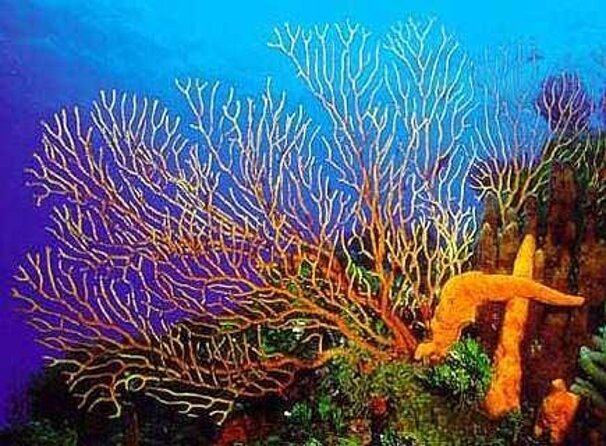
- UNESCO-protected Cozumel reefs: the island is protected and famous for reef walls, caves, and coral formations.
- Guide names you might recognize: feedback includes guides like Katy, Cesar, Jeff, Miguel, Louise, Jose, Itzel, Andres, and Al.
- Group limit stays small: the activity lists a maximum of 15 travelers, while the big boat can carry up to 16 divers.
- Rental gear is optional: tank gear is included, but equipment rental (if needed) costs extra.
Ferry to Cozumel: what this day really feels like
This outing is built around one simple idea: use the day efficiently. The schedule begins early (7:00 am) and you’re crossing from the mainland side to Cozumel by ferry. That crossing matters more than you’d think. It sets expectations for timing, gets you out on the water while conditions are often calmer in the morning, and removes a chunk of hassle compared with trying to coordinate transport on your own.
Once you’re on the boat, the day runs like a well-practiced routine. You’ll have time for an on-board briefing—either on the sundeck or in the shade—and then you head to the first reef stop. Between tank times, you get lunch onboard, plus bottled water and fruit.
I like this setup because it feels social but not chaotic. The boat is described as large enough to handle about 16 scuba participants comfortably, and the activity limit is listed at 15 travelers. In plain terms, that usually means you’re not being crammed into a tiny platform with no breathing room.
One more detail that can make or break your comfort: if you want to sit outside for briefing and sun between tank times, choose your spot early. The sundeck option is part of the experience, and a little planning helps you stay comfortable between cooler morning water prep and warmer midday breaks.
You can also read our reviews of more tours and experiences in Cozumel.
Palancar Reef stop: why it’s a smart first tank time
The trip’s first scheduled stop is Palancar Reef. Even if you’ve never been to Cozumel before, Palancar is one of those names that tends to signal high reef productivity and lots to look at underwater.
Here’s what you can realistically expect from Palancar in a structured, guided outing:
- A reef environment known for strong life density (fish, coral, and variety)
- Conditions that may include currents, which guides often use to help you move along the reef with less effort
- A high chance of seeing “wow” moments without needing technical navigation skills
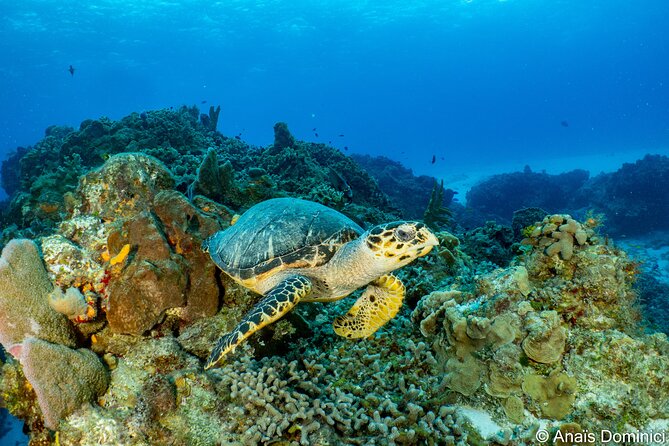
A strong hint comes from past experiences with this Cozumel operation: groups have reported seeing turtles and a manta ray on reef sessions, and the guide pacing can be geared to your speed. That matters because Cozumel reef diving (sorry—I’ll avoid the word) can be too fast if you’re not ready, or too crowded if the operator doesn’t manage the group well. With a good instructor, you should be able to enjoy it at your pace and not feel like you’re chasing someone else’s plan.
If you’re coming back after a long break from scuba, Palancar as the first stop can be a confidence-builder. It’s a location where the guide can help you settle in, check buoyancy control, and keep you comfortable right from the start.
The second Cozumel site: how the trip stays interesting
After the first reef stop, you’ll head back onboard for lunch between tank times, then go to a second Cozumel underwater area. The exact name of that second site isn’t provided in the details you shared, but the important part is this: the operator is explicitly taking you to two different Cozumel sites.
That’s a value point. If you do two sessions in the same exact area, you can end up seeing the same coral heads and fish patterns twice. With two separate sites, you give yourself a better chance at:
- Different reef structure and coral types
- Different swimming routes along the wall or reef profile
- A more complete “feel” for Cozumel rather than one narrow slice
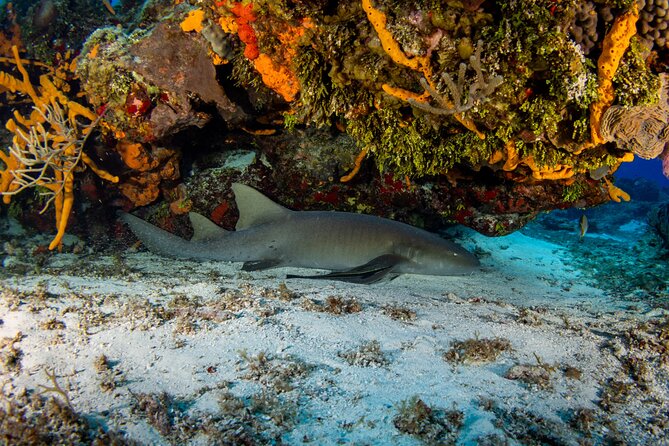
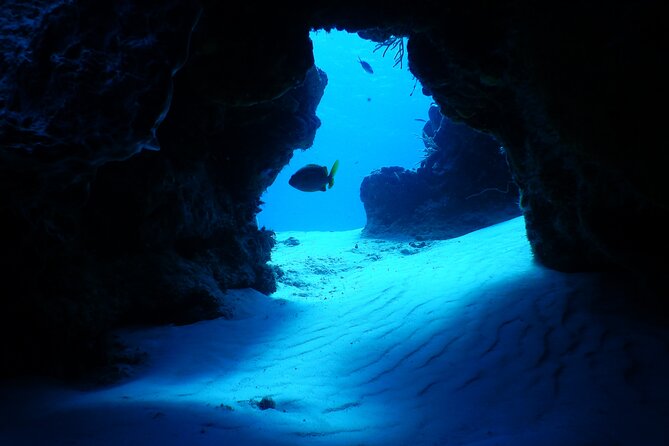
Cozumel is known for being part of the second largest barrier reef system in the world, and the area is a natural reserve protected by UNESCO since 2016. The notes you provided also point to why people travel there: caves, coral formations, and the chance for encounters like nurse sharks, eagle rays, and blacktip sharks.
Will you see sharks on every day? No one can promise that. But if you care about marine life variety, the two-site design is your best bet within a half-day schedule.
Boat comfort, briefing style, and why it matters more than you think
This experience uses a big boat that’s meant to accommodate up to 16 participants comfortably. Past feedback also mentions onboard crew doing food prep between sessions, and that changes the vibe from cold logistics to a more relaxed day.
The briefing is also designed to be flexible. You can enjoy it on the sundeck or take it more covered depending on how you feel in the morning. That’s not a small detail. When you’re half-cooled from sea air and still waking up, you’ll appreciate the chance to choose a comfortable spot.
Here’s what I’d pay attention to before you drop in:
- Ask for your route and expectations early if you want a specific pacing.
- If you’re a newer certified diver or you want a refresher, say so clearly at check-in.
- If you care about strong guidance (especially for current management), ask the lead instructor how they handle group spacing.
Past experiences have shown two extremes. One account described a situation where earlier sessions didn’t include much information until later, and guide communication felt disjointed after equipment tests. In contrast, other accounts highlight excellent instruction and clear communication, including guides like Katy and Cesar being very focused on safety and comfort.
So your takeaway is simple: show up ready with your certification details, and don’t wait for clarity to find you. Ask at the start of the day what you should expect for the first and second stops.
Lunch onboard, water, and the little details that keep you happy
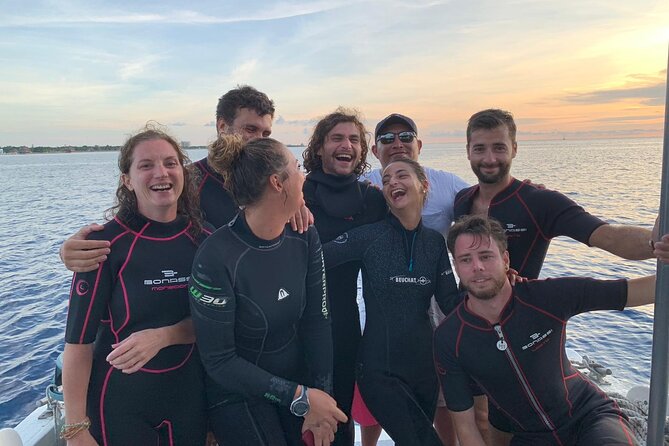
You get more than just “time in the water.” The boat includes lunch between tank times, plus bottled water and fruits. That matters because hydration and energy affect your comfort after the first tank time and your ability to enjoy the second.
One of the nicest things you can look forward to from past reports is that crew have made fresh guacamole and salsa as part of the break. That’s the kind of detail that makes the day feel like an actual outing, not just a checklist.
Food timing also helps. Doing your meal between two scheduled underwater sessions is much easier on your body than trying to eat too early before a morning platform period or too late when you’re already tired and chilled.
Practical note: bring a little patience for the rhythm. Boat days are never “instant.” Expect a wait here and there for boarding, gear checks, and transfer between the two stops. That’s normal at sea. Your enjoyment usually depends on whether you treat that time as part of the day, not a delay.
Gear and costs: what you pay extra for (and why)
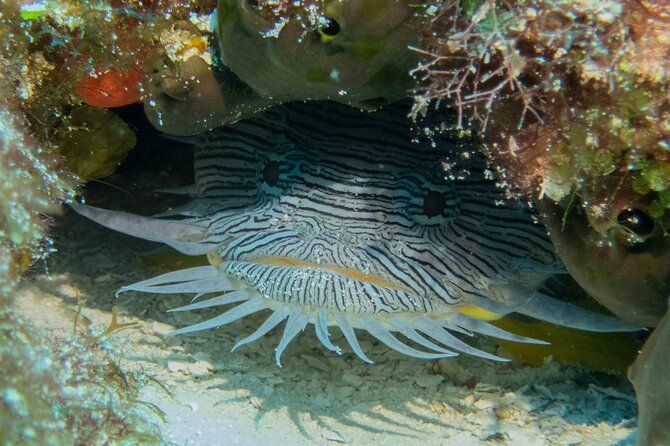
Here’s the pricing reality based on what’s listed:
- Included: tanks and weights, plus an instructor, bottled water, fruits, and lunch.
- Not included: public transportation ($55.00 per person) and equipment use ($20.00 per person).
Because the base tour price isn’t listed in your details, I can’t tell you your exact all-in cost. But you can still judge value properly.
What’s included is the expensive stuff
Tanks, weights, and professional guided supervision are the core cost drivers for any scuba operation. If you already have your own scuba equipment, you can keep your extra spending low and mostly pay for the instruction and logistics.
Add-ons can change the total fast
If you need gear rental, it’s an extra $20 per person. If you’re not getting included transportation to the start point, public transport is listed at $55 per person.
So the smart move is to check:
- Do you already own a full scuba kit that you’ll bring?
- Are you relying on the operator’s hotel pickup/drop-off described in the highlights, or are you expecting to cover transport yourself?
If you end up paying both transport and equipment rental, your total could jump. If you bring your own gear and you’re covered for pickup/drop-off, this looks like a strong value for a two-site, two-session reef day.
Who this suits best in Cozumel
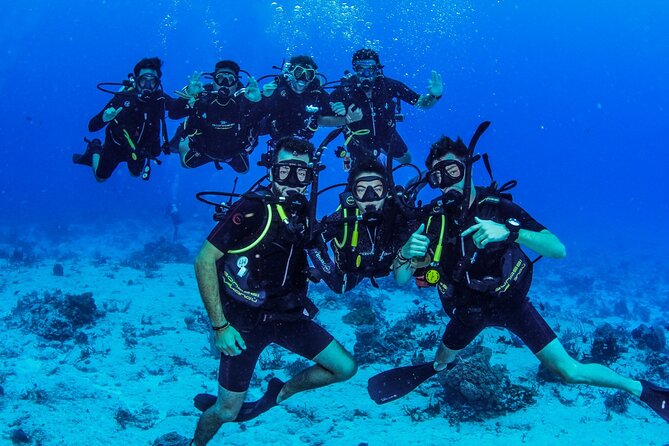
This setup is geared to people who want structured guidance and a meaningful amount of underwater time without a full-day commitment.
You’ll likely enjoy it most if:
- You’re Open Water certified and can share your certification details at check-in
- You want two different reef stops in one morning-to-afternoon rhythm
- You value an instructor who can keep you safe and help with comfort pacing
- You’re okay with early hours and boat logistics
It might be less ideal if:
- You require ultra-strict, perfectly synchronized briefings with no variance at all
- You’re extremely sensitive to changes in guide assignment or communication style mid-day
- You’re hoping for a long, slow exploration with lots of time on one single reef profile
The minimum age is listed as 10, and you must be able to provide Open Water certification details. That makes it a reasonable family option for older teens and motivated younger scuba students, as long as they meet the certification and medical requirements.
Medical questionnaire and timing rules: the practical stuff you can’t ignore
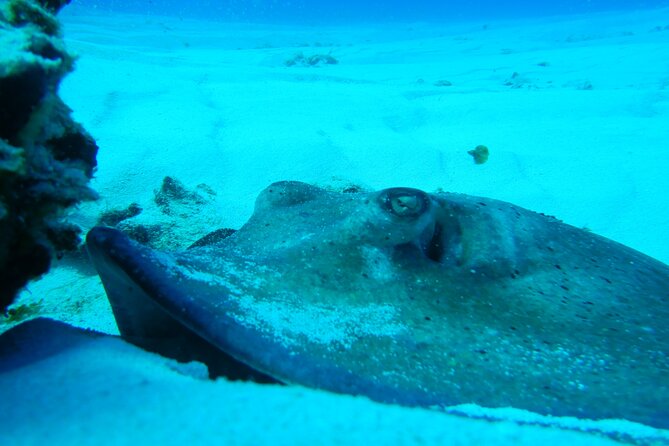
Before you go in the water, you’ll self-certify your health by completing the required medical questionnaire upon arrival, plus you’ll sign liability waivers. And there’s an important travel timing rule: you should wait at least 18 hours after your underwater sessions before flying.
These rules matter for safety and for travel planning. Even if you’re eager to get back to work or catch a flight, build in that cushion. It’s usually easier to adjust your flight than to try to squeeze around safety guidelines later.
Also remember: the experience requires good weather. If conditions are poor, you’ll be offered another date or a full refund.
Guide quality: what names hint about the service level
Past experiences for this company and its Cozumel operations include a long list of praised instructors and guides—names like Katy, Cesar, Jeff, Miguel, Al, Louise, Jose, Itzel, and Andres come up. Those names don’t guarantee you’ll get the same people on your date.
But they do suggest something useful: this is a center that has a reputation for experienced, personable guidance when communication is handled well. In one case, a guide helped the whole group feel safe, and in another, a guide delivered a proper briefing especially for a later session involving bull sharks.
That’s why I recommend this approach to you: ask one clear question at the start—what will the plan be for the first reef stop and the second?—and then confirm how the guide will handle pacing and safety checks for your group.
Should you book this Cozumel two-tank ferry trip?
I’d book it if you want a half-day reef plan with two different Cozumel reef stops, lunch onboard, and the comfort of having tanks and weights provided. It’s also a good choice if you like the idea of a guided day where you can focus on seeing marine life rather than managing logistics.
Skip it or reconsider if you:
- Need extremely detailed pre-briefing consistency and clear, early instruction every time
- Don’t want to handle extra costs like transport ($55 per person) or equipment rental ($20 per person)
- Are unsure about the medical questionnaire and health self-certification process
If you do book, go in prepared: bring your Open Water certification details, complete the medical form on arrival, and ask your lead instructor how the day will run before the first tank time. You’ll set yourself up for the best version of this trip: smooth boat pacing, a Palancar start, and a second reef area that keeps the day from feeling repetitive.
FAQ
Where does the tour start and when?
The meeting point is Dune Mexico Cozumel, Costera Sur Km 2.85 Zona Hotelera sur Cozumel Q.Roo CP 77600, and the start time is 7:00 am. The activity ends back at the meeting point.
How long is the experience?
It’s listed as about 5 hours.
What’s included in the price for the water time?
You get two boat sessions on two different Cozumel sites, dive tanks and weights, a professional and multilingual certified scuba instructor, and bottled water plus fruits on the boat.
What’s not included?
Public transportation is not included and is listed as $55.00 per person. Use of scuba equipment is also not included and is listed as $20.00 per person.
Do I need to be certified to join?
You must be 10 or older and provide details of your Open Water certification.
Will I need to complete any health paperwork?
Yes. You must self-certify your health levels by completing the required medical questionnaire upon arrival.
Is there a rule about flying after the activity?
Yes. You should wait at least 18 hours after your underwater sessions before flying on a plane.
Is there free cancellation?
Yes. You can cancel for a full refund up to 24 hours in advance of the experience start time, and cancellations are listed as free.