REVIEW · AUCKLAND
Auckland to Rangitoto Island Ferry
Book on Viator →Operated by Fullers360 · Bookable on Viator
Rangitoto is Auckland’s volcano day trip done right. This ferry-and-on-island experience is built around the Hauraki Gulf crossing and the chance to see Rangitoto’s lava fields and native bush up close. I especially like the guided tractor-pulled tram approach for covering big volcanic ground without turning it into an all-day grind, and I also like that the summit walk is optional. The main drawback to plan for is time and footing: the summit has boardwalk stairs and you may feel a bit rushed if you try to do everything.
What makes this outing work is the rhythm. You cruise out from central Auckland, then swap from boat to island transport, with commentary that ties the geology and conservation story together while you move through the cone’s rough terrain. The “easy pace” summit option is about an hour for the climb, and there are lookouts along the way plus a chance to detour toward the lava caves if you’ve got the energy and daylight.
One more practical note before you pack: there are no shops on Rangitoto, so bring your own snacks, water, and sunscreen. Food and drinks are available on the ferry, but once you’re on the island you’re on your own, including taking rubbish back with you since there aren’t bins.
In This Review
- Key highlights worth your attention
- Rangitoto’s cone in the Hauraki Gulf: what you’re really going for
- From Quay Street to the volcanic shore: ferry logistics that matter
- On the island: how the tractor-pulled tram improves your volcano time
- Summit hike and lava caves: how to choose your level of effort
- What to pack: food, water, sunscreen, and weather gear that actually helps
- Timing and return ferry safety: the real trick to enjoying the day
- Price and value: is $37.23 worth it?
- Who should book this Auckland to Rangitoto trip?
- Should you book this Fullers360 Rangitoto experience?
- FAQ
- Does the tour include the return ferry to Auckland?
- Is food available on Rangitoto Island?
- How long is the walk to the summit, and is it optional?
- Where do I meet the ferry in Auckland?
- How many people are in the group?
- What’s the cancellation deadline for a full refund?
Key highlights worth your attention
- Return Fullers360 ferry included from Auckland CBD to Rangitoto, so you’re not piecing together separate tickets
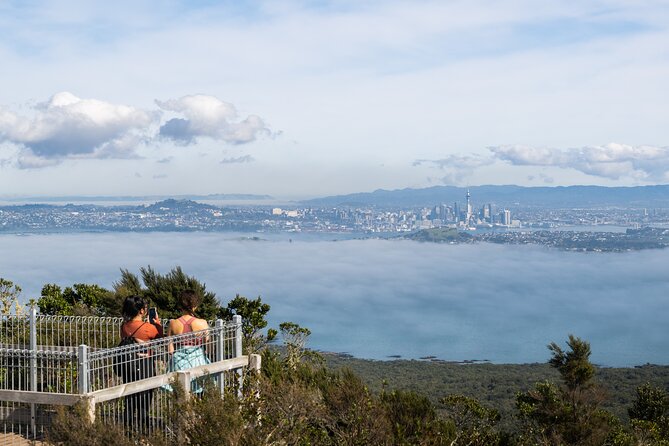
- Summit hike is optional (about an hour at an easy pace), with boardwalk stairs if you choose the top
- Guided tractor-pulled tram helps you see major volcanic points without walking every minute
- Leave time for lava caves detours, since the island stops are time-based and the return ferry is real
- Max 24 travelers keeps it from feeling like a floating cattle car
Rangitoto’s cone in the Hauraki Gulf: what you’re really going for
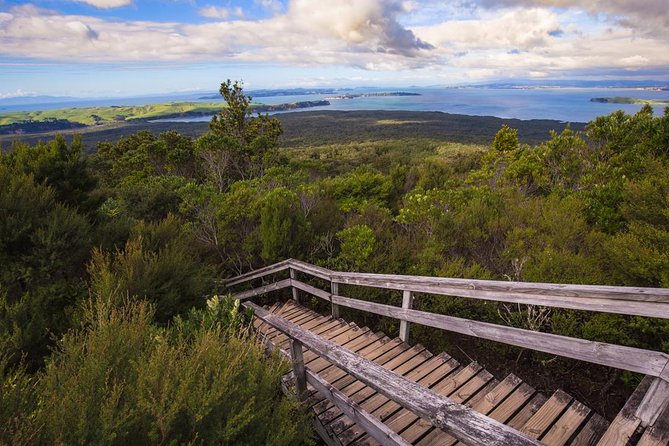
Rangitoto Island sits off Auckland in the Hauraki Gulf, forming a symmetrical volcanic cone that rises roughly 260m above the water. In plain terms: you’re going to spend a few hours on a young volcano that still looks like lava said hello and never left.
This tour’s value is that it balances two ways of seeing the island. First, you get transported through the lava fields and key viewpoints by tractor-pulled tram, so you don’t spend all your energy just getting to the interesting bits. Second, you can add the summit hike for the classic top-down view over Auckland’s harbor and the gulf.
The island also has a mix of rugged lava crops, native bush, and sandy coves, which means the experience isn’t just “rocks everywhere.” When you’re moving, the guide’s commentary about history and conservation adds context, especially for first-time visitors who want more than a quick photo stop. One guide name that shows up in praised experiences is Mark/Mac, noted for being both funny and strong on conservation and island history.
If you’re hoping for lots of indoor attractions, don’t. This is an outdoors volcano walk with sightseeing stops. The fun is in the terrain, the views, and the story of how a protected island is managed.
You can also read our reviews of more tours and experiences in Auckland.


From Quay Street to the volcanic shore: ferry logistics that matter
Your departure point is simple and central: the downtown ferry terminal on Quay Street in Auckland Central. The schedule runs about 4 hours total (approx.), built around a return trip back downtown at the end.
You’ll board a Fullers360 ferry to Rangitoto Island. The crossing is about 25 minutes, so this doesn’t eat your whole day. You get enough time to settle in, snap a few harbor photos, and start picturing the lava cone before you ever set foot on it.
Two logistics details are worth planning for:
- You’ll have a mobile ticket, but some sailings involve exchanging a voucher at a ferry terminal ticket window and then going to the correct pier to board.
- Pier numbering can be confusing on busy mornings. If you want stress-free boarding, give yourself extra time at the start and don’t assume the “first pier you see” is the one you need.
Also, the ferry is one place you can grab something to eat before island time. Since there are no shops on Rangitoto, that matters if you didn’t pack snacks.
On the island: how the tractor-pulled tram improves your volcano time
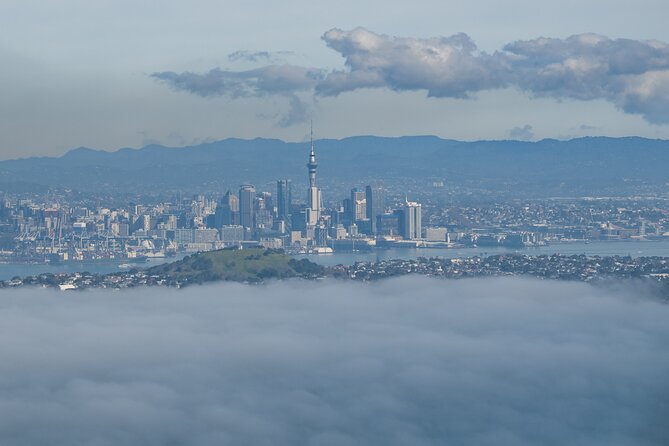
Once you’re on Rangitoto, the day shifts from boat pace to island pace. The core transport is a guided tractor-pulled tram, which takes you through the island to see major volcanic areas.
Here’s why this approach works for most people: Rangitoto is volcanic ground, not flat parkland. Moving by tram means you cover more interesting spots without requiring everyone to hike between them. It’s also a good match for mixed groups, like families with adults who hike and kids or relatives who prefer a slower pace.
The ride can be bumpy, because you’re traveling over rough terrain. I wouldn’t call it uncomfortable if you’re expecting it, but it’s not a smooth city trolley either. The upside is that the bumpy feel becomes part of the fun, especially if you think of it as part transport, part field trip.
During the tram portion, the guide typically shares commentary tied to what you’re seeing: geology, plant life, and the island’s conservation role. The guides who score highest seem to bring real energy here, including dry Kiwi humor, and they point out what to watch for so your photos won’t just look like “rocks and stairs.”
One tradeoff: because the transport and stops are scheduled around the ferry return, you may not have unlimited freedom to linger at every viewpoint. If you’re the type who likes to slow down for a long cave exploration, keep an eye on timing.
Summit hike and lava caves: how to choose your level of effort
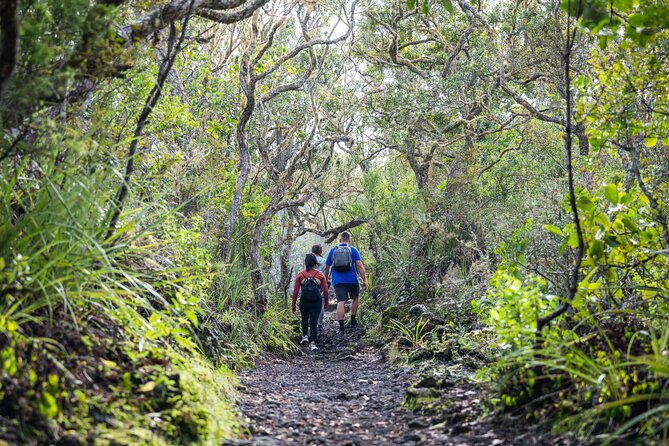
The summit is the headline. The walk to the top takes about one hour at an easy pace, with boardwalk stairs involved. Importantly, the summit walk is optional, so you can enjoy views from the base if you prefer not to climb.
If you do go for the top, wear supportive shoes. Rangitoto’s ground is volcanic lava rock, and surfaces can be uneven and slick. Some walkers end up with sore feet, and a few have mentioned slips when it’s wet. Good grip matters more than you’d think.
Also consider the “lookouts along the way” factor. The summit isn’t the only payoff. You’ll pass points where you can pause, take in the cone shape, and get that high vantage feeling without committing to the full top. That gives you flexibility if you’re trying to manage time.
Now the lava caves. You can detour to explore them if you have time, and the idea is that the summit route plus lookouts gives you the chance to branch off. But don’t treat the caves as guaranteed extra time. The overall trip is designed to get you back on the return ferry, and some people feel the day can get tight if they try for both summit and lots of cave exploring.
Weather can change the summit feel quickly. Wind is common in coastal places, and rain can turn the stairs and rock into a slippery challenge. If conditions are rough, I’d adjust expectations and focus on the views you can reach comfortably, rather than forcing a complete checklist.
What to pack: food, water, sunscreen, and weather gear that actually helps
This is where you win or lose a Rangitoto day trip. There are no shops on the island, and there aren’t bins on the island either, so plan to take your rubbish back with you. That sounds minor, but it affects what you bring and how you manage trash at the end.
At minimum, bring:
- snacks you’ll actually eat
- water (don’t rely on buying once you’re on the island)
- sunscreen
- a hat
If you’re visiting in heat, plan for sun and dehydration. Several experiences note that the stairs to the summit can include sections with more shade, but that doesn’t replace the need for water.
If you’re going when rain or wind is likely, bring a light waterproof layer. Some departures include ponchos being offered when weather turns wet. Even if you don’t get one, having your own rain protection keeps you from having to choose between staying dry and staying present.
One more comfort tip: think about your feet first. You’re walking on lava and boardwalk stairs. Supportive shoes reduce fatigue and lower slip risk compared to thin sandals or worn-out sneakers.
And don’t overpack heavy meals. You’re not sitting in a café for long stretches. A few snacks plus water is often more useful than a big lunch you won’t feel like eating.
Timing and return ferry safety: the real trick to enjoying the day
The tour is only about 4 hours total, and the return ferry is the clock you can’t change. The overall structure is designed to fit ferry travel plus island transport plus a possible summit walk.
So the practical question becomes: can you complete your plan without running late?
Here’s a safe way to decide your own pace:
- If you want the summit, treat the summit and lookouts as your main event. Add lava caves only if you’ve got a comfortable buffer.
- If you don’t want stairs, you can still enjoy the island from the base and transport stops without losing the best parts of the volcanic scenery.
Also, pay attention to where and when you need to board for the return. A few people have found the pier setup confusing on arrival and noted that it’s easy to go to the wrong place first. In plain terms: arrive early, ask staff for the correct boarding location, and don’t wander off while the group is figuring it out.
If your ferry includes a stop at Devonport on the return sailing, that can add a bonus moment for a quick stretch (some people have done additional hiking after). But don’t bank on it as part of your plan unless you see it on your specific sailing.
Price and value: is $37.23 worth it?
At $37.23 per person, the biggest value is that you’re paying for a full return ferry plus access to the guided island transport experience. That’s usually the hard part to stitch together on your own if you’re staying in Auckland for only a short window.
What’s not included is equally important:
- hotel pickup and drop-off
- food and drinks
So you’re basically buying your boat ticket and the island guided structure, then covering your own meals and snacks. Since there are no stores on the island, you’ll want to pack enough to stay comfortable, which is why the “bring food and water” advice isn’t optional.
Whether it’s a great deal depends on your style:
- If you want guided context, transport that reduces walking between sites, and summit views as an optional add-on, the price feels fair.
- If you already know the island well or you’re fine going entirely on your own on your own schedule, you might question the cost of organized time slots.
For most first-time Auckland visitors and casual hikers, this price is a strong match: you get a high-impact volcano outing without committing to a full day of planning.
Who should book this Auckland to Rangitoto trip?
This is a great fit if:
- it’s your first time seeing Rangitoto and you want a guided, structured experience
- you like short-to-moderate walks with big payoff views
- you want the island story tied to what you’re looking at, not just a silent wander
It’s less ideal if:
- you have trouble with stairs or uneven lava ground, since the summit walk involves boardwalk stairs and is optional but still physically demanding for those who choose it
- you need lots of time at every stop, because the day is designed around the ferry return
- you’re traveling with very limited flexibility for timing, since you’ll want to keep a buffer for weather and cave detours
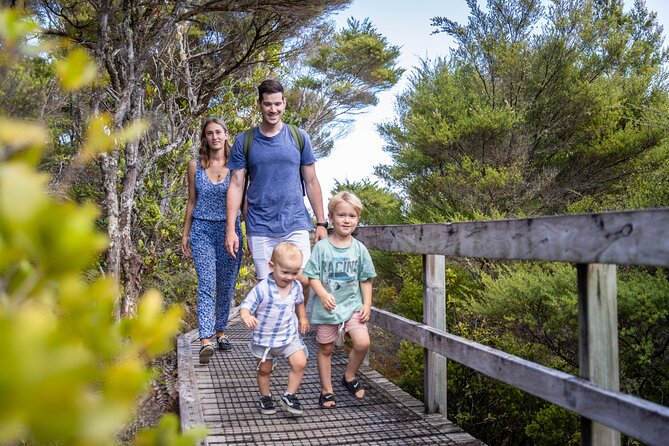
Families can work well too, especially if you treat the summit as optional and plan snacks and shade breaks. People often mention the combo of ferry + island transport + viewpoints as a good “everyone can participate” setup.
Should you book this Fullers360 Rangitoto experience?
I’d book it if you want a straightforward way to tick off Rangitoto from Auckland with a guided experience and an optional summit climb. The combination of ferry time, guided tractor tram coverage, and the chance to choose how far you hike gives you control without you doing logistics on your own.
Book with extra caution if your goal is heavy cave exploring or a very relaxed summit linger. The day is built around catching the return ferry, and volcanic terrain is not the place to run tight on time.
If you want a volcano viewpoint day that feels efficient but still authentic, this is a strong choice. Just pack like you’re going somewhere without a shop, wear grippy shoes, and give yourself enough time to enjoy the detours without stress.
FAQ
Does the tour include the return ferry to Auckland?
Yes. The experience includes a return Rangitoto ferry, and the activity ends back at the downtown meeting point.
Is food available on Rangitoto Island?
No. There are no shops on the island, so you should bring your own snacks and water. Food and beverages can be purchased on the ferry en route to Rangitoto Island.
How long is the walk to the summit, and is it optional?
The walk to the summit takes about one hour at an easy pace. The summit walk is optional, and you can enjoy views from the base instead.
Where do I meet the ferry in Auckland?
You meet at the Downtown Terminal, Quay Street, Auckland Central, Auckland 1010, New Zealand.
How many people are in the group?
There is a maximum of 24 travelers.
What’s the cancellation deadline for a full refund?
You can cancel up to 3 days in advance for a full refund. If you cancel within 3 days of the experience start time, the amount paid is not refunded.