REVIEW · AUCKLAND
Auckland: Tiritiri Matangi Island Ferry
Book on GetYourGuide →Operated by Explore Group New Zealand · Bookable on GetYourGuide
Birdsong starts the moment you arrive. A ferry trip to Tiritiri Matangi turns a day on the water into a close-up look at New Zealand’s native wildlife and conservation work. I especially like the chance to spot rare birds like kōkako and tīeke/saddleback, plus the standout photo moment at the oldest working lighthouse in New Zealand.
I also like how the island setup keeps things calm. The walking tracks run through regenerating native forest and down to quiet sandy beaches, with a real sense of space from the moment you step off the boat. If you bring swimwear and a towel, you can add a swim or snorkel to the day without feeling rushed.
The one drawback I’d plan around is time and effort. This is not a casual stroll-only outing, and food options on the island are nonexistent, so you’ll need comfortable shoes and your own lunch and snacks.
In This Review
- Key things to know before you go
- Hauraki Gulf Ferry: The ride is part of the experience
- Timing from Auckland vs Gulf Harbour (and why it matters)
- Stepping onto Tiritiri Matangi: A pest-free world for birds
- Walking tracks and bird sightings: How to make your time count
- NZ’s oldest working lighthouse: The iconic stop
- Beaches for swimming and snorkeling: Pack the right extras
- The live guide effect: Names I’d look for
- Price and value: What $65 buys you (and what it doesn’t)
- Pacing, comfort, and a couple of real-world snags
- Who this day trip fits best
- Should you book the Auckland to Tiritiri Matangi ferry trip?
- FAQ
- How long is the cruise to Tiritiri Matangi Island?
- What time does the trip run from Auckland?
- Do I need to bring food and drinks?
- Is there a swim or snorkeling option?
- What should I pack?
- Is the island accessible for wheelchair users?
Key things to know before you go
- Pest-free sanctuary: a safer haven where native species can flourish
- Oldest working lighthouse on Tiritiri Matangi
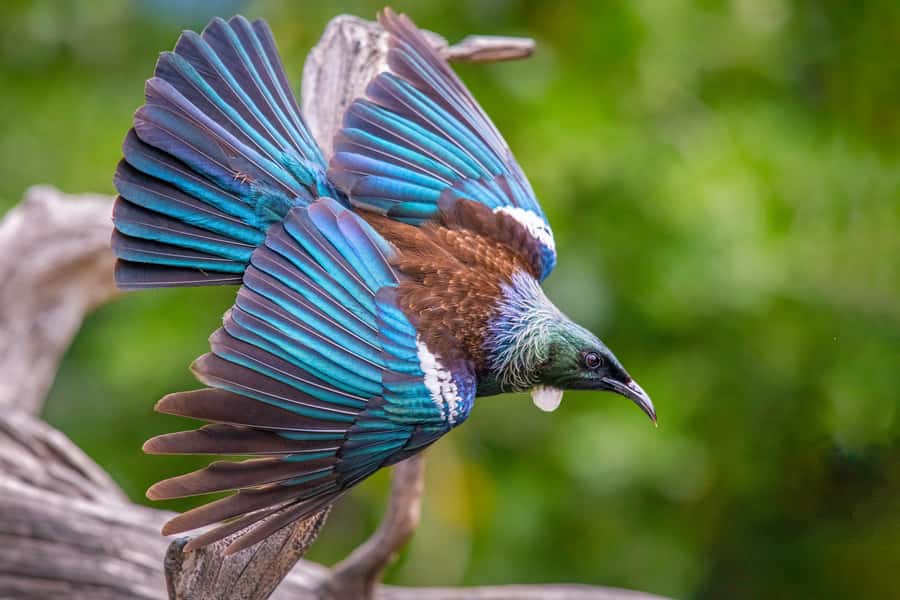
- Wildlife focus: kōkako, tīeke/saddleback, takahē, tuatara (and more)
- Hauraki Gulf cruise with easy viewing time (about 80 minutes from Auckland)
- Bring swim gear for beach time
- No on-island shops: pack a lunch in a sealed bag and container
Hauraki Gulf Ferry: The ride is part of the experience
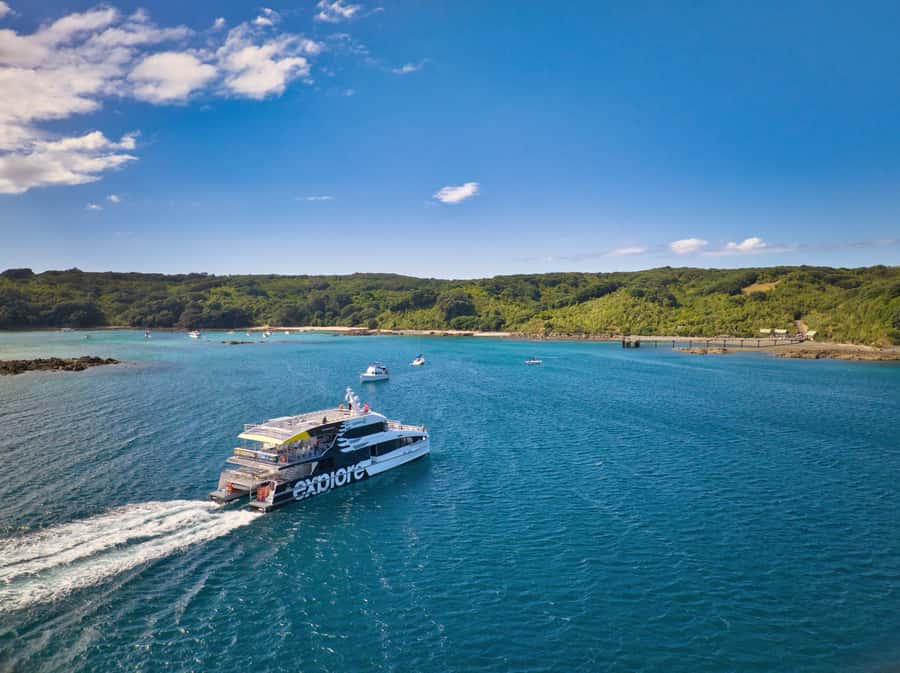
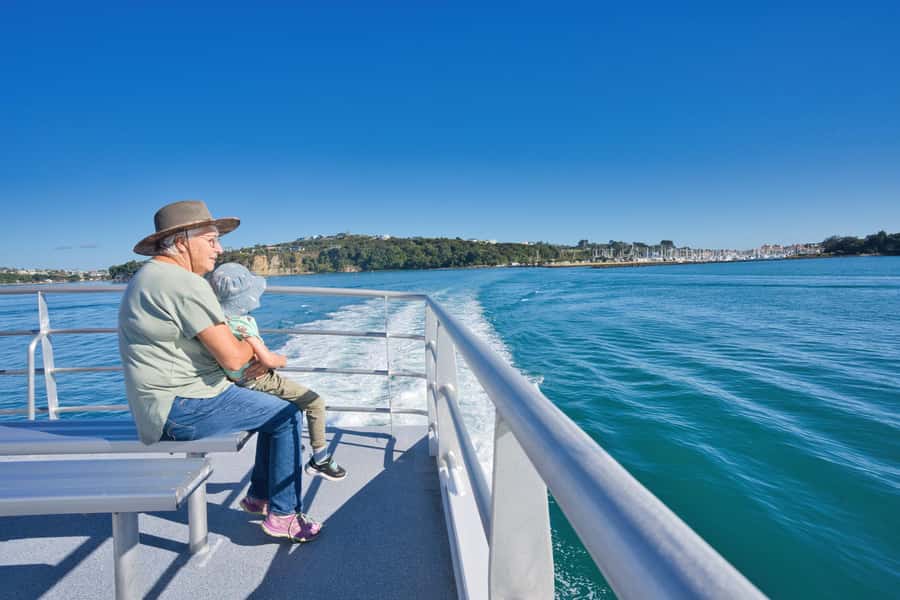
The day starts with a cruise across the Hauraki Gulf, aboard a premium fleet, with the water doing its job as the warm-up act. From Auckland (Viaduct area), you’re looking at about an 80-minute ride each way. From Gulf Harbour, the ferry time is much shorter at about 25 minutes each way, which can make a big difference if you want more hours on the island.
The atmosphere is laid-back. One review noted the ferry felt comfortable and safely run, and even mentioned onboard amenities like seating areas and toilets. Another added that there’s a bar for drinks and snacks, which is a handy option if you didn’t pack as much as you planned.
The best part for wildlife lovers: you’re already in the right mood for what comes next. Even if your big sightings land on the island, you’ll be watching the coastline, sky, and water as you approach. It’s hard not to feel like you’re leaving the city behind.
You can also read our reviews of more tours and experiences in Auckland.


Timing from Auckland vs Gulf Harbour (and why it matters)
This trip has two clear departure choices, and the timing changes your day more than you might expect.
On Wednesday to Friday, the Auckland departure is 9:00am, with a Gulf Harbour pickup later (9:55am), arriving at Tiritiri Matangi at 10:20am. The return leaves the island at 2:40pm, reaching Auckland at 4:00pm.
On Saturday, Sunday, and public holidays, the Auckland departure is 8:30am. You arrive at the island at 9:50am, and the return leaves 4:00pm, reaching Auckland at 5:20pm.
So here’s the practical takeaway: if you depart from Auckland, you get a longer scenic cruise and likely a little less total time on land than the later weekend window. If you depart from Gulf Harbour, you compress the water time and buy more walking time with every hour you save.
Either way, you’re aiming for a half-day to full-day experience. And you’ll want to arrive 30 minutes early so you can check in smoothly.
Stepping onto Tiritiri Matangi: A pest-free world for birds
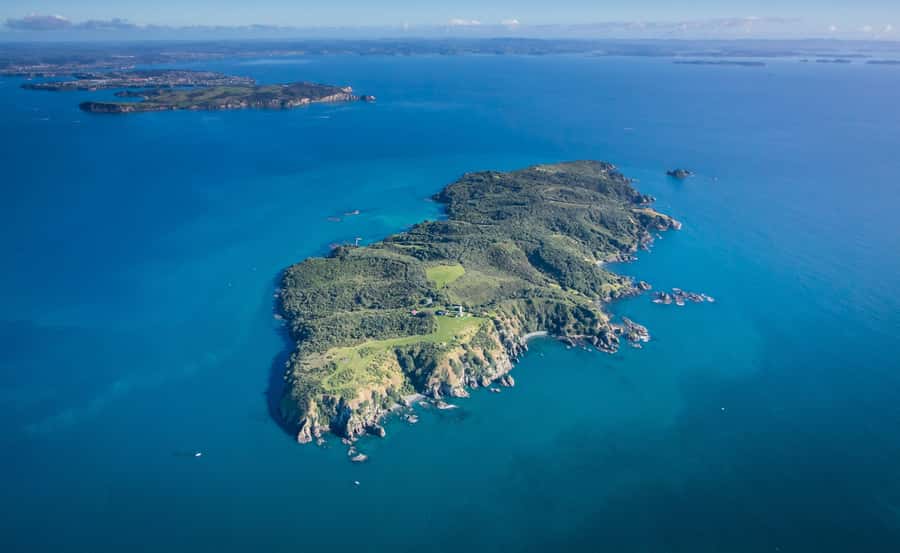
Tiritiri Matangi Island is famous for one key idea: it’s pest-free. That matters because it turns the island into a safe haven where native species can actually survive and increase. You’re not just visiting a scenic spot—you’re walking into a conservation project that’s designed for long-term results.
Once you start along the tracks, the vibe becomes quiet and bird-focused. Multiple comments point to listening for birdsong and spotting wildlife at close range. It’s common to hear the calls before you see the bird, and that rhythm is part of the fun.
The rare-species element is also real. The island holds precious populations of kōkako, tīeke/saddleback, and tuatara, and it’s one of the places where you have a genuine shot at seeing these animals in the Auckland region. Some people even mentioned strong bird sightings around areas with feeders and a bird bath, which suggests you may get better odds when you stay attentive in the right spots.
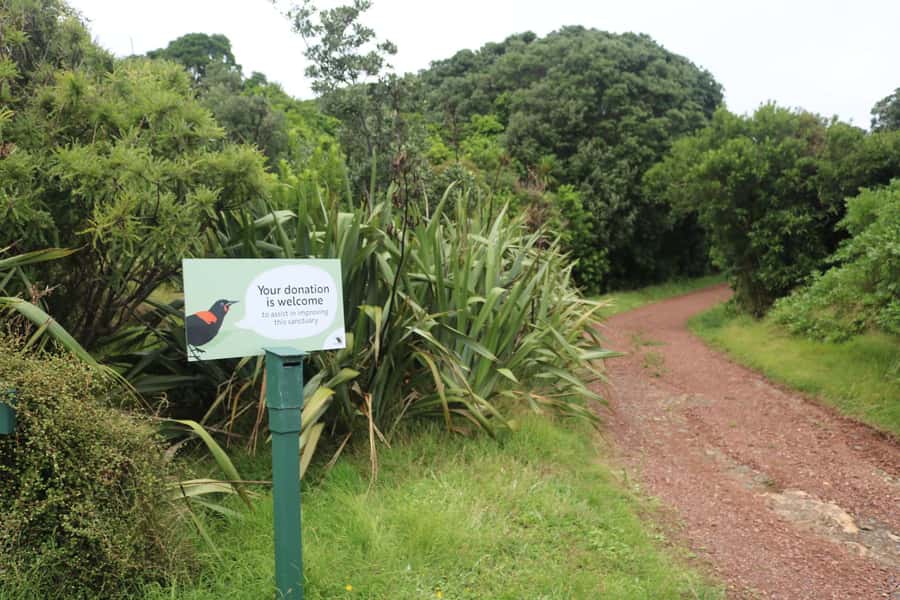
Also note what you’re allowed to do—and what you’re not. You can’t feed animals or touch plants. That keeps the ecosystem stable and helps protect the whole idea of a safe sanctuary.
Walking tracks and bird sightings: How to make your time count
The island is set up for wandering, and you’ll likely choose your pace once you arrive. You get access to the walking tracks, and the day is structured around free time to explore. Reviews repeatedly mention easy strolling and also mention how the walks add up, so treat this as a real nature day, not a casual picnic walk.
A few practical tips I think help:
- Wear comfortable shoes right out of the gate. The terrain is enough that you’ll feel it by the end.
- Bring a hat and sunscreen. You’re outside for hours.
- Stay flexible. If birds are active in one area, it can be smarter to pause than to rush toward the next viewpoint.
Track navigation can matter. One review suggested signage could be improved and noted that the Hobbs Beach and Hobbs Track section can be a bit confusing. Another person wished they’d had longer time on the island. Both point to the same lesson: give yourself mental room for a slower pace so you don’t spend your day getting turned around or feeling time pressure.
If you love birds, aim to linger. The most satisfying sightings are often the ones that come while you’re standing still long enough for the bird to return to view.
NZ’s oldest working lighthouse: The iconic stop
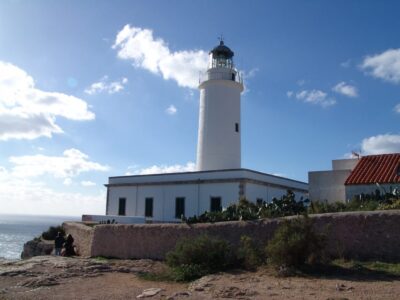
One of the biggest reasons people mark this trip as a must-do is the oldest working lighthouse in New Zealand on Tiritiri Matangi. Even if you’re not a lighthouse person, it’s a powerful anchor for the visit because it blends history with a living landscape and active conservation.
The lighthouse stop also gives you a natural break in your walking rhythm. You can build in a few minutes to look around, take photos, and reset before heading back onto the tracks.
And for bird fans, this moment can be extra satisfying because it’s often paired with sweeping views and open-air walking. One visitor called the overall experience peaceful and serene, and that lighthouse context tends to reinforce that feeling.

Beaches for swimming and snorkeling: Pack the right extras
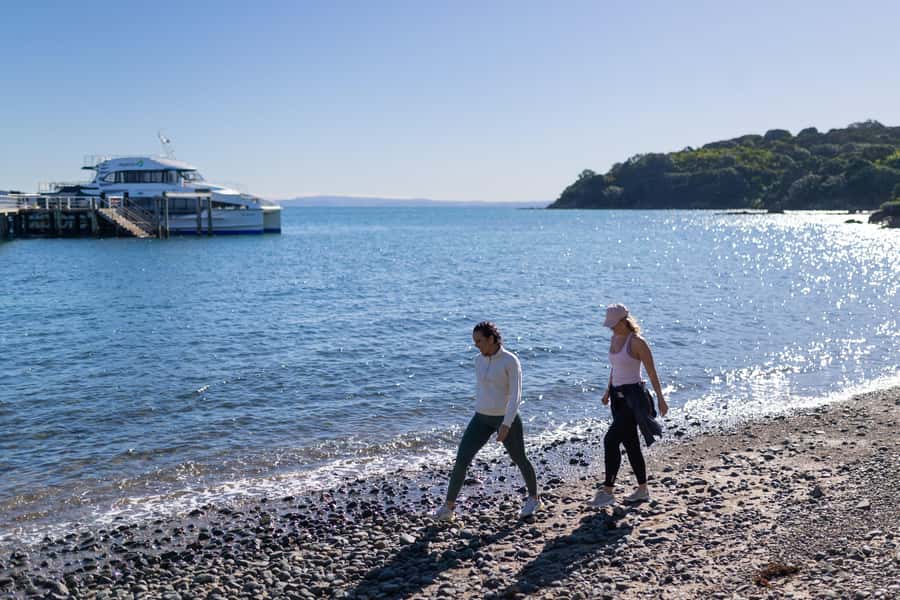
Tiritiri Matangi has quiet sandy beaches, and you can add swimming or snorkeling if you bring the right gear. The experience info is clear: bring swimwear and a towel.
I’d treat beach time as a reward after you’ve walked for a while. It’s also a good way to break up your day if you’re visiting with different energy levels in your group—some people want more track time, others want water time.
Also, because there are no outlets on the island, you’ll want your day packed and organized:
- Lunch and snacks need to come with you.
- Bring water and sunscreen.
- Use a sealed container and bag for food so it stays tidy and easy to manage.
Even if you don’t swim, the beach can still be worth it for that calm, open-air reset.
The live guide effect: Names I’d look for
This tour includes a live English guide, and the reviews make it clear that guides can change the whole day. The island is bird-heavy and fast-moving in terms of activity, so knowing where to look and what to listen for makes a difference.
A few guide names came up strongly:
- Vishnu was praised for strong wildlife and flora knowledge, and for keeping the group together so nobody felt left behind.
- Malcolm Pullan was highlighted as an incredible conservation ambassador with clear explanations about birds, plants, and island history.
- Tina stood out for friendliness and helping the group see lots of birds, including some rare highlights such as a tuatara sighting.
- Anne was noted for going the extra step with extra time and encouragement so the experience felt memorable and not rushed.
You don’t need to be an expert to enjoy this. You just need someone who can translate the island’s details into what you can actually spot with your eyes and ears.
Price and value: What $65 buys you (and what it doesn’t)
At $65 per person, this trip isn’t a cheap bus ride. But for what you’re getting—a round-trip ferry, access to the track network, a guided experience, and the chance to see species that are hard to find elsewhere nearby—it lands in the fair-to-good value range.
Here’s the value math that matters:
- You’re paying for transportation plus the island experience.
- The ferry time is meaningful: it’s not just a transfer.
- You’re visiting a pest-free sanctuary where conservation is the point, not just scenery.
What you should not expect is included meals. There are no shops on the island, so you’ll pay for food by packing it yourself (or taking advantage of the onboard ferry bar, if you want extra convenience). Also, the tour doesn’t include hotel pick-up or drop-offs, so plan on getting to the meeting area on your own.
If you like birds, wildlife, and structured nature time, $65 can feel like money well spent. If you mainly want beaches and don’t care about animal sightings, you might feel the price more than you’d like.
Pacing, comfort, and a couple of real-world snags
This trip asks for comfortable legs. People mention that it can be tiring, and at least one comment pointed out how a walking limitation (an injured ankle) made the outing less easy. Another noted that the walks are pleasant, but the time on the island can still feel a touch short if you want to explore every track.
Ferry conditions can add a twist. One review mentioned the ferry was windy but smooth and sunny—so bring practical clothing you can layer.
Also watch for small friction points:
- The booking process wasn’t smooth for at least one person on a phone or iPad.
- Some track sections may be confusing without good signage.
None of that is a deal-breaker. It just means you’ll enjoy the day more if you plan for weather, bring the right footwear, and don’t expect a zero-effort stroll.
Who this day trip fits best
This is a great fit if you:
- Want native wildlife and birdlife in a controlled, conservation-focused setting
- Enjoy walking tracks and don’t mind stopping often to watch and listen
- Care about seeing rare species like kōkako, tīeke/saddleback, takahē (when available), and tuatara
- Like the mix of nature + a memorable landmark (the lighthouse)
It’s likely less ideal if you want minimal walking, because the track time is part of the deal. It’s also not suitable for wheelchair users, based on the provided information.
Should you book the Auckland to Tiritiri Matangi ferry trip?
Yes—if you want a real nature day close to Auckland and you’re even slightly excited about birds. The combination of a ferry ride across the Hauraki Gulf, time on a pest-free sanctuary, and the oldest working lighthouse makes this more than a scenic outing.
Book it with confidence if you’re willing to do three things: wear good walking shoes, pack your lunch and snacks, and accept that the island rewards patience. Even when you don’t see every rare bird, the bird soundscape and conservation mission can still make the day feel special.
FAQ
How long is the cruise to Tiritiri Matangi Island?
From Auckland, the cruise time is about 80 minutes each way. From Gulf Harbour, it’s about 25 minutes.
What time does the trip run from Auckland?
On Wednesday to Friday, it departs Auckland at 9:00am and returns around 4:00pm. On Saturday, Sunday, and public holidays, it departs Auckland at 8:30am and returns around 5:20pm.
Do I need to bring food and drinks?
Yes. There are no shops on the island, so you should bring your own lunch and snacks (in a sealed container and bag).
Is there a swim or snorkeling option?
Yes. The beaches are suitable for swimming or snorkeling, but you need to bring swimwear and a towel.
What should I pack?
Bring comfortable shoes, a hat, swimwear, a towel, camera, snacks, sunscreen, and water.
Is the island accessible for wheelchair users?
No. The activity is listed as not suitable for wheelchair users.