REVIEW · MUMBAI
Mumbai City Tour with Ferry Ride and Dharavi Slum
Book on Viator →Operated by India Magic Tours · Bookable on Viator
Mumbai surprises you at every turn, and this day stitches it together with Dharavi and a coastal ferry. You start with a guided walk that shows how people live and work, then you roll through major Mumbai landmarks with commentary that helps you read the city instead of just taking photos. It is a full, no-nonsense day built around classic stops plus one of the most discussed neighborhoods in India.
I love the local guide factor: you get Q and A time and the pace can be adjusted when something feels more important to your group. I also love that the tour hits recognizable postcard Mumbai landmarks like Marine Drive and the Gateway of India, then pairs them with the everyday Mumbai you rarely see on your own.
One possible drawback: the day is packed, and Mumbai traffic plus heat can squeeze photo and walking time. Also, the ferry may not run during the monsoon season, so you should be ready for a swap.
In This Review
- Key things to know before you go
- Price and what $96 really buys you
- Getting around Mumbai: private vehicle, real traffic, and smart pacing
- Dharavi walking tour: what you will see and how to handle it respectfully
- Dhobi Ghat: the working laundry stop with limited time
- Hanging Gardens viewpoint: a quick reset with sunset potential
- Mani Bhavan Gandhi Museum: when your day gets context
- Oval Maidan: heritage architecture and the “classic Mumbai” backdrop
- Marine Drive: the famous curve and the people-watching angle
- Gateway of India and Colaba: from land to water at Apollo Bunder
- Chhatrapati Shivaji Terminus: the stop that makes you notice detail
- Town Hall: a quieter heritage moment if the route allows
- Guides, drivers, and the biggest factor you can control
- Who this tour suits best
- Small costs to plan for (so the day stays smooth)
- Should you book this Mumbai City Tour with Dharavi and a ferry ride?
- FAQ
- Is hotel pickup and drop-off included?
- How long is the Mumbai city tour?
- Is food included in the price?
- Are entrance fees included for the stops?
- Can I take photos during the Dharavi slum visit?
- What if the ferry ride is not operating during the monsoon season?
- If I book a late tour time, will I still see Mani Bhavan?
Key things to know before you go
- Private, guide-led structure so you can ask questions and move at your pace instead of being herded.
- Dharavi walk through residential and commercial areas with a 1 to 1.5 hour guided route.
- A short ferry cruise along the coast for a different angle on Mumbai, starting from Apollo Bunder.
- Gandhi at Mani Bhavan and major Victorian-era landmarks give the day balance beyond street scenes.
- Entrance inclusions are mixed: several sites include entry, but Dhobi Ghat does not.
- Monsoon can change the ferry plan (replacement viewing at Taj Mahal Palace hotel from inside or snacks).
Price and what $96 really buys you
At $96 per person for about 8 hours, this tour is priced like a full-service city day: pickup and drop-off, private air-conditioned vehicle, a local guide, bottled water, plus multiple site entrances and the ferry ride. That matters in Mumbai, because getting across town efficiently is half the battle.
What you still need to plan for is basic daily spending. Food and drinks are not included, and Dhobi Ghat entrance is not included either. If you want a smooth day, bring cash or a card for snacks, a sit-down lunch, and any extra fees that pop up at non-included stops.
From the reviews, the experience tends to feel like value when your guide is strong and the route stays on track. When timing slips, you can lose a chunk of the schedule fast—Mumbai traffic is real, and the day has enough moving parts that it adds up.
You can also read our reviews of more tours and experiences in Mumbai.


Getting around Mumbai: private vehicle, real traffic, and smart pacing
This is a private tour, so you are not sharing a vehicle with strangers. You also get hotel/port/airport pickup and drop-off, which saves time and stress. You will likely spend parts of the day in traffic, especially when moving between South Mumbai landmarks and areas closer to Dharavi and the waterfront.
You should plan your body and your expectations for heat and walking:
- Wear comfortable shoes because you will be stepping out for multiple short landmark visits.
- Bring water (bottled water is included, but you may want more).
- Dress modestly, especially for religious and heritage sites.
- If you get overheated easily, tell your guide early. The itinerary is flexible enough that good guides can adjust what you do and how long you stay.
One more practical note: photography is strictly not allowed at slums. That is not optional, so keep your phone away during that segment and follow your guide’s rules.
Dharavi walking tour: what you will see and how to handle it respectfully
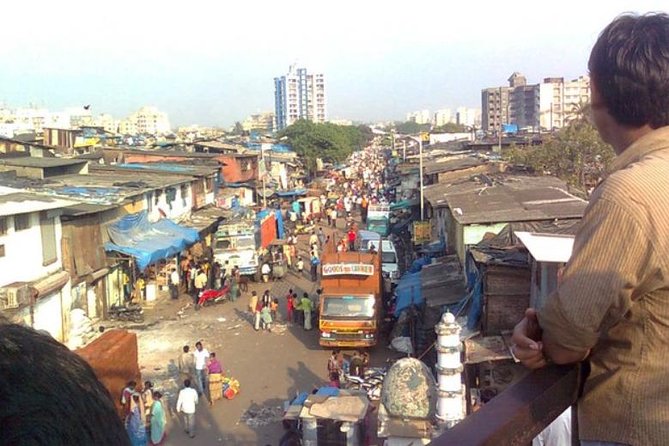
Dharavi is the centerpiece for many people, and it is also the most emotionally intense part of the day. You get a guided walking tour inside one of Asia’s biggest slum areas, typically 1 to 1.5 hours, with a look at both residential and commercial parts. The goal is not shock value—it is context. How people earn money, how daily life works, and how community spaces function all show up on the route.
Expect a dense, close-up experience. You will be walking through streets where homes and small businesses sit side by side, and you will see the kind of everyday practicality that makes statistics feel small.
Because this is a sensitive visit:
- Follow your guide’s instructions without arguing.
- Do not try to film or photograph inside the slum areas.
- Keep your questions human and respectful. A good guide will explain what is appropriate and what is not.
From guide stories in the reviews, people often highlight Dharavi as the moment that makes the whole day click. Names that came up include Divya, Rahul, and Kamlesh—each praised for knowing the area and handling the visit in a way that feels careful. The tour can be taught, not just toured, if you are open to learning in real time.
Dhobi Ghat: the working laundry stop with limited time
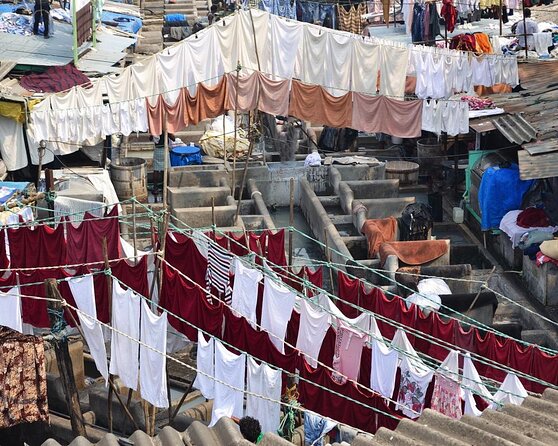
After Dharavi, you head to Dhobi Ghat, a unique Mumbai sight tied to traditional laundry work. The basic idea is simple: a dhobi collects dirty linen, washes it, and returns it neatly pressed. It is a working system that runs on small-scale service, and it is fascinating because it is not staged for visitors.
Time is short here—about 15 minutes—so you will not do a long observation mission. Also, Dhobi Ghat entrance is not included, so you should budget for any fee you are asked to pay on the day.
A tip: treat this like a visual and cultural stop, not a museum. If you want deeper understanding, use your guide’s commentary to ask how the system works and what has changed over the years.
Hanging Gardens viewpoint: a quick reset with sunset potential
Next up is Hanging Gardens on Malabar Hill (also known as Ferozeshah Mehta Gardens). This is one of those Mumbai moments where the city opens up for a minute. You get about 20 minutes, and it is timed well for skyline and coastline views.
It is free entry, so you can focus on the lookout instead of thinking about cost. The stop is also helpful as a mental reset after Dharavi. You move from tight streets into a more open, airy space where you can breathe and re-center.
If you are sensitive to walking on uneven garden paths, wear shoes with grip. Gardens sound easy until you are on hot stone under a tight schedule.


Mani Bhavan Gandhi Museum: when your day gets context
Mani Bhavan is the former residence of Mahatma Gandhi and now functions as a museum and reference space with books and a photo exhibition of his life. You get about 20 minutes, and entry is included.
This is one of the stops that tends to anchor the day. It gives you a thread to hold onto: social change, leadership, and the historical roots of today’s conversations. In the reviews, many people mention the Gandhi museum as a highlight, even for those who felt monuments alone were not enough.
Important timing detail: if you choose a tour slot after 4:00 PM, Mani Bhavan would not be shown. If Gandhi matters to you, pick a start time earlier than late afternoon.
Oval Maidan: heritage architecture and the “classic Mumbai” backdrop
Oval Maidan is a large open ground area surrounded by major historic buildings. You get about 20 minutes, and entry is included. The setting has Victorian neo-Gothic architecture from the 19th century, with heritage buildings on multiple sides.
This stop works well because it is still part of sightseeing, but it feels more grounded than a quick monument photo. You can look across the space and understand why this area is such a landmark in its own right.
A small reality check: this is open space, so sun and heat can hit you. If the day is hot, let your guide know if you want to keep moving instead of standing around too long.
Marine Drive: the famous curve and the people-watching angle
Marine Drive is one of Mumbai’s best-known stretches of coastline. You get about 25 minutes, and it is free to access.
What I like about Marine Drive in a tour like this is that it is not just a view. It is an easy way to connect the city’s energy to its geography. The boulevard is shaped like an upturned C along the coast for about 3 kilometers, so you get a strong visual rhythm to the skyline and water.
This is also where you can relax without committing to long museum time. If your legs are tired, you can still enjoy the scene just by taking in the curve and watching the street life roll by.
Gateway of India and Colaba: from land to water at Apollo Bunder
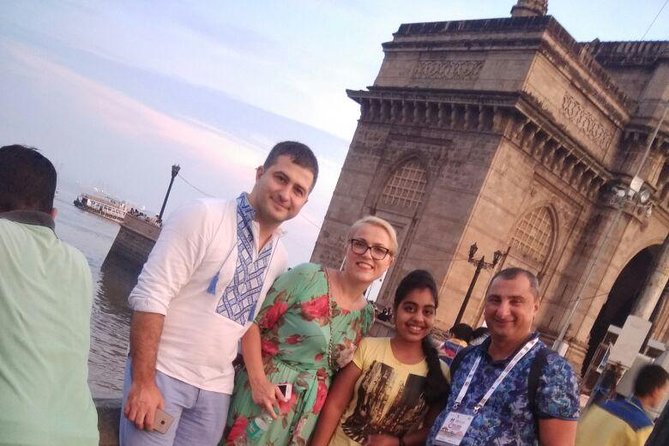
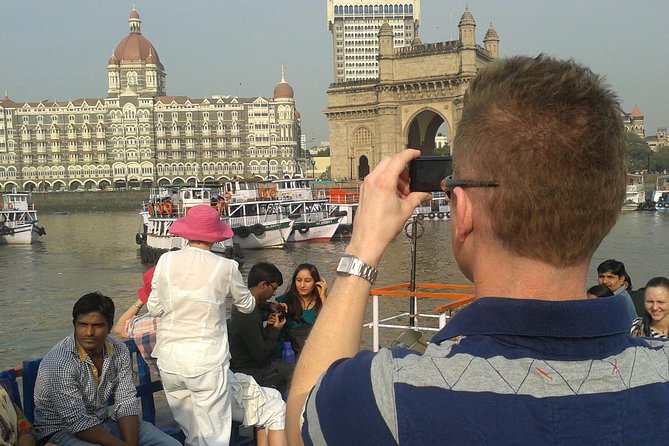
The Gateway of India is Mumbai’s most recognizable monument and a classic start point for many sightseeing routes. You get about 30 minutes, and it is free to visit. The arch was built to commemorate the visit of King George V and Queen Mary.
You will likely feel the “tourist magnet” energy here, but it still earns its spot because the Gateway gives you a sense of scale. It is where the city’s colonial past meets modern harbor life.
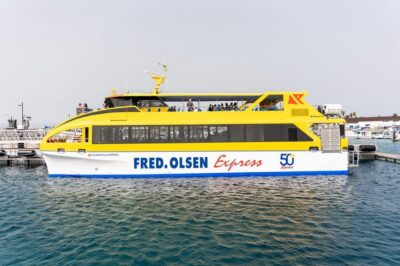
Then comes the payoff: the Colaba ferry segment. You ride a ferry from Apollo Bunder in Colaba and cruise along the city coastline for about 30 minutes. Entry is included, and this short water break is the best way to reset your perspective after all the road travel.
One key operational note: the ferry ride may not be operational during monsoon season from July 1 to September 15. In that case, the plan changes and you may get an inside view of the Taj Mahal Palace hotel or snacks provided. If your travel dates fall in those months, ask your operator about the backup plan before you lock in expectations for the water cruise.
Chhatrapati Shivaji Terminus: the stop that makes you notice detail
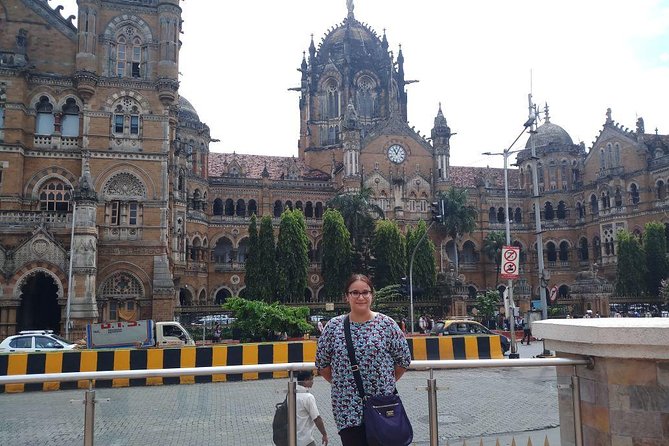
Chhatrapati Shivaji Terminus (formerly Victoria Terminus) is modeled in the style of St Pancras Station in London, with carved stone friezes, stained glass windows, and flying buttresses. You get around 15 minutes, and entry is included.
Even in a short visit, it is worth paying attention to why it is famous. This is not just a train station you walk past. It is a heritage building that rewards close looking, especially at the exterior stonework and window details.
Because the time is brief, focus on the building itself. If you start wandering randomly, you can lose the best viewing points quickly.
Town Hall: a quieter heritage moment if the route allows
Your day may also include Town Hall, described as one of the most majestic heritage structures in Mumbai. It is tied to the late Victorian architecture that shaped parts of Mumbai during the British era.
The schedule details here are less specific than other stops, so think of Town Hall as a bonus when timing allows. If you love architecture and can handle quick photo moments, it is a nice addition.
Guides, drivers, and the biggest factor you can control
The tour experience can rise or fall based on who is behind the wheel and who is holding the commentary. In the reviews, people consistently praise guides who:
- Know the neighborhood well
- Make the Dharavi visit feel sensitive and well explained
- Customize around interests when possible
Some guide and driver names that came up in reviews include Divya, Vishal, Rahul, Kamlesh, Kirtan, and drivers like Vikrant and Pradeep, plus Mr. Pathak. The common thread is confidence in explaining what you are seeing and staying on top of the day’s flow.
Here is the part you can control: communicate early. If you have strong preferences like extra time at Marine Drive, more explanation at Gandhi, or you want a specific local food stop, tell your guide at the start. Several reviews mention the best tours adjusted around interests, like adding time for local dishes.
Also be realistic about what can be skipped. Some reviews complain about rushed pacing when things went off schedule, and others mention the heat affecting how long people stayed outside. That is normal in Mumbai. A strong guide will still try to protect the core experience—especially Dharavi and the major landmarks.
Who this tour suits best
This tour fits well if you want one day to cover the essentials:
- Classic Mumbai highlights (Gateway of India, Marine Drive, Hanging Gardens)
- A historical anchor (Mani Bhavan)
- A major local reality check (Dharavi walk)
- A different vantage point (ferry cruise from Apollo Bunder)
- A heritage architectural highlight (Chhatrapati Shivaji Terminus)
You should choose something else if you are:
- Looking for a slow, low-stress day with long museum time
- Not comfortable with crowded walking environments
- Uncomfortable with the reality and emotions that come with visiting an area like Dharavi
Moderate physical fitness helps, because you are walking and stepping out repeatedly through the day.
Small costs to plan for (so the day stays smooth)
Even though several entrance fees are included, you should still budget for:
- Food and drinks (not included)
- Dhobi Ghat admission (not included)
- Any extra snacks if the ferry swap happens during monsoon
- Souvenir photos (available to purchase, but not included)
If you want a stress-free day, carry a little cash, especially for small admissions and snacks, since not everything is wrapped into the upfront price.
Should you book this Mumbai City Tour with Dharavi and a ferry ride?
I recommend booking it if you want maximum learning per hour and you value a real contrast between Mumbai’s famous skyline and the lived-in city. The best version of this day is guided, respectful, and time-managed—especially around Dharavi and the ferry segment.
I would be careful if you are traveling in monsoon months and the ferry is a must-have for you. Ask what the replacement plan will be for your exact date. Also, pick your time slot wisely: if Mani Bhavan matters, don’t choose late afternoon after 4:00 PM.
In short: it is a strong one-day intro to Mumbai when you want both the icons and the reality behind them, without spending your entire time stuck in planning and transport.
FAQ
Is hotel pickup and drop-off included?
Yes. The tour includes pickup and drop-off from your accommodation, as well as from the port or airport.
How long is the Mumbai city tour?
It runs about 8 hours (approx.).
Is food included in the price?
No. Food and drinks are not included.
Are entrance fees included for the stops?
Some entrance fees are included (for example Dharavi, Mani Bhavan, Oval Maidan, and Chhatrapati Shivaji Terminus), while others are not. Dhobi Ghat admission is specifically listed as not included.
Can I take photos during the Dharavi slum visit?
No. Photography is strictly not allowed at slums.
What if the ferry ride is not operating during the monsoon season?
The ferry ride may not be operational from July 1 to September 15. In that case, the tour provides an alternative such as showing the Taj Mahal Palace hotel from inside, or snacks would be provided.
If I book a late tour time, will I still see Mani Bhavan?
If you select a tour slot after 4:00 PM (16:00 HRS), Mani Bhavan would not be shown.