REVIEW · TARIFA
From Marbella: Tangier Day Trip with Ferry, Camel & Souks
Book on GetYourGuide →Operated by Lost in the Souk · Bookable on GetYourGuide
Tangier hits fast, even in ten hours. This trip layers a ferry crossing, a guided city tour, and a camel ride along the Atlantic.
You start in Marbella, transit to Tarifa, and return the same day—so you get a real feel for Tangier without turning it into a long trip.
I especially like the contrast you get in one day: Ville Nouvelle European architecture on the drive, then the hilltop Kasbah with its symbolic Islamic design. I also like how the souks are organized by specialties, which makes browsing and shopping easier to manage on limited time.
One watch-out: it’s a full day, with about six hours in Tangier plus walking in old neighborhoods and a camel ride, so wear shoes you trust.
In This Review
- Key highlights to look for
- Tangier in One Day: What Makes This Trip Worth It
- From Marbella to Tarifa Ferry: The Day Starts Before You Think
- Arrival in Tangier: A Guided Start That Keeps You From Getting Lost
- Ville Nouvelle and European Architecture: Tangier’s Cosmopolitan Side
- California District Drive and the Royal Palace Area
- Perdicaris Park Photo Break and the Road Through Coastal Vegetation
- Cap Spartel and the Atlantic Coastline: Lighthouse Views and Big Geography
- Camel Ride Along the Atlantic: The Experience Part of the Day
- Kasbah District: Hilltop Streets and Symbolic Architecture
- Medina and Souks: Specialty Shopping With a Map in Your Head
- Former American Legation: A Diplomatic Stop With a Long View
- Food Included: Breakfast and Lunch Without the Decision Fatigue
- Transportation and Comfort: Air-Conditioned Minivan Helps a Lot
- Price and Value: Why $648 Can Make Sense (If You Hate Logistics)
- Who This Trip Suits Best
- Should You Book This Marbella-to-Tangier Day Trip?
- FAQ
- How long is the day trip from Marbella?
- Where are the pickup and drop-off locations?
- How do you travel between Marbella and Tangier?
- How much time do you spend touring Tangier?
- Do I need a passport?
- What meals are included?
- What language will the guide speak?
Key highlights to look for
- Ferry rhythm from Tarifa: smooth timing, with about one hour each way.
- European vs. old Tangier: Ville Nouvelle and the California District by minivan.
- Cap Spartel coast views: the northwestern tip of mainland Africa and lighthouse outlook.
- Kasbah maze effect: uphill streets and an architecture lesson built into the walk.
- Souks by specialty: spices, leather, olives, antiques, and more, organized by area.
Tangier in One Day: What Makes This Trip Worth It
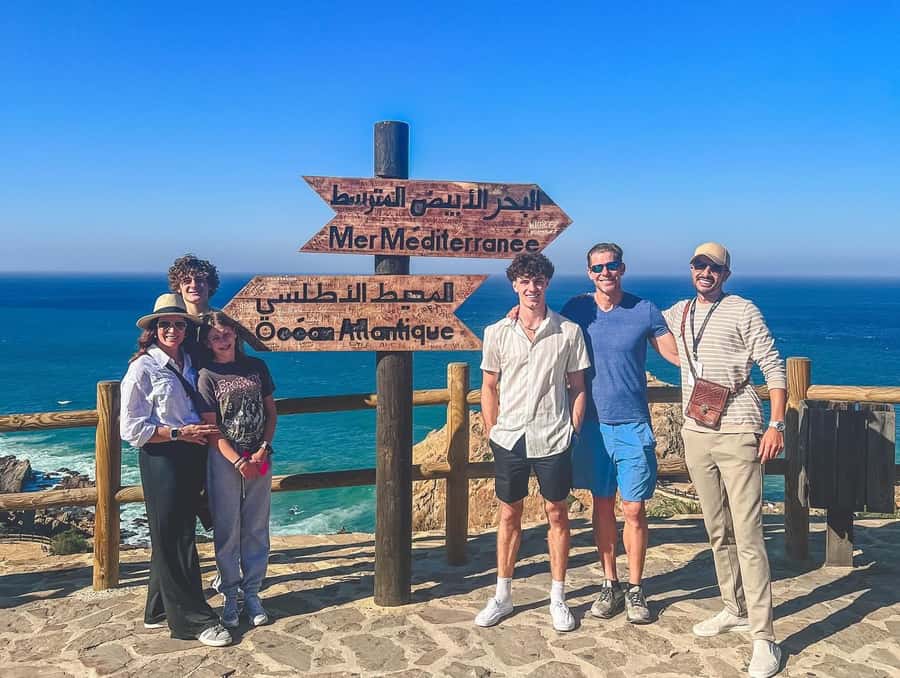
A day trip can feel rushed. This one doesn’t try to do everything—yet it still gives you a strong Tangier snapshot. The main reason it works is the structure: you’re not just dropped into the Medina and told to figure it out. You get a guided rhythm that mixes drives, short stops, and walking, with time for the sights that most visitors miss.
The other smart part is balance. You’ll see the European footprint of Tangier in the Ville Nouvelle, then switch to older, local Tangier in the Kasbah District and Medina. That contrast matters because Tangier isn’t one “thing.” It’s a crossroads city, and the architecture and street life reflect that.
Finally, you’re getting more than viewpoints. You’ll do the camel ride along the Atlantic coastline. That’s not just a photo moment—it’s one of those experiences that helps you understand how Tangier’s geography shapes daily life and local leisure.
A few more Tarifa tours and experiences worth a look

From Marbella to Tarifa Ferry: The Day Starts Before You Think
Pick-up happens in Marbella-area hotels (the options listed are Marbella or Estepona), and the day is built around the ferry crossing from Tarifa. Plan on an early start, because the overall duration is about 10 hours, with a round-trip ferry schedule and a guided day in Tangier.
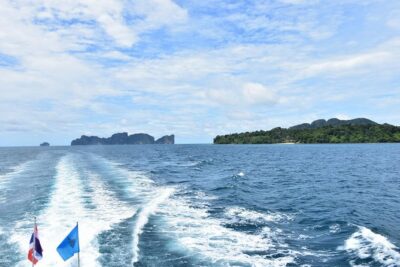
You’ll be picked up from your accommodation, then driven to Tarifa port. Once there, you board the ferry that takes you to Tangier (about one hour). This is a big deal for value and comfort. Instead of you researching schedules, buying tickets, and timing connections, the whole transport chain is handled for you.
A practical note: the information you have to bring is simple—your passport. And since this is ferry travel, you’ll want it accessible from the start of the day.
Arrival in Tangier: A Guided Start That Keeps You From Getting Lost
When you arrive in Tangier, your guide meets you at the port. From there, you head out in an air-conditioned minivan for a sightseeing tour around the city for roughly six hours, before returning to the port for the ferry back to Tarifa and the drive home.
This matters because Tangier can feel confusing if you arrive and immediately wander. Having a guide right away helps you get your bearings fast—what neighborhoods are for, how the city is laid out, and what you should pay attention to as you move from coast to hills to the Medina.
Also, the guide brings context while you’re in motion. You’re not just looking at buildings; you’re learning why the city looks the way it does and how different communities have lived side by side over time.
Ville Nouvelle and European Architecture: Tangier’s Cosmopolitan Side
One of the most interesting parts of this tour is the focus on Ville Nouvelle. This is where you’ll learn about Tangier’s European architecture through the drive. You’ll also pass places connected to the idea of a cosmopolitan city—where Muslims, Christians, and Jews lived in peaceful coexistence.
In plain terms: this is how you understand Tangier beyond the postcards. Instead of thinking of it only as “the Medina,” you see how the city expanded, how foreign influence showed up in design, and how neighborhoods can feel completely different only a short distance away.
There’s also a visual payoff. When you’re traveling by minivan, you can cover more ground with less fatigue, especially before you start walking in the older parts of town later.
California District Drive and the Royal Palace Area
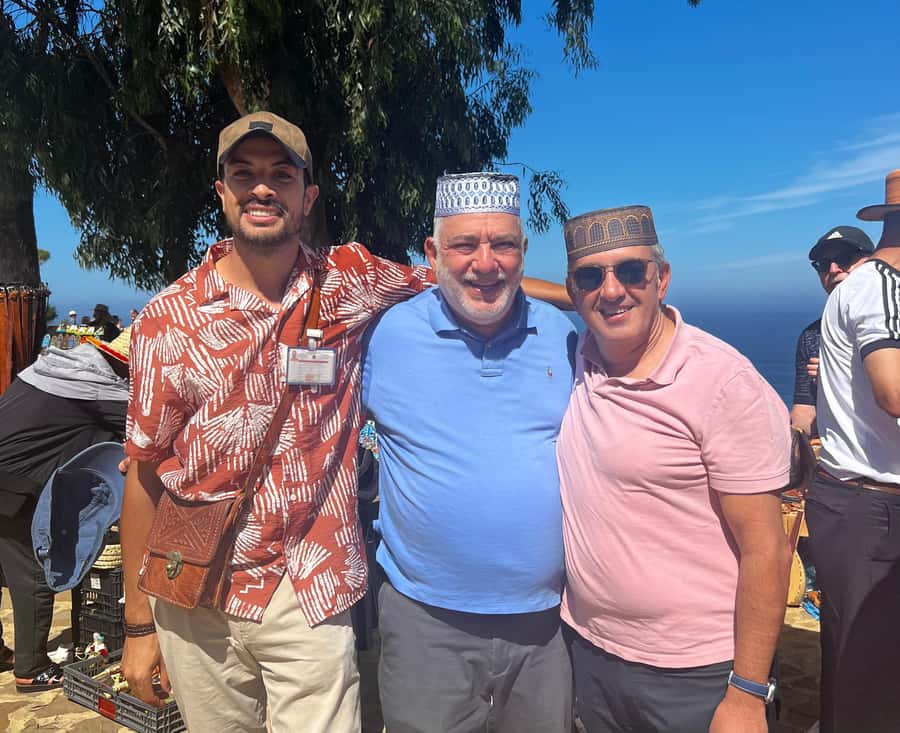
Another drive highlights the California District, known for fancy villas, mansions, and palaces, including the Royal Palace area. You’re not going to walk through it as a dedicated “royal tour,” but the vehicle tour gives you perspective on how the city holds both old and new identities at once.
This is a useful stop for your mental map. It helps you understand that Tangier’s skyline and wealth zones aren’t hidden behind the Medina—they’re part of the same urban story. Even if you’re not visiting interiors, seeing the contrast makes the later alleyway walking feel more meaningful.
If you enjoy architecture and planning, you’ll likely appreciate that the tour frames these areas as part of a larger picture instead of random sightseeing.

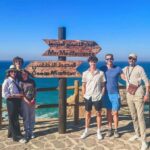

Perdicaris Park Photo Break and the Road Through Coastal Vegetation
As the day turns west toward the coastline, you’ll drive along a winding road through a mix of eucalyptus, mimosa, cypress, and umbrella pine. The route is described as sea-sprayed and “spongy” in feel—basically, you’re getting a break from city scenery before you hit the coast viewpoints.
You also get a short break for taking pictures in Perdicaris Park. This is a small moment, but it’s the kind of timing that keeps a long day from turning into constant movement. You’ll have a chance to pause, look around, and reset before the next leg.
Don’t underestimate these breaks. With any day trip, your enjoyment depends on your ability to breathe between key moments.
Cap Spartel and the Atlantic Coastline: Lighthouse Views and Big Geography
At Cap Spartel, you’re at the northwest point of mainland Africa. The tour description puts it front and center: you’ll look out toward the coast of Spain and see the lighthouse on the cliff.
This is one of those “how close two continents really are” moments. Even if you’ve seen maps before, the physical reality hits different when you’re standing near the water with sea wind and a wide horizon.
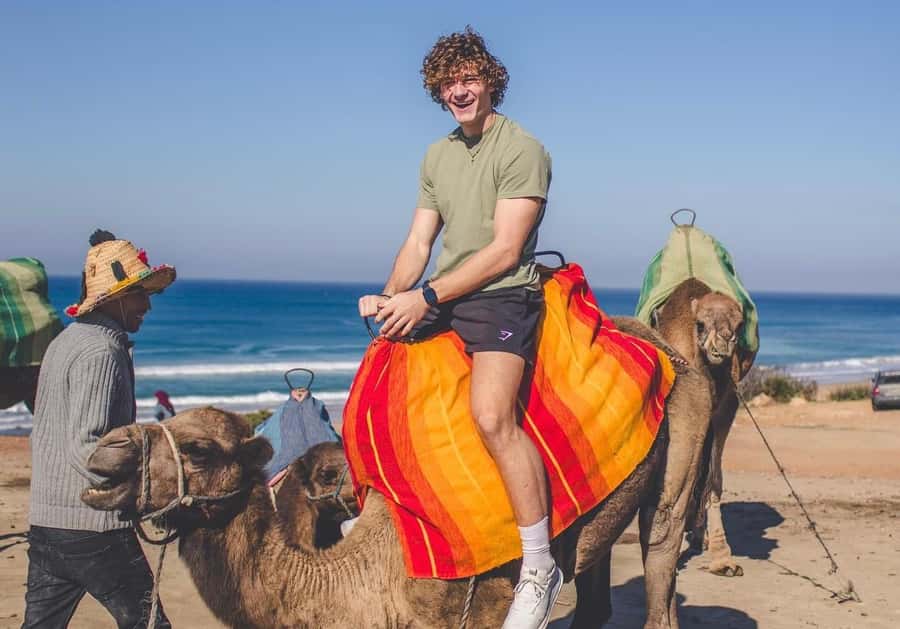
Then you continue along the Atlantic coastline and reach the spot where the camel ride takes place. That coast-to-animal pairing works well because you’re already in the right setting. You’re not just doing a ride somewhere vague; you’re positioned where the Atlantic atmosphere is part of the experience.
Camel Ride Along the Atlantic: The Experience Part of the Day
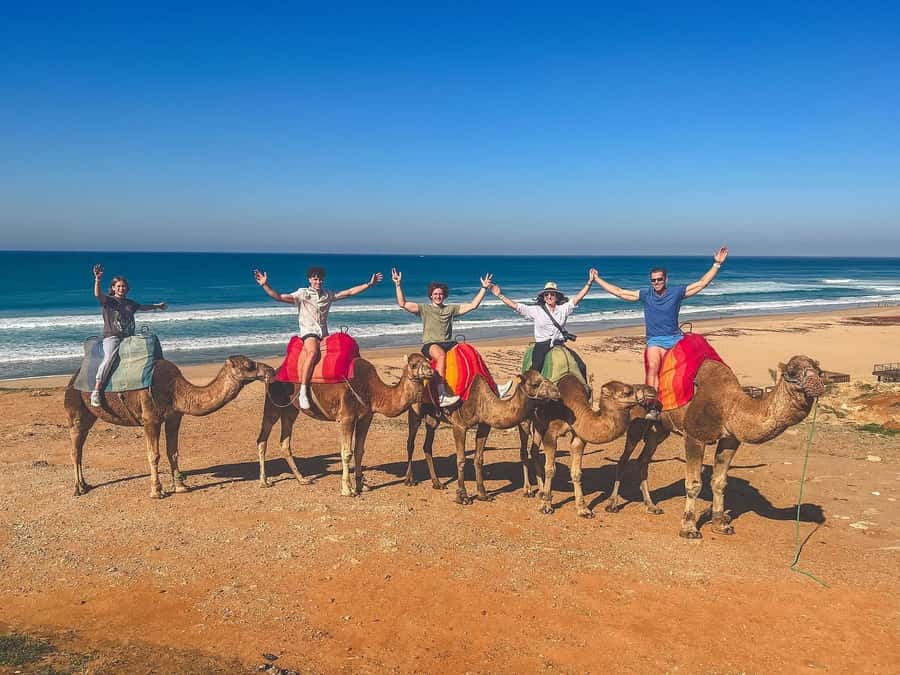
The camel ride is a core highlight of this trip, and it happens after the Atlantic coast driving. Expect it to be short and structured enough for a day schedule, not an all-afternoon excursion.
What I like about including it is the way it changes the texture of the day. The tour isn’t only about buildings and streets. It has a sensory experience—movement, height, and the change in footing compared to walking through the Medina and Kasbah.
A practical consideration: you’re going to be on foot in the older districts later, so treat the camel ride as a purposeful add-on, not the time to wear new or uncomfortable shoes elsewhere.
Kasbah District: Hilltop Streets and Symbolic Architecture
After the coast segment, the tour heads back to the Kasbah District, built uphill overlooking the Strait of Gibraltar, the Iberian Peninsula, and the Medina. This part is where the day becomes very Tangier.
You’ll meander through the intricate alleyways to the Kasbah main square. And the guide doesn’t just point out buildings. You’ll learn how Islamic religion is expressed through architecture and how the symbolism shows up in everyday design decisions.
That kind of explanation can turn a “pretty street” into something you can actually interpret. You start to notice patterns—how the city is layered, where streets open up, and how layout creates privacy and movement control.
If you like cultural context, this is one of the best-value portions of the day. The Kasbah is the kind of place where you’ll get more out of the hour if you have someone framing what you’re seeing.
Medina and Souks: Specialty Shopping With a Map in Your Head
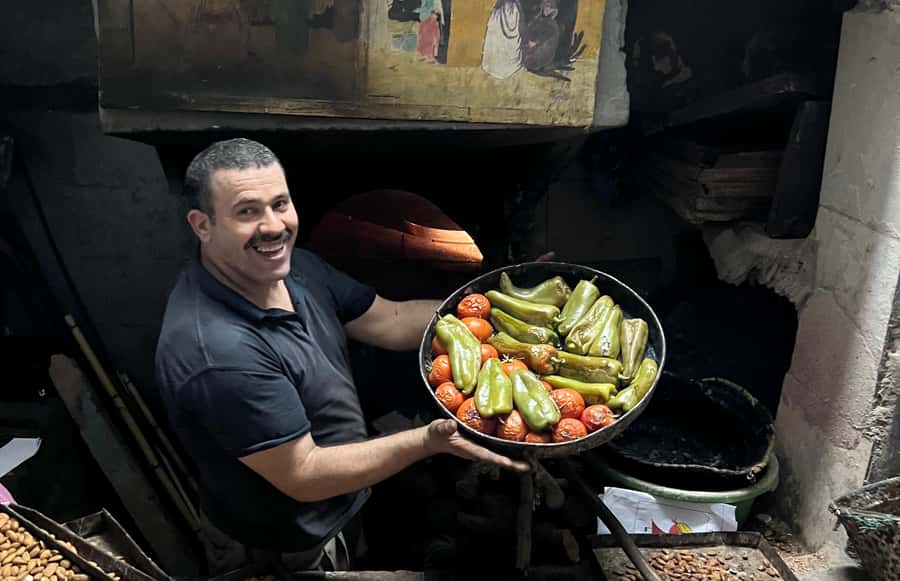
Then you move into the Medina for cafes, shops, and the souks. The tour focuses on the preserved heritage of locals, including communal oven or bakery, mosques, and hammams.
That’s the right set of details for a day trip. You’re not only seeing architecture; you’re seeing clues about how daily life continues in the old city.
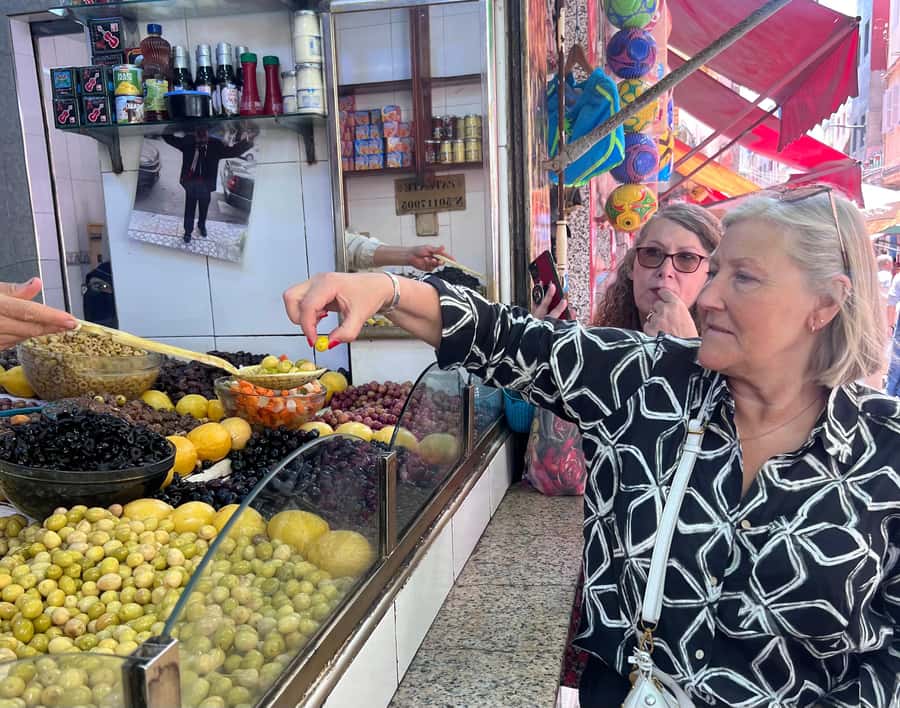
The souks are presented as organized into sections by specialty: spices, antiques, vegetables, olives, leather, chandeliers, and more. That organization is more than useful—it changes how you experience the Medina. Instead of “wandering until you’re tired,” you’re able to follow interests: you can browse spices, then drift to leather, then check antiques without feeling lost.
One extra advantage: your guide’s presence makes it easier to ask questions and understand what you’re looking at. In the guide-led parts of this trip, that human context shows up in how the day is narrated, not just how it’s moved.
Former American Legation: A Diplomatic Stop With a Long View
Depending on the flow of the day, you may visit the former American Legation. This site is described as the first official overseas administration and a witness to long-established diplomatic relations between Morocco and the United States.
It’s not a “must-see museum stop” in the usual way. The value here is perspective. If you’ve enjoyed the European and cosmopolitan themes earlier, this reinforces that Tangier has been internationally connected for a long time.
Even if you’re not a history buff, it helps to understand why Tangier developed the way it did and why so many different influences show up in the city’s identity.
Food Included: Breakfast and Lunch Without the Decision Fatigue
Food is included—breakfast in Tangier and lunch. That removes one of the biggest headaches in short day trips: you shouldn’t have to hunt for a decent meal while also trying to meet timing for sightseeing and transport.
You still want to be flexible with what’s served, since the specific type of food isn’t detailed here. But the planning is clear: you’ll have at least two meal moments during the Tangier day.
This kind of inclusion is a quiet value booster. If you’ve ever planned a day trip, you know how quickly food costs add up when you’re stressed and trying to keep a schedule.
Transportation and Comfort: Air-Conditioned Minivan Helps a Lot
During the Tangier sightseeing portion, you’ll travel in an air-conditioned minivan. That matters in hot months or after a lot of sun exposure, especially when you’re later walking in areas with narrow alleyways.
Also, using a single vehicle for the drive segments keeps the day from turning into constant transfers. You’re covering Ville Nouvelle, the California District, the coastal road, Cap Spartel area, and then the hilltop Kasbah and Medina zones.
The tour is also private-group style. You won’t be competing for attention in a crowded group setting, and your guide can pace the day around your party.
Price and Value: Why $648 Can Make Sense (If You Hate Logistics)
This day trip is priced at $648 per person and lasts about 10 hours. For many people, that number will look high at first glance—until you break down what’s actually included.
You’re getting:
- Round-trip ferry tickets from Tarifa to Tangier (and back), each about one hour
- Round-trip transfers from your accommodation in Marbella (or Estepona)
- An air-conditioned minivan for the Tangier sightseeing segment
- A personal guide in Tangier
- Camel ride experience
- Breakfast in Tangier and lunch
That’s a lot of services bundled together: transport, guide time, and the specific camel add-on. If you tried to build this yourself, you’d spend time coordinating ferry timing, local guides, and what to do once you get off the boat. And you’d still have to manage “where do we go next” while keeping the day realistic.
So the value equation depends on your style. If you love independent travel, you might find cheaper ways to cobble together parts. If you prefer a guided day with minimal friction—this is paying for convenience plus the experiences that are harder to assemble quickly.
Who This Trip Suits Best
This is a strong fit if you:
- Want a first-time Tangier overview with structure
- Like architecture, city contrasts, and guided storytelling
- Are curious about both the Atlantic coastline and the older neighborhoods
- Prefer not to wrestle with ferries, timing, and local navigation on your own
It’s less ideal if you:
- Don’t enjoy a full schedule with walking and uneven old streets
- Need wheelchair accessibility (this tour isn’t suitable for wheelchair users)
Language options are also worth noting: guides work in Arabic, English, and Spanish. And in past outings, guides such as Hamid and Mohammad have been noted for charm and cultural knowledge, with clear explanations of cultural and social life.
Should You Book This Marbella-to-Tangier Day Trip?
If you want Tangier in one focused day—ferry, guided city framing, camel ride by the Atlantic, Kasbah alley time, and souk browsing—this is an efficient choice. The price is steep, but it’s steep for the right reasons: transport + guide + camel experience + meals are bundled, which removes the most annoying parts of planning.
I’d book it if you’re traveling with limited time in the area and you want your day to run smoothly. I’d think twice if you’re hoping for a relaxed pace or you dislike structured itineraries and short stops.
If you can handle a long, active day and you’re excited by the city contrast—European facades by minivan, then old Medina streets on foot—this trip is a very practical way to make Tangier count.
FAQ
How long is the day trip from Marbella?
The total duration is 10 hours.
Where are the pickup and drop-off locations?
Pickup and drop-off are available at accommodation in Marbella, with an option for Estepona as well.
How do you travel between Marbella and Tangier?
You drive to Tarifa port, take the ferry to Tangier (about 1 hour), and return the same way after the Tangier visit.
How much time do you spend touring Tangier?
You’ll have a guided sightseeing tour in Tangier for about 6 hours.
Do I need a passport?
Yes. A passport is required for ferry travel.
What meals are included?
Breakfast in Tangier and lunch are included.
What language will the guide speak?
The guide can speak Arabic, English, or Spanish.