REVIEW · NAPLES
Amalfi Coast by Train & Ferry with Smart Digital Guide
Book on GetYourGuide →Operated by inStazione · Bookable on GetYourGuide
The Amalfi Coast, minus the rental car headache. This full-day route strings together train to Salerno and ferry time to Amalfi and Positano, so you spend more hours looking at the water than fighting traffic. I also like that you get meaningful free time in both towns to wander at your own pace, not just snap photos and rush on. One big consideration: when boats run late, the day can feel tight, and the return timing can leave less cushion if you arrive at the last minute.
You start at Napoli Centrale, then your inStazione concierge guides you through the day and hands over tickets, a water bottle, and a map for Salerno’s port. The included audio guide covers multiple languages, but it may feel more like a basic support tool than a full narration, so plan to use your phone and common sense too.
In This Review
- Key Things I’d Focus On
- From Napoli Centrale to Salerno Port: Simple, But Stay Alert
- Porto Concordia Ferry Ride: The Amalfi Coast in Motion
- Amalfi Free Time: Wander Time, Not a Checklist
- Positano Leisure Time: Views Plus Street-Level Decisions
- Back in Salerno: A Worthwhile Reset (If You Use It)
- Timing, Weather, and the Art of Not Missing the Boat
- Smart Digital Guide + Audio: Helpful, But Bring Your Own Readiness
- Value: What You’re Really Paying For
- Who This Amalfi Coast Day Trip Fits Best
- Should You Book This Tour?
- FAQ
- How long is the tour?
- What route does the tour follow?
- Where is the meeting point?
- How do you get from Salerno station to the port?
- Are Amalfi and Positano included with time to explore?
- Is there free time in Salerno too?
- What languages are available for the audio guide?
- What languages does the host or greeter speak?
- Is this tour wheelchair accessible?
- What is the cancellation policy?
Key Things I’d Focus On
- Train + ferry routing: It’s built for easy connections between Naples and the coast towns.
- Port-to-town walking: You’re only about 500 meters from the station to Porto Concordia in Salerno.
- Real town time: You get free exploration in Amalfi, then again in Positano.
- Timetable sensitivity: Delays can eat into your onshore time, especially on the way back.
- Audio guide availability: Languages are covered widely, but documentation can feel thin.
From Napoli Centrale to Salerno Port: Simple, But Stay Alert
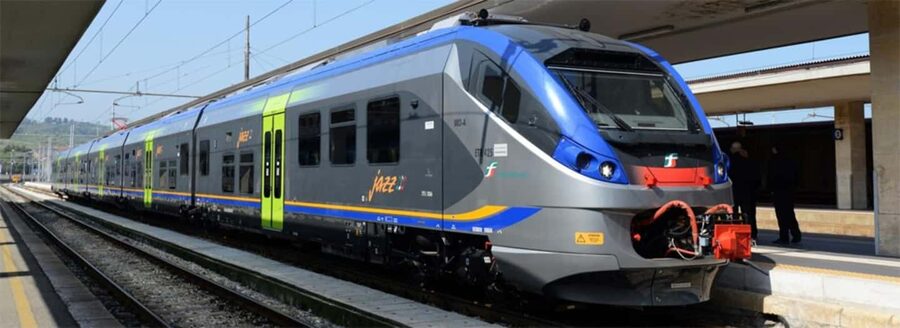
This tour’s flow is designed to feel straightforward: start in Naples, ride the train to Salerno, then switch to the ferry network that serves the coast towns. You meet at a location that can vary by booking, with coordinates around 41.90128707885742, 12.501575469970703 as a reference point. Then you’ll be welcomed by an inStazione concierge in English or Italian, who shares practical instructions for the day.
What I like here is the built-in “connect-the-dots” support. You’re not left guessing which ticket is which or how to get from the station to the boats. You receive a bottle of water, a map to reach the port of Salerno, and all your travel tickets.
On the ground, the handoff is clear: once you arrive at Napoli Centrale and move through the day’s first steps, you head by train to Salerno, then walk about 500 meters from the station to the harbor area called Porto Concordia. That short walk is a big deal. If you’ve ever traveled in Italy and found yourself sprinting between mismatched transport points, you’ll appreciate how tight this leg is.
Practical tip: build in a little buffer for boarding. Even when a connection is “scheduled,” real life can run slow—especially if you’re traveling during high season.
You can also read our reviews of more guided tours in Naples
Porto Concordia Ferry Ride: The Amalfi Coast in Motion
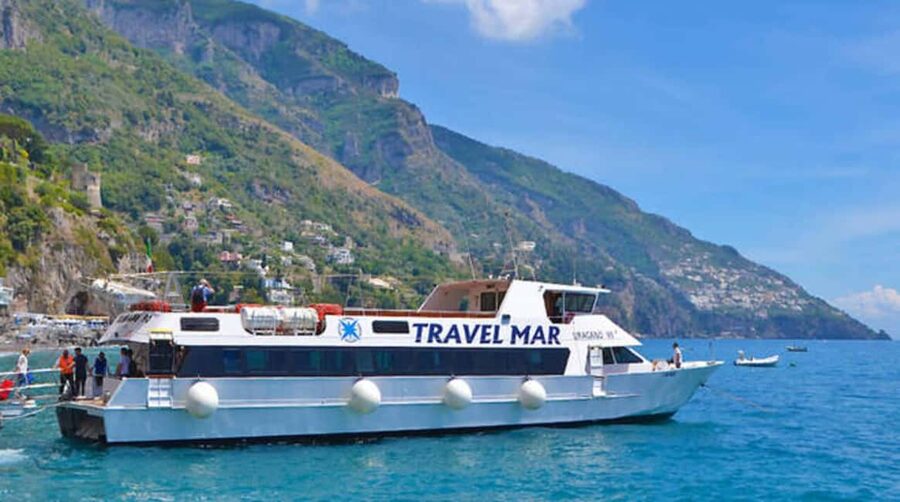
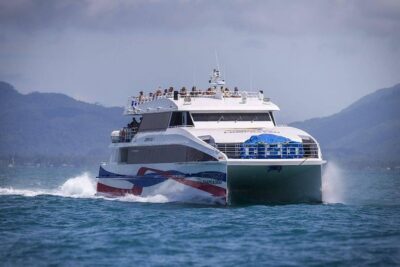
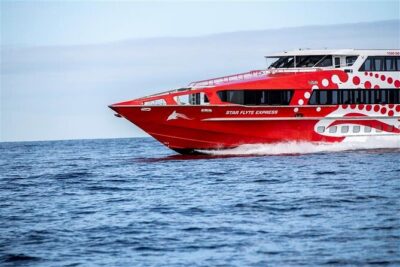
After the quick walk to Porto Concordia, you board the ferry and start the real show: the coastline unfolds as you travel by sea. This is one of those days where the transport method is the attraction. You get long stretches of water views, plus that sense of doing the Amalfi Coast the way it’s meant to be done—by hopping between towns along the shore.
The itinerary includes a cruise that first puts you in the zone for Amalfi, with time to explore there before you return to the boat for the next hop to Positano. Then, after Positano, you head back to Salerno and wrap up with the train ride to Naples.
Here’s the honest consideration: ferry timing is the most fragile part of the day. Several experiences point out that boats can be late, which cuts into your free time at each stop. This matters because the tour depends on smooth transitions between boat departures and your return train schedule.
Practical tip: when the ferry is boarding, treat it like it’s already “leaving early.” Don’t wait until you see the crowd move. Get to your assigned boarding area early and stay near the group, so you’re not chasing down announcements when they happen fast.
Amalfi Free Time: Wander Time, Not a Checklist
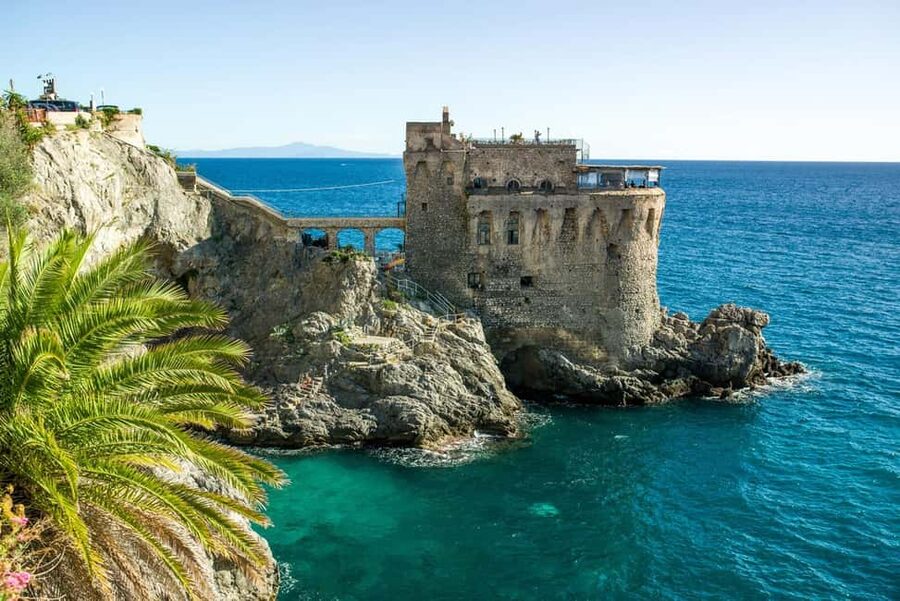
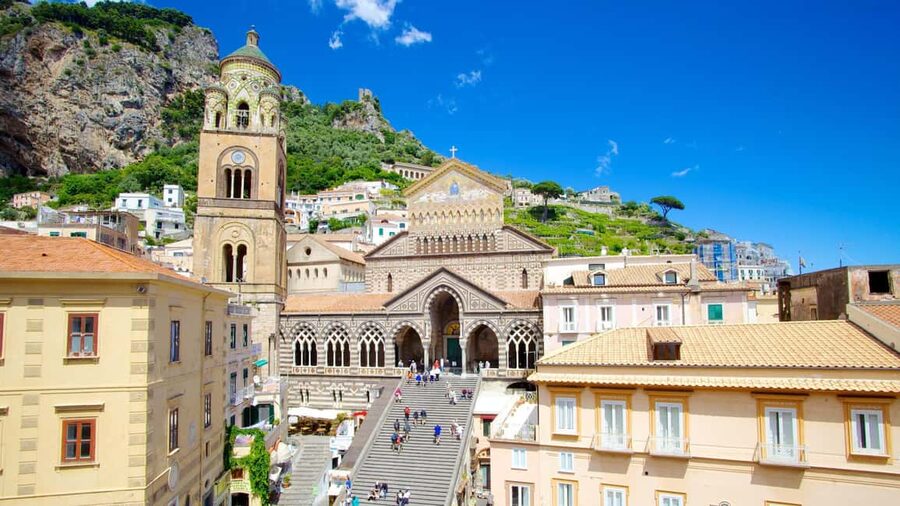
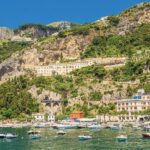
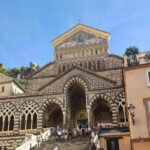
Once you reach Amalfi, you get free time to explore on your own pace. The town is described as charming and lively, and the whole point of the stop is to let you experience Amalfi without turning it into a timed museum tour.
That freedom is valuable. Amalfi rewards wandering—small streets, sea-facing corners, and the kind of views you notice only when you slow down. With free time, you can choose your own rhythm: scenic photos now, shopping later, or just sitting for a moment while you plan your next move.
The drawback is that Amalfi stop duration can feel short if ferry timing runs behind. When delays stack up, you may find yourself doing more “quick loops” than relaxed strolling. It’s not that Amalfi isn’t worth it. It’s that this day’s schedule is a chain, and each link affects the next.
Practical tip: decide on one or two “must-do” moments in Amalfi—like a viewpoint walk or a relaxed break—then let everything else be bonus. That way, even if time tightens, you still come away satisfied.
Positano Leisure Time: Views Plus Street-Level Decisions
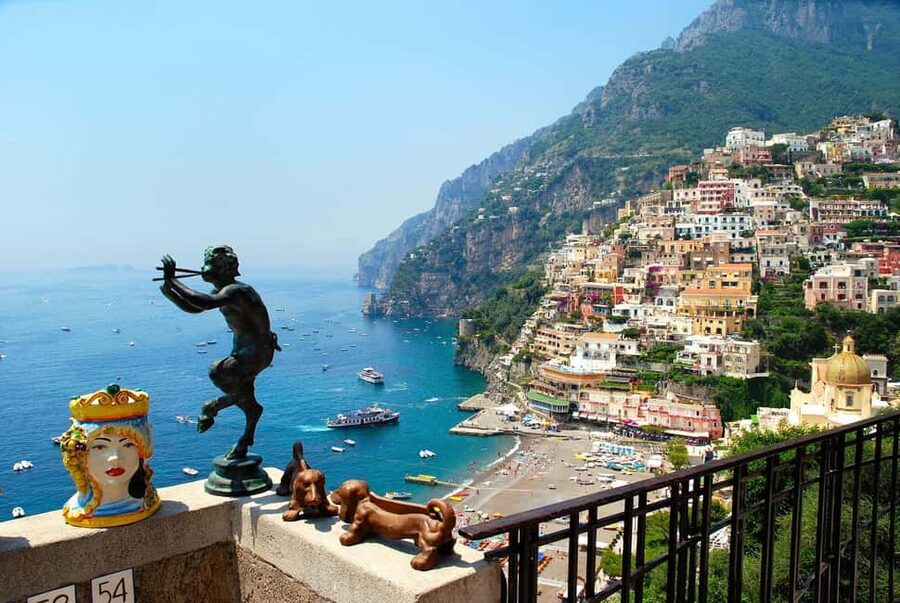
After Amalfi, the ferry brings you to Positano, where you also get additional leisure time. This stop is the other half of the Amalfi Coast postcard, with colorful street scenes and coastal views that feel like they’re always right there, even when you turn a corner.
Positano is also where you’ll likely notice how quickly costs climb. One practical warning that came up: boutique pricing can be dramatically higher than in Naples, sometimes to the point where you’ll want to check tags before assuming standard tourist pricing. If shopping is part of your plan, set a rough budget early and treat the first storefronts as information, not destiny.
Another practical reality: the longer you stay near the waterfront viewpoints, the easier it is to lose track of time heading back toward the harbor area. And if the ferry departs earlier than expected on the return leg (which has happened), being too far away can turn into stress.
Practical tip: keep an eye on time markers and make a “return point” decision. For example, pick the direction you’ll go when you hear the first reminders about departure. Don’t plan to wander “just a bit longer” at the end.
Back in Salerno: A Worthwhile Reset (If You Use It)
After Positano, you sail back to Salerno, and then you use free time to enjoy the city before boarding the train back to Naples. This is a smart break in the schedule because it’s not just another quick stop. You can reset with a stroll and grab a coffee.
One useful way to think about Salerno: it’s bigger than the port area suggests. The main tourist focus can be concentrated near the harbor, with the historic center and shopping streets pulling you inward from there. If your plan is to see the “classic highlights,” you’ll likely want to aim for a compact walking route that starts near where you dock.
You’ll have a chance to stroll through the historic center or take a relaxing coffee break. That small, simple flexibility is exactly why Salerno works well as a buffer after two boat legs and two towns.
The caution: if ferry delays earlier in the day cut into this portion, the Salerno time can feel too short for a longer sightseeing circuit. You won’t regret stepping away for coffee, though. Even when you don’t hit every corner, a sit-down break keeps the day from becoming a blur.
Practical tip: use Salerno for grounding. Eat something simple, refill water if needed, and take a minute to confirm you’re aligned with where your train departs.



Timing, Weather, and the Art of Not Missing the Boat
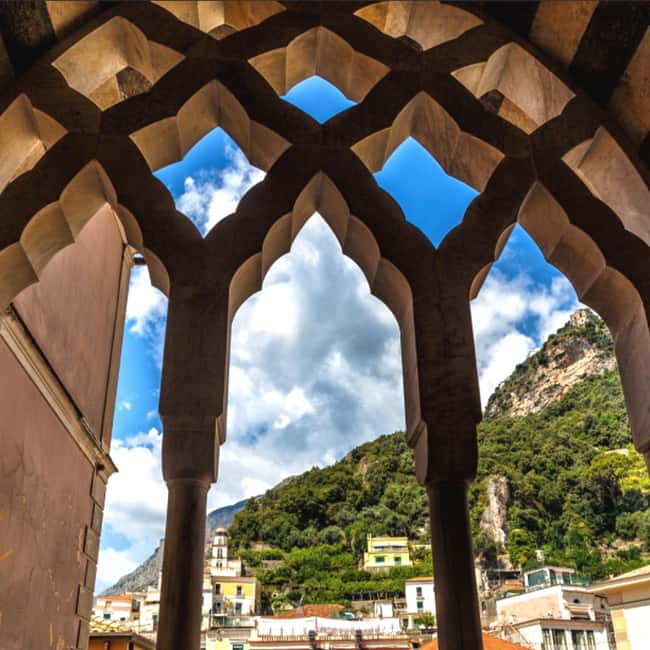
The Amalfi Coast is beautiful, but it’s also coastal. That means weather can change the day. The tour’s overall structure depends on transport links cooperating, and when they don’t, you feel it immediately because the schedule doesn’t have large gaps.
Here’s the pattern that matters most for your planning:
- Ferry delays can reduce your onshore time at both Amalfi and Positano.
- The return boat can leave with less slack than you’d expect, so last-minute arrivals are risky.
- One disruption can snowball: if one rail or boat connection is impacted, your next connection is the one under pressure.
I recommend treating this day like a “timing-sensitive” itinerary. That doesn’t mean it’s poorly planned—it means your best strategy is to stay close to the group, move efficiently, and avoid long bathroom breaks far from the meeting area.
Practical tip: dress for quick changes. If you feel even slightly overheated on the boat deck, you’ll want a plan to manage temperature while still moving quickly when it’s time to board again.
Smart Digital Guide + Audio: Helpful, But Bring Your Own Readiness
This tour includes an audio guide with languages: English, French, Italian, Spanish, and German. If you like having background info while you walk, that’s a nice perk. Having the languages covered widely also helps if you’re traveling with someone who doesn’t want to rely on an English-only guide.
Still, there’s a caveat. Some experiences describe the audio guide as lacking substance or feeling tied to an external link rather than giving you a fully loaded experience. Another detail that showed up: documentation can be limited, so you may not feel fully prepared unless you do a little pre-thinking.
So here’s how I’d use it in a practical way:
- Use the audio guide as a “prompt,” not as the only source of context.
- Keep your phone charged, since you’ll likely lean on it for maps and quick info.
- Bring curiosity. Even basic narration can help you notice what you’d otherwise skip.
If you’re the type who likes to understand what you’re seeing—then you’ll get more out of the audio guide. If you expect a lot of deep commentary, you might want a backup plan with your own quick reading or offline map saves.
Value: What You’re Really Paying For
Even without a listed price here, you can still judge value based on what’s included. This day trip bundles a lot of the expensive friction out of the equation:
- Roundtrip train between Naples and Salerno
- Ferries along the Amalfi Coast route
- Time in Amalfi and Positano on your own
- A concierge meet-and-greet with instructions, tickets, and a map
- An audio guide in multiple languages
- A set duration of about 11 hours
That’s real value when you don’t want to figure out schedules from scratch or coordinate transport yourself. You’re also buying convenience: getting from Napoli Centrale to the correct port and then hopping between towns with less guesswork.
On the other hand, value depends on whether timing cooperates. If ferries are late or if your stops get cut short, the trip can start to feel pricey for what you actually manage to see. That’s why it pays to go into this day with a flexible mindset.
Practical tip: compare it to the cost of doing this yourself with trains, ferries, and logistics stress. If you want low mental overhead, this is often the better deal.
Who This Amalfi Coast Day Trip Fits Best
This tour is a strong match if you:
- Want a car-free Amalfi Coast day
- Like the idea of using the ferry as transportation with scenic payoff
- Prefer structured logistics with time to roam
- Value multi-language support via an audio guide
It’s also marked as wheelchair accessible, which is a key detail if you rely on accessibility accommodations and don’t want to craft your own transport plan.
If you’re the type who hates any chance of delays and wants long, slow sightseeing in each town, you might feel squeezed on this itinerary. But if you can handle a tighter schedule in exchange for doing more with less hassle, this route is one of the practical ways to cover the coastline in a single day.
Should You Book This Tour?
I’d book this Amalfi Coast by Train & Ferry tour if you want the most efficient day plan that still includes real time in Amalfi and Positano, plus the convenience of a concierge and included tickets. It’s especially appealing if you’d rather spend time looking at the coast than reading transport schedules all morning.
I’d think twice if you’re the kind of traveler who needs lots of buffer time or who gets stressed when boats run late. In that case, the itinerary’s timing sensitivity can feel like a tax.
If you go, go smart: arrive early, keep close to the boarding flow, and treat your free time as something you protect. Do that, and you’ll get the best part of the Amalfi Coast—the part where sea views and cliff towns turn travel into the highlight.
FAQ
How long is the tour?
The duration is listed as 11 hours. Starting times vary, so you’ll need to check availability for the exact slot.
What route does the tour follow?
You travel by train from Naples to Salerno, then you take a ferry to the Amalfi Coast towns of Amalfi and Positano. After that, you sail back to Salerno and return by train to Naples.
Where is the meeting point?
The meeting point may vary depending on the option booked. A reference coordinate is provided: 41.90128707885742, 12.501575469970703.
How do you get from Salerno station to the port?
After you arrive in Salerno by train, you walk about 500 meters to reach the port area at Porto Concordia.
Are Amalfi and Positano included with time to explore?
Yes. The plan includes free time to explore Amalfi at your own pace, and then additional leisure time in Positano after re-boarding the boat.
Is there free time in Salerno too?
Yes. You have free time in Salerno for a stroll through the historic center or a relaxing coffee break.
What languages are available for the audio guide?
The audio guide is included in English, French, Italian, Spanish, and German.
What languages does the host or greeter speak?
The host or greeter is listed as English and Italian.
Is this tour wheelchair accessible?
Yes, it is marked as wheelchair accessible.
What is the cancellation policy?
The activity is non-refundable.