REVIEW · HIROSHIMA
Hiroshima and Miyajima Day Trip with Itsukushima Shrine & Ferry
Book on Viator →Operated by Amigo Tours Japan · Bookable on Viator
Miyajima looks like a postcard, then history hits hard. This day trip solves the logistics between Hiroshima and Miyajima with a bus + ferry plan, and it bundles the key paid pieces—Itsukushima Shrine entry and your ferry—so you’re not juggling tickets all day. I also like that you can choose an option that focuses on Miyajima alone, skipping the Peace Park if you want a lighter day. One thing to consider: the format is bilingual (English and Spanish), and a couple of people noted that hearing the guide can be tricky if you’re not near the front.
What makes this tour work is the pacing you get for a tight 8 hours. You get enough time on Miyajima to enjoy the shrine area and the island atmosphere, then you head back for the Hiroshima Peace Memorial Park and the Atomic Bomb Dome area. The price is also surprisingly fair for what’s included, especially if you’d otherwise have to buy the ferry and shrine admission.
Still, Hiroshima deserves more than a rushed stop, and some visitors felt the museum time wasn’t long enough. If you’re a museum-first type, you’ll want to go in knowing you may need extra time on your own later.
In This Review
- Key things to know before you go
- Price and value: what $45 buys you (and why it matters)
- Getting to Miyajima without transit stress: how the day flows
- Where people can feel rushed
- Where to meet: Hiroshima Station meeting points for each option
- If you include Hiroshima + Miyajima
- If you do Miyajima only
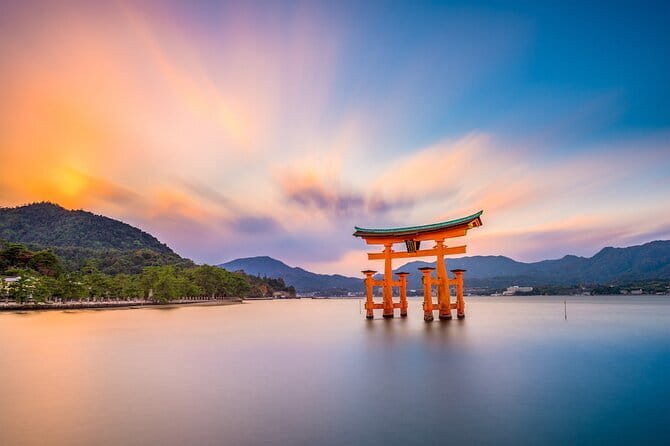
- Itsukushima Shrine and the floating torii: the moment you came for
- The deer factor (yes, they’re there)
- Miyajima island time: what to do with your 3 hours
- A practical drawback: hearing your guide
- Hiroshima Peace Memorial Park: how the tour balances meaning and schedule
- Considerations if you love museums
- Group size, bilingual guiding, and what to expect from the sound
- Guide names you might run into
- Weather and the ferry day: when plans hold, when they change
- Who this tour is best for (and who should DIY)
- Should you book the Hiroshima and Miyajima day trip?
- FAQ
- FAQ
- How long is the Hiroshima and Miyajima day trip?
- What is included in the price?
- Is Hiroshima Peace Memorial Park admission included?
- Can I choose to visit only Miyajima and skip the Peace Park?
- Where do I meet if I select the Hiroshima + Miyajima option?
- Where do I meet if I select the Miyajima-only option?
- What language does the guide speak?
- How many people are in the group?
- What happens if the tour is canceled due to poor weather?
Key things to know before you go
- Ferry + Itsukushima Shrine entry included: a big part of the cost is already handled for you
- Two tour styles: Miyajima-only or Miyajima + Hiroshima Peace Memorial Park
- Small group size (max 30): easier walking and less waiting at key moments
- Bilingual guiding in English and Spanish: useful, but stay close to hear clearly
- 8 hours total: a full day, but not so long you lose everything to transit
- Weather matters: it runs on a ferry, so expect a weather check mindset
Price and value: what $45 buys you (and why it matters)
At $45 per person, the value here is all about what’s bundled. You’re not just paying for a guide. You’re also getting transportation from Hiroshima, the ferry ticket, and entrance to Itsukushima Shrine. That combination is exactly what tends to inflate DIY costs when you’re adding up transit time, ferry tickets, and timed entry expenses.
The Peace Memorial Park side is the one place where costs can be a bit more complicated. The park itself is part of the tour, but it’s listed as not included for admission. In plain terms: plan to spend some time at the park area, but don’t assume every internal museum ticket is covered. If you care about seeing the Hiroshima Peace Memorial Museum in depth, give yourself either extra money or the expectation you may only have limited time with the group schedule.
Also note what’s not included: food and drinks. This is common for Japanese day tours, but it’s worth planning around. Miyajima and Peace Park are busy areas, and you don’t want to waste your best walking time hunting for a quick meal.
You can also read our reviews of more tours and experiences in Hiroshima.
Getting to Miyajima without transit stress: how the day flows
This is built as a low-friction day trip. You start in Hiroshima at Hiroshima Station Shinkansenguchi Hiroba Bus Berth, then you move by bus toward the coast. The schedule in the itinerary shows a first travel stretch of about 50 minutes, then a short transfer segment toward the meeting area for the ferry crossing.
From there, you board a boat for a short ride to Miyajima. That ferry segment is not just transportation—it’s part of the experience. You get water views and a natural break in the day before stepping into a different mood on the island.
After Miyajima, the tour returns to Hiroshima for the Peace Memorial Park segment. The route ends back at Hiroshima Station (Shinkansenguchi side). So if you want to continue your evening in Hiroshima—maybe food, shopping, or just decompressing—you’re not stuck far from transport.
Where people can feel rushed
The day is efficient. That’s good if you’re trying to do both destinations in one go. It can be less great if you’re the type who likes slow museum reading. One critique I saw was that time at the Hiroshima Peace Memorial Museum felt tight for the amount of emotional and historical weight there. If that’s you, consider booking this tour anyway for structure, then plan a separate return trip later for extra time at the museum.
Where to meet: Hiroshima Station meeting points for each option
This tour has two different meeting points depending on which option you choose.
If you include Hiroshima + Miyajima
Meet outside Hiroshima Station Shinkansenguchi Hiroba Bus Berth, between Bus Stops 8 and 9. The instructions say to use the North Exit, go down the stairs, then head to the Shinkansenguchi Bus Berth.
This matters because the station layout is easy to misread when you’re tired. Give yourself a few extra minutes. The tour runs on a schedule and the group needs to board and depart together.
If you do Miyajima only
Meet outside Hiroshima Station Hiroden-Miyajimaguchi Station, with the guide waiting with a sign of Amigo Tours.
If you pick this option, you’re basically telling the tour to become a pure Miyajima day. That can be great if you want more time wandering and less time transitioning back to the city.
Itsukushima Shrine and the floating torii: the moment you came for
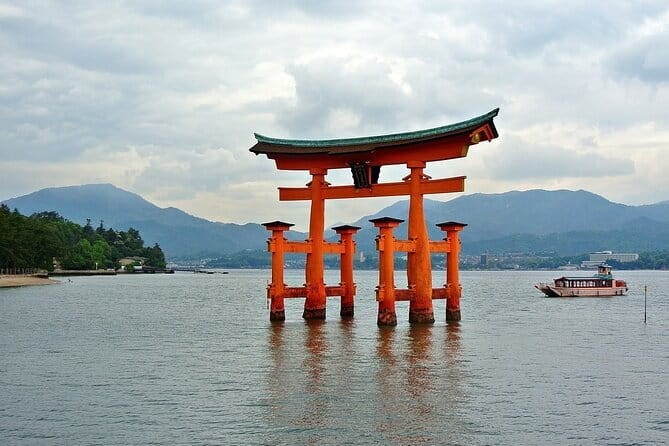
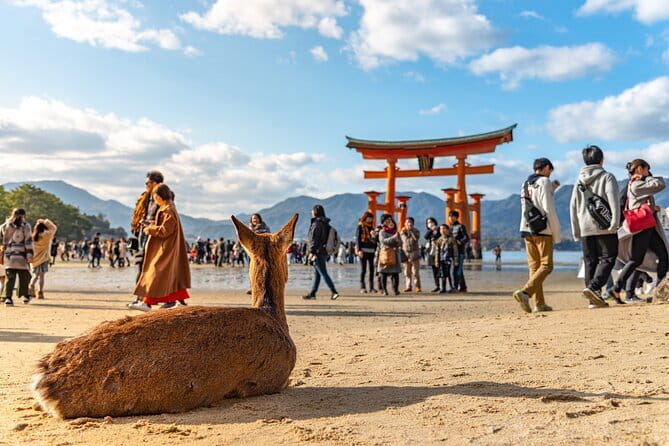
Miyajima is where the tour earns its name. You’re going for Itsukushima Shrine, famous for the floating torii gate view and for the way the shrine sits at the edge of the water. You’ll get time on the island—about 3 hours—which is typically enough to see the main shrine approach, enjoy the coastal atmosphere, and walk a bit without feeling like you’re speed-running.
The tour also includes the shrine entrance fee, which is one less thing for you to handle. Once you arrive, you’ll likely notice that this place isn’t just a photo spot. The vibe is part sanctuary, part island community. The soundscape changes as soon as you leave the ferry and step into the shrine area.
The deer factor (yes, they’re there)
One of the highlights listed is free-roaming deer. That’s not a minor detail. On Miyajima, they’re part of the island’s daily rhythm. You’ll want to watch where you walk and follow any posted guidance. It’s usually easiest when you treat them like you treat a busy street crossing: keep moving carefully, don’t startle, and don’t get so focused on filming that you trip over your own feet.
Miyajima island time: what to do with your 3 hours
Three hours on Miyajima is a real gift if you plan it. Here’s how I’d use it so you don’t end up backtracking or missing the most scenic angles.
1) Start with the shrine approach and torii views
Give yourself time to look from different angles. The waterline and tide-related views are why people come. Even if the sky isn’t perfect, the structure still reads clearly.
2) Add a short wander through the island streets
The tour description points to charming streets, and that’s where you can slow down. Think small shops, local snacks, and quiet lanes rather than a set checklist.
3) Use the deer areas as a timing guide
If the deer are clustered somewhere, that’s often a sign you’re near one of the main walk-through zones. You can follow that flow without needing to consult an app every five minutes.
A practical drawback: hearing your guide
Because this is a guided day, you’ll sometimes be walking faster than you would on your own. A couple of people mentioned the guide was hard to hear when walking ahead. Translation: if you care about the commentary, stay close. If you drift to the back for photos, you may miss names, context, or the little cultural notes that make the day feel less like sightseeing and more like understanding.
One reviewer even suggested that having earpieces would make the experience smoother. Those aren’t listed as included here, so assume you’ll manage sound by positioning yourself well and not lingering too far from the guide.
Hiroshima Peace Memorial Park: how the tour balances meaning and schedule
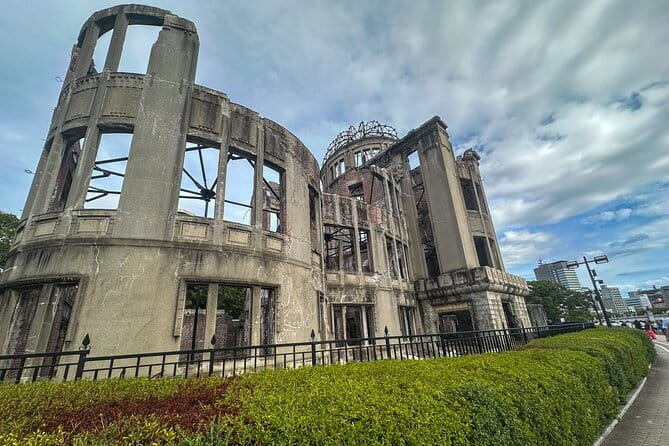
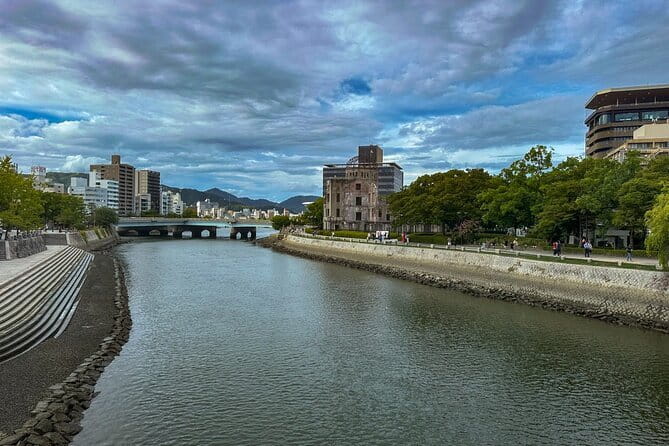
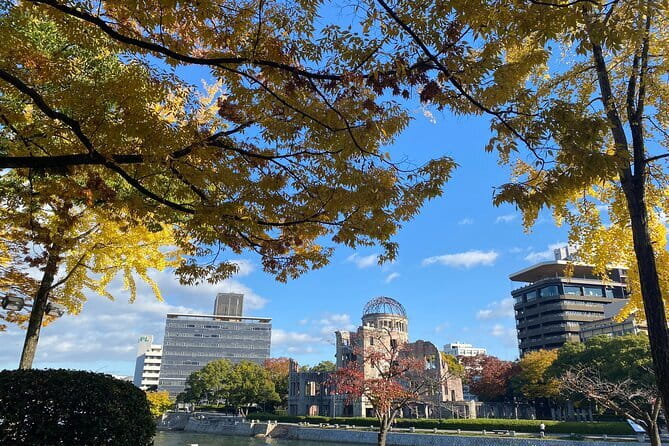
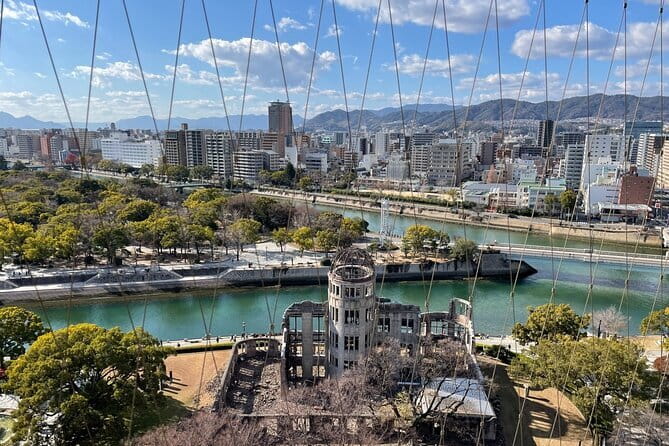
Then you pivot—soft island beauty to heavy real-world history. The Hiroshima Peace Memorial Park stop is built as a 3-hour visit, and it’s where you’ll find the monuments connected to the 1945 nuclear bombing, including the Atomic Bomb Dome area nearby.
This part of the day is not about entertainment. It’s about remembering, learning, and absorbing the messages carved into the memorial space. Even the most casual walk through the park tends to slow people down. It’s one of those places where silence feels appropriate, and the architecture makes it hard to treat the visit like a typical tourist loop.
Considerations if you love museums
If your priority is the Peace Memorial Museum experience, you may want to know the schedule can feel limited. One critique I saw was that 45 minutes felt too short for the museum. The itinerary you have here doesn’t spell out museum-specific timing beyond the overall 3-hour park block, but the theme is clear: don’t assume you’ll have unlimited time inside every building.
A good approach: treat the Peace Park as your anchor visit today, then, if you want deeper museum time, plan a separate visit on another day when you can go at your own pace.
Group size, bilingual guiding, and what to expect from the sound
The tour caps at 30 travelers, which is a sweet spot. It’s large enough to feel social, but small enough that you’re not constantly waiting in a stampede line.
Guiding is bilingual English and Spanish, and some people praised the translation quality and how well guides managed logistics in both locations. At the same time, the bilingual style can create confusion if both languages are spoken too tightly together. One review mentioned difficulty following when English and Spanish weren’t clearly separated. That’s not something you can fully control as a visitor, but you can control your position: stay near the guide, and listen for the pattern the guide uses.
If you’re the type who reads subtitles better than you listen, you might want to take notes on key terms and then check the meaning later at your own pace around the shrine and park.
Guide names you might run into
Some guests specifically called out guides such as Astrid and Alan/Allen for being friendly and organized. You can’t count on the same guide, but it’s a good sign that the tour staff is getting consistent praise for keeping the day moving.
Weather and the ferry day: when plans hold, when they change

This experience requires good weather. Since the Miyajima crossing depends on ferry service, it’s reasonable that poor conditions can disrupt the day.
The good news: if the tour is canceled due to poor weather, you’ll be offered a different date or a full refund. That’s exactly what you want for a ferry-based itinerary.
So my advice is simple: check forecasts a day ahead and again in the morning. If you’re packing, bring a layer. Even on bright days, water-adjacent areas can feel cooler than you expect.
Who this tour is best for (and who should DIY)
This is a strong match for:
- First-timers in Hiroshima who want one easy plan for both Miyajima and the Peace Park
- People who dislike transit puzzles and want the bus + ferry handled
- Travelers who appreciate cultural commentary (as long as you stay close enough to hear)
It may be less ideal for:
- Anyone who wants a long, slow museum experience at Hiroshima without schedule pressure
- People who hate bilingual guiding formats or who need audio clarity from a distance
- Travelers who prefer total freedom to eat whenever and wherever they feel like it
If you’re torn, consider this rule: if you want structure and you’ll accept a guided pace, book it. If you want deep solo time at museums and you’re comfortable designing your own transit plan, you might prefer going independently.
Should you book the Hiroshima and Miyajima day trip?
I’d book this if you want maximum impact with minimum hassle. The ferry + Itsukushima Shrine combo for $45 is a practical deal, and the option to skip the Peace Park lets you tailor the emotional intensity of the day.
Two booking tips that make a difference:
- Choose the Miyajima-only option if you’re sensitive to pacing or you want more wandering time.
- If you’re doing both, be mentally prepared that the Peace Park block is meaningful but may not satisfy a museum deep-dive.
If your goal is a well-organized, culturally informed day that hits both the shrine and the memorial, this tour fits the bill. Just show up on time, stay close to your guide for the best hearing, and plan to snack on your own schedule since food and drinks aren’t included.
FAQ
FAQ
How long is the Hiroshima and Miyajima day trip?
The tour duration is about 8 hours.
What is included in the price?
The tour includes the ferry ticket, entrance fee to Itsukushima Shrine, a bilingual guide in English and Spanish, and transportation from the meeting point. Mobile ticket is also used.
Is Hiroshima Peace Memorial Park admission included?
Hiroshima Peace Memorial Park is listed as admission not included.
Can I choose to visit only Miyajima and skip the Peace Park?
Yes. There is an option to only visit Miyajima and skip the Peace Park.
Where do I meet if I select the Hiroshima + Miyajima option?
Meet outside Hiroshima Station Shinkansenguchi Hiroba Bus Berth, between Bus Stops 8 and 9. The instructions say to use the North Exit, go down the stairs, and head to the Shinkansenguchi Bus Berth.
Where do I meet if I select the Miyajima-only option?
Meet outside Hiroshima Station Hiroden-Miyajimaguchi Station, where the guide will be waiting with a sign of Amigo Tours.
What language does the guide speak?
The guide is bilingual in English and Spanish.
How many people are in the group?
The tour has a maximum of 30 travelers.
What happens if the tour is canceled due to poor weather?
It requires good weather, and if it is canceled due to poor weather, you will be offered a different date or a full refund.