REVIEW · GAMBIA
Gambia to Senegal Tour with Ferry Crossing and Safari Park
Book on Viator →Operated by Maca Jobe Kunda Tours · Bookable on Viator
Africa starts with a ferry. Then it turns into safari.
This one-day Gambia-to-Senegal trip pairs the daily Banjul-to-Barra ferry crossing with a real Fathala Wildlife Reserve safari block, so you get both local river-life and big-game animals in the same day. I also like that the guide work is front-and-center—especially with border issues—so you are not stuck figuring things out alone. The main drawback to plan for is that the day is long (about 8 to 14 hours) and border timing can affect everything, so you’ll want patience and the right documents.
You’ll start early (7:00 am) and ride in a private vehicle with pickup offered. You also get lunch, bottled water, a ferry ticket, and an English guide, which helps this feel like a “whole day handled” option rather than a DIY headache. For many people, this is an easy yes. The best fit is anyone who wants wild animals fast, but still doesn’t mind a bit of organization at the border.
In This Review
- Key things to know before you go
- From Banjul to Barra: the ferry crossing that feels like local life
- Amdallai border crossings: documents, patience, and getting it done
- Fathala Wildlife Reserve: lions, rhinos, elephants, and a real 5-hour safari block
- Return to the border and back to the Gambia: 2 hours that matter
- Logistics and comfort: a private day that starts at 7:00 am
- Price and value: where $148.72 per person really makes sense
- Who this tour fits best (and who should reconsider)
- Should you book this Gambia to Senegal safari day?
- FAQ
- What time does the tour start?
- How long is the trip?
- Is pickup included?
- What’s included in the price?
- What animals can I expect to see at Fathala Wildlife Reserve?
- What documents do I need for the Senegal border crossing?
- Can I cancel and get a full refund?
Key things to know before you go
- A real ferry crossing, not a quick photo stop: the Banjul-to-Barra route is described as an important daily lifeline.
- Border documentation matters: passport needs at least 6 months left, and you may also need a visa and yellow fever proof.
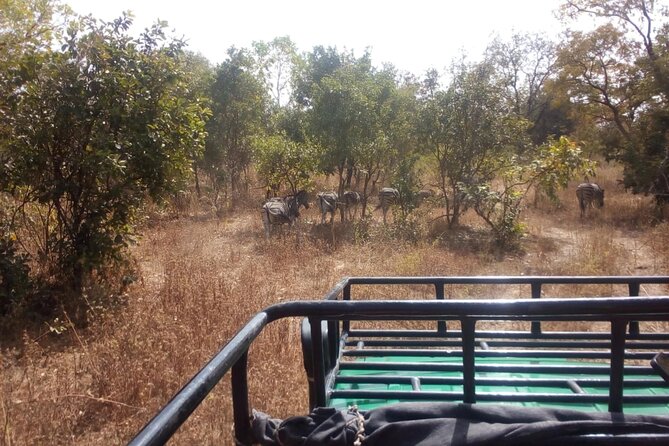
- Fathala gives you a solid safari window: about 5 hours inside the reserve.
- The guide’s help can be the difference-maker: the best days are often the ones where your guide keeps things moving smoothly.
- Bring ferry comfort items: even one review calls for a jumper for the crossing.
From Banjul to Barra: the ferry crossing that feels like local life
The day starts in Banjul, where you’ll take the ferry across to Barra. The route isn’t a tourist shortcut—it’s described as a vital river crossing that supports everyday life and travel in the region. That’s exactly why this part is worth showing up for. It’s one of those moments where you see how people move, work, and trade along the Gambia’s northern water route.
The crossing to Barra takes about 1 hour. While it is straightforward on paper, expect it to feel lively. One review calls it a little chaotic, but the same people also say the guide led the group through the situation without drama. If you’ve ever been herded through a crowded terminal, you already know the real value here: you’ll have someone at your side.
Practical tip: pack for the ferry. One person recommends a jumper because conditions can feel chilly on the water. If you’re traveling with kids, bring small distractions like writing pads or sugar-free sweets, since ferry time can turn into a patience test if you don’t plan ahead.
Amdallai border crossings: documents, patience, and getting it done
Once you reach Amdallai, you cross the border from the Gambia into Senegal. This is where your day can either glide or get stressful—so your goal is to show up ready.
Here’s what you know you need:
- Your passport must be valid for at least 6 months beyond your travel dates.
- A visa may be required, depending on your nationality and the length of your Senegal stay.
- You may be asked to show proof of yellow fever vaccination on arrival in Senegal.
The tour notes tell you to check with a Senegalese embassy or consulate before travel. That’s not busywork. It’s the fastest way to avoid last-minute problems when you are standing in line.
Time-wise, the border portion on the Senegal side is about 2 hours, and then you cross back after safari. That means you should plan for border steps twice in one day. If you get the feeling that this is the true “schedule driver,” you’re reading it right.
The best part? You’re not doing it as a solo traveler. The experience is built around a guide who can help you navigate the process. In at least one account, the guide even supported immigration when guards wouldn’t initially allow a crossing. That kind of calm assistance can save your day.
Practical tip: keep all travel documents in one easy place—passport, and anything you might need for visa and yellow fever proof. Also, avoid delays caused by fumbling bags. You want smooth movements, not a document hunt.
Fathala Wildlife Reserve: lions, rhinos, elephants, and a real 5-hour safari block
Once you’re over the border, the heart of the day kicks in: Fathala Wildlife Reserve in Senegal. You get about 5 hours here, which is a generous chunk for spotting animals and still having time to enjoy the drive around the reserve.
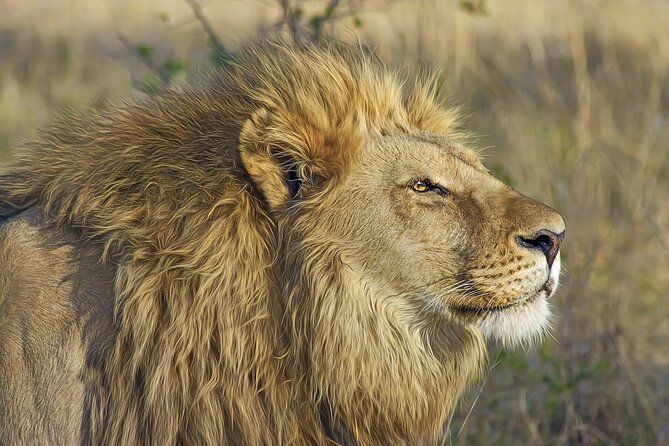
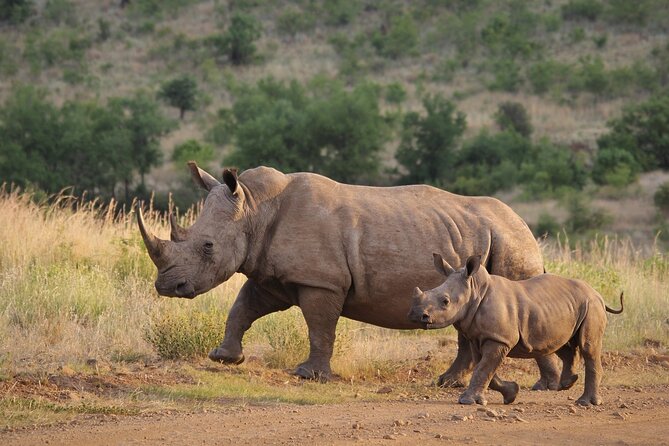
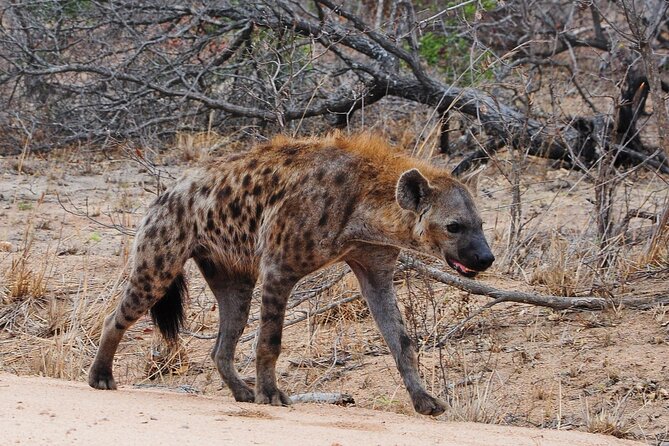
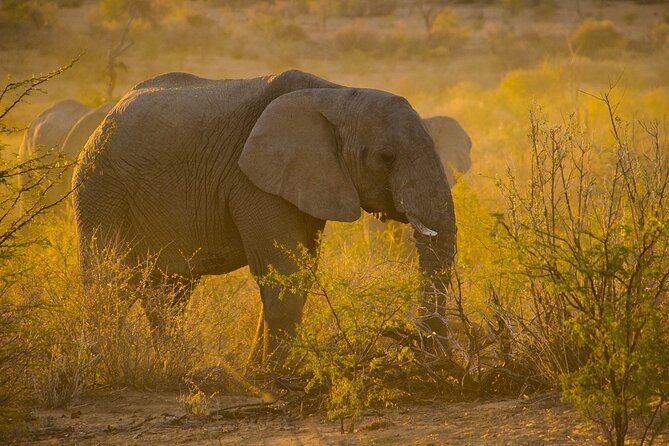
The tour information highlights the big, iconic species you hope for on a safari: lions, rhinos, elephants, and hyenas. That’s the kind of lineup that keeps the safari feeling authentic. You are not just doing a short “see-a-fence-and-go” stop.
And the reserve experience goes beyond generic wildlife viewing. One of the standout moments mentioned is a lion walk, described as unbelievable. Since that type of activity can depend on reserve rules and timing, treat it as a possible bonus rather than a guarantee. But if it’s offered during your visit, it’s exactly the sort of hands-on, once-in-a-lifetime memory that people talk about afterward.
Another praised detail: the driver and guide approach to finding animals. One review mentions patient driving to locate giraffes, and the outcome was that giraffes were seen. That tells you what kind of effort you should expect—if the reserve is holding wildlife that day, the team is likely to try to get you sightings rather than giving up quickly.
What I’d watch for on your side: safari time can feel long in the best way, but you might want simple comfort choices. Wear closed-toe shoes you can stand in, bring sun protection, and be ready for some waiting while vehicles track animal locations.
Return to the border and back to the Gambia: 2 hours that matter
After safari, you head back to the Amdallai border area to cross from Senegal back into the Gambia. Again, plan for about 2 hours of border time. This is the step people sometimes treat like a formality, but you should respect it as a real part of the schedule.
You’ll need the same core documents as before: passport validity and any requirements like visa or yellow fever proof if asked again. The good news is that your guide is already part of the day’s flow, so the team approach remains consistent. That consistency matters more than you think when you’re dealing with changing officials and shifting lines.
Logistics and comfort: a private day that starts at 7:00 am
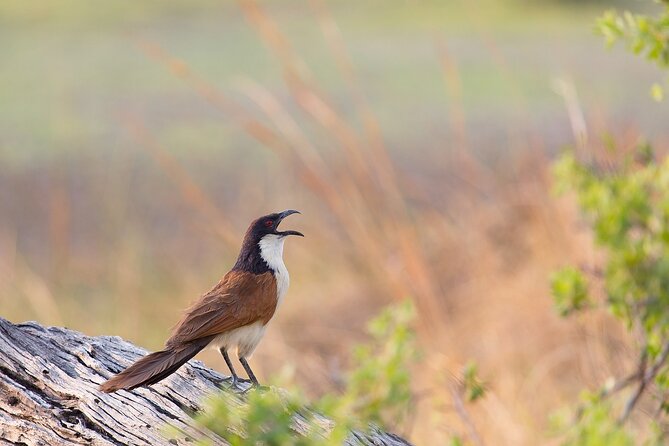
This tour is structured as a private tour/activity, meaning only your group participates. That’s a big deal if you want to move at the pace of your driver and guide, not negotiate around strangers’ bathroom breaks and snack plans.
You’ll also have private transportation and pickup offered, with the start time at 7:00 am. The total duration—about 8 to 14 hours—includes all travel time, ferry crossing, and time spent at the border. In other words: don’t plan your next activity right after. Build in buffer time.
What’s included helps a lot:
- English guide
- Bottled water
- Lunch
- Ferry ticket
- Private transportation
- Admission ticket to the reserve
That bundle is part of why the day works. You’re paying for a full, guided experience where food and basic comfort needs are handled, so you can focus on wildlife and the border process.
One practical note from real-life experience in the day: pickup may depend on how hotels are listed. But there’s reassurance in the details—if your hotel wasn’t on the listed list, a guide still managed pickup on time. So if you message ahead, you’re not likely to get stranded.
Price and value: where $148.72 per person really makes sense
At $148.72 per person, this isn’t a bargain safari. It’s priced like an organized day that includes transportation, ferry access, lunch, and the reserve admission. The value equation gets better when you add up what you would have to arrange yourself in two countries, plus border logistics.
What you’re paying for, in plain terms:
- You don’t have to coordinate a ferry crossing plus two border crossings.
- You’re not trying to translate and navigate paperwork alone.
- You get a guide who can support the process and keep the day moving.
- You get a meaningful safari time block (about 5 hours).
Also, many people book this around 52 days in advance, which hints that it’s popular and can fill. If you want a smoother experience, pick your day and lock it in with enough lead time.
Who this tour fits best (and who should reconsider)
This tour makes the most sense for you if you want:
- A one-day route from the Gambia to Senegal focused on wildlife
- A guided day where someone handles key logistics
- A chance to see big animals at Fathala
- A private group experience with pickup and included lunch
It might be less ideal if:
- You hate long days and early starts
- You’re traveling with very inflexible timing (because border time can’t be controlled)
- You don’t have the right passport validity or vaccination/visa documents ready
If you’re comfortable with a full-day schedule and you want the best chance at memorable wildlife sightings without planning everything yourself, this works.
Should you book this Gambia to Senegal safari day?
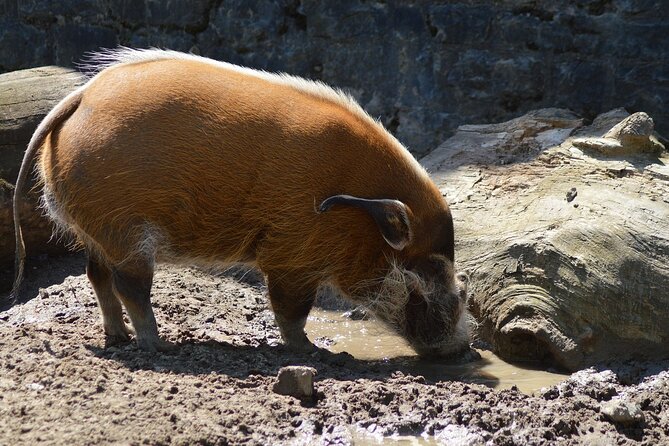
I think you should book it if you want a real “see animals in the wild” day that also gives you a sense of how life moves along the ferry route. The strongest selling points are the safari time (5 hours at Fathala), the included logistics (ferry, lunch, transport, guide), and the repeated emphasis on the guide’s role in getting people through the day smoothly—especially around the border.
Before you go, do the boring-but-critical prep: passport with 6 months validity, check whether you need a visa, and confirm yellow fever requirements for your nationality. Then pack for the ferry with a light layer or jumper. If you do that, you’ll spend the day focused on the part that matters—seeing lions, rhinos, elephants, and more, and possibly experiencing the lion walk if it’s offered.
FAQ
What time does the tour start?
The start time is 7:00 am.
How long is the trip?
The total duration is listed as 8 to 14 hours, including travel time.
Is pickup included?
Yes. Pickup is offered, and the tour uses private transportation.
What’s included in the price?
The tour includes an English guide, private transportation, lunch, bottled water, a ferry ticket, and admission (including the safari reserve admission).
What animals can I expect to see at Fathala Wildlife Reserve?
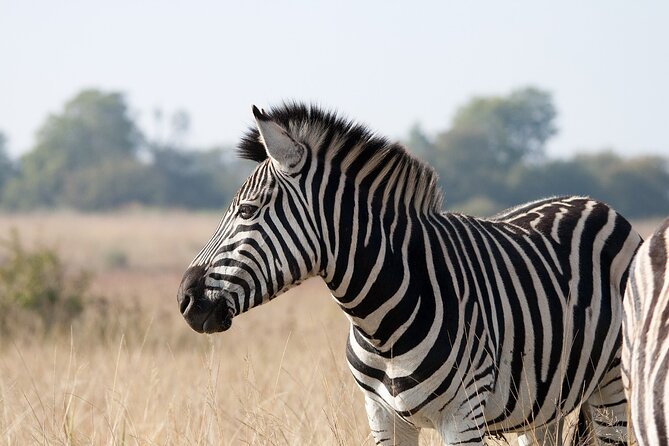
The tour information lists lions, rhinos, elephants, and hyenas, plus more.
What documents do I need for the Senegal border crossing?
You need a passport valid for at least 6 months. You may also need a visa depending on nationality and length of stay, and you may be asked for proof of yellow fever vaccination.
Can I cancel and get a full refund?
Yes. You can cancel up to 24 hours in advance for a full refund. If you cancel less than 24 hours before the experience starts, the amount paid is not refunded.